




Top-rated basement waterproofing pros.

Get matched with top basement waterproofing pros in Curtis, MI

Enter your zip and get matched with up to 5 pros

Find Basement waterproofing pros in Curtis

Avatar for Groundworks
Groundworks
5.0(
32
)

Serving Curtis, MI and surrounding areas

Approved (Corporate)

Super Service Award Winner

In business since 2007

Free estimates

Warranties offered

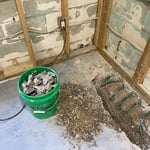
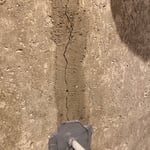
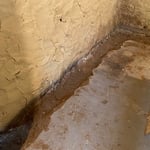
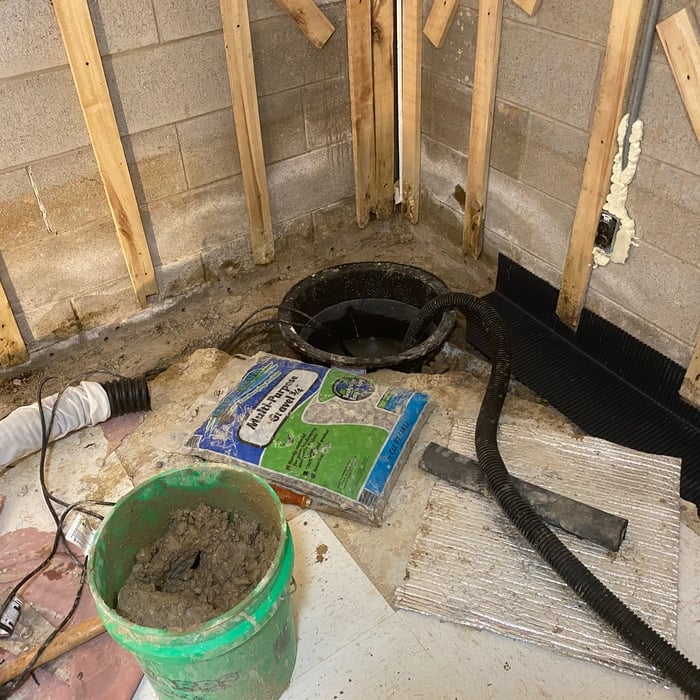
"John and Miles were excellent workers. They were very polite and professional. The job they did supporting my sagging basement wall looks like it should take care of the problem. They placed steel plates against the basement wall, and also buried other ones out in the yard, and connected them with steel rods. Then they torqued them, which should prevent any further sagging of the wall."
Basement
Basement
Basement
Basement
Concrete

+16

139 neighbors recently requested a quote
Recommended by86%of homeowners
Basement Waterproofing questions, answered by experts

Most houses will have vents in the crawl space. This allows for air passage and energy retention, which in many ways can help control the temperature inside the home. If you are able to consider the cost of a crawl space encapsulation, you may not need your crawl space vents at all. 

A crawl space is an area under the house that provides access to plumbing, electrical, heating ducts, and other HVAC units. Its purpose is to create a buffer between the ground and the living area, helping with ventilation, moisture control, and access for maintenance or repairs. Crawl spaces are most often seen in houses in North America which are built on concrete foundations versus other parts of the world where buildings are constructed differently.

Sandbags are the most common and efficient way to create a flood barrier at home. Some local authorities pass them around to homes before the risk of a flood. Otherwise, you can use flood-proof house materials, like burlap or woven plastic bags, to make sandbags and fill them with sand or cat litter. Make sure that when you stack them, they’re tightly laid on top of each other, creating the effect of a firm wall against accumulating water.

In most cases, it is safe to live in a home with minor foundation problems, but you should not let the issues persist. Virtually all foundations have small cracks from normal settlement, which are not a structural concern but should be sealed to prevent water intrusion. However, major damage—such as large structural cracks, sinking foundations, or bulging walls—can make a home unsafe. Other issues that can pose safety and health risks include poor indoor air quality from mold or pests, uneven floors, and rotten beams or joists. It is always best to have a foundation repair expert or structural engineer inspect any issues to determine if your home is safe to live in.

Whether your homeowners insurance covers slab leak repairs depends on your specific policy and the cause of the leak. Many policies cover slab leaks resulting from a covered peril, such as a natural disaster, a falling tree, or pipes freezing and bursting within the slab. However, damage caused by invading tree roots, corrosion, or leaks from appliances may not be covered by a standard policy. It's a good idea to also check your home warranty plan for potential coverage if an appliance is the source. Contact your insurance provider for a full explanation of what your policy covers.

The Curtis, MI homeowners’ guide to basement waterproofing services

From average costs to expert advice, get all the answers you need to get your job done.