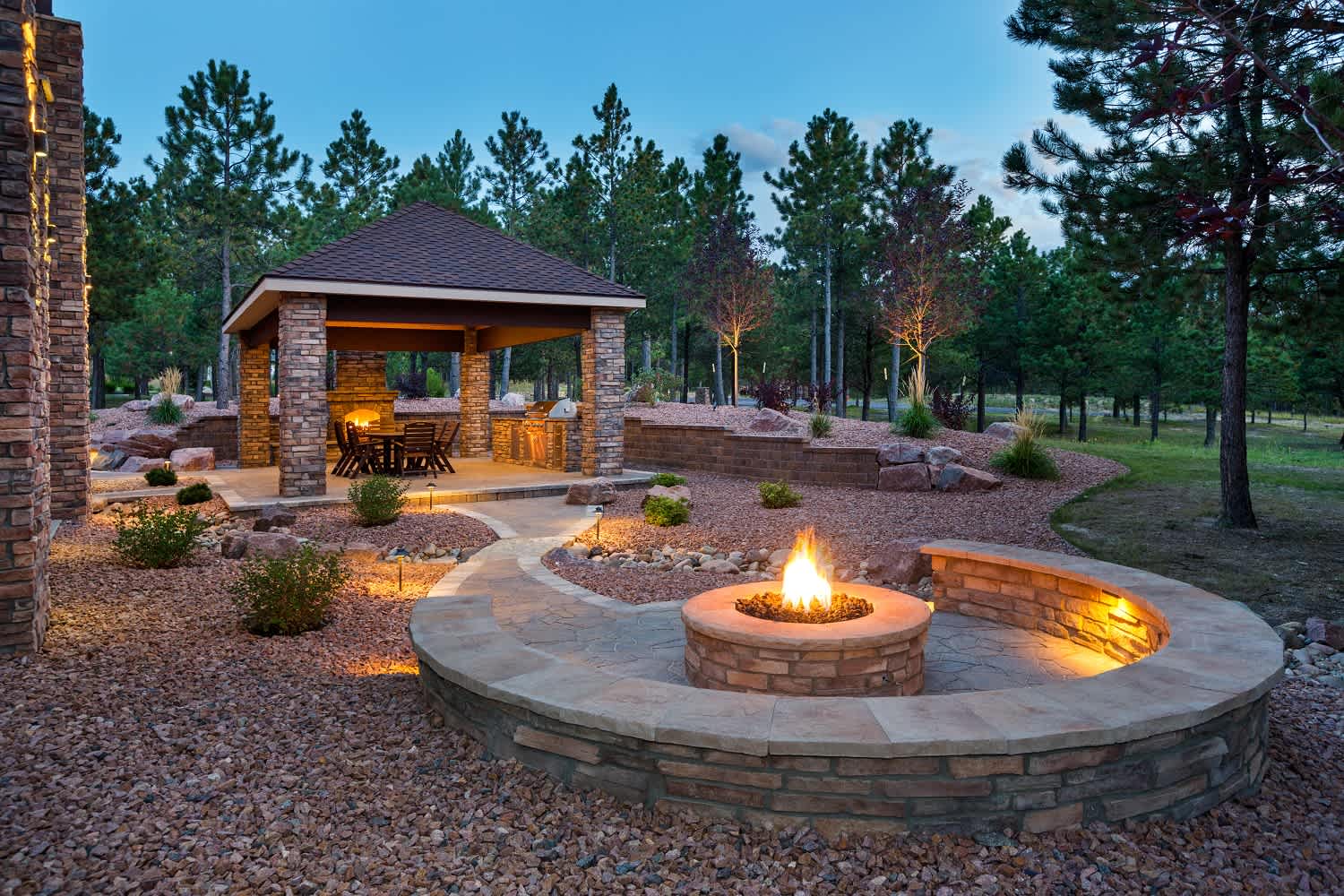




Top-rated fire pit installation pros.

Get matched with top fire pit installation pros in West Bath, ME

Enter your zip and get matched with up to 5 pros

Need a pro for your fire pit installation project in West Bath, ME?

Select your specific project to find the pro for you.

TRUSTED BY WEST BATH, ME HOMEOWNERS

  • Average homeowner rating star icon4.3
    Average homeowner rating
  • Verified reviews icon109
    Verified fire pit installation services reviews

Find Fire pit installation pros in West Bath

Avatar for Doak and Co Contracting
Doak and Co Contracting
New to Angi
Handyman for Multiple Small Projects

Serving West Bath, ME and surrounding areas

Approved

In business since 2023

Free estimates

Small jobs welcome

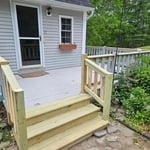
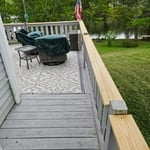
We at Doak and Co Contracting focus on quality services over quantity. We use our experience and expertise to complete your project with perfection. Customer service and honesty are the most important aspects of our business and your satisfaction is guaranteed. Please call us today for an estimate. We look forward to working with you.

Response time10 hrs
...
Showing 1-10 of 112
Fire Pit Installation questions, answered by experts

Generally, an oil furnace is considered safer than a gas furnace for several reasons. While both types of furnaces can produce carbon monoxide, a leak in an oil furnace is easier to detect due to the smell. Oil furnaces also don't connect to a gas pipeline, which reduces the chance of a fuel leak. Most importantly, heating oil is not combustible, whereas natural gas is highly flammable. This means there is a much lower risk of combustion or explosion with an oil furnace. However, an oil furnace can still pose a fire hazard if it tips over.

The National Fire Protection Association (NFPA) says you can place smoke detectors on either the ceiling or the wall, depending on the setup of your room. Since smoke rises, the ceiling makes sense, but if you go with a wall mounting, the alarm should be installed high up—no less than 12 inches from the ceiling. 

Depending on who’s doing the estimating, about 22,000 to 25,000 chimney fires happen each year in the United States. Given the fact that millions of Americans have fireplaces (and chimneys), that means chimney fires aren’t exactly common—but they’re not rare, either. Since they’re so dangerous, it’s important to take precautions to prevent them.

No, you should never leave a fireplace burning overnight or unattended during the day. While fireplaces are made to contain fires, fires can and do spread from fireplaces, so it’s crucial that you’re there to monitor them and put them out if needed. If you’re worried about putting out a fire before bed, stop feeding it fuel long before bedtime and actively put out the fire using your poker, a shovel, and some baking soda.

In some cases, you can use a fireplace once the insert has been removed. However, before burning a fire, you must have a professional inspect it and the chimney to make sure they're functioning properly and no damage has occurred from removing the insert. That’s because using a fireplace without an insert could create fire hazards due to issues with airflow and heat dispersion, depending on the fireplace design and material. A professional can advise on whether you should make certain repairs or modifications before using your fireplace as an open hearth.

The West Bath, ME homeowners’ guide to fire pit installation services

From average costs to expert advice, get all the answers you need to get your job done.