



Top-rated drywall pros.

Get matched with top drywall pros in Oxford, ME

Enter your zip and get matched with up to 5 pros

Need a pro for your drywall service project in Oxford, ME?

Select your specific project to find the pro for you.

TRUSTED BY OXFORD, ME HOMEOWNERS

  • Average homeowner rating star icon4.3
    Average homeowner rating
  • Verified reviews icon31
    Verified drywall services reviews

Find Drywall pros in Oxford

Avatar for Innovative Construction
Innovative Construction
3.7(
32
)
Drywall - InstallDrywall - Repair

Serving Oxford, ME and surrounding areas

Approved

In business since 2015

Free estimates

Emergency services offered

"What I found outstanding was the excellent communication from Greg about my project at all stages, from the first meeting, through the repair process, to the completion. I always knew what to expect from the day-to-day work and I felt he and I were on the same page. My facia board, gable board, removal of moss on my roof and door replacement was accomplished safely and thoughtfully by his competent crew. I would recommend this company to anyone as I feel they are very trustworthy, and I hope to use them again for my next project"
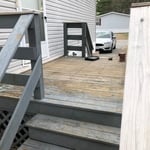
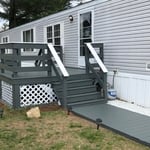
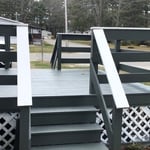
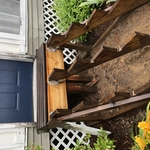
Before
Deck Repair
Deck Repair
Before
MIDWAY

+9

Response time3 days
3 neighbors recently requested a quote
Recommended by45%of homeowners
Avatar for Doak and Co Contracting
Doak and Co Contracting
New to Angi
Drywall - InstallDrywall - Install - For BusinessDrywall - Repair+1 more

Serving Oxford, ME and surrounding areas

Approved

In business since 2023

Free estimates

Small jobs welcome

We at Doak and Co Contracting focus on quality services over quantity. We use our experience and expertise to complete your project with perfection. Customer service and honesty are the most important aspects of our business and your satisfaction is guaranteed. Please call us today for an estimate. We look forward to working with you.

Response time10 hrs
...
Showing 1-10 of 115
Drywall questions, answered by experts

Yes, you can install drywall over plaster, but there are important factors to consider. While it can create a smooth, flat surface, it is often not the best approach. Installing drywall over plaster will increase the wall's thickness, which can cause issues with existing window and door frames that may no longer fit. You might also need to adjust power outlets to keep them accessible. A better, though more expensive, option is to remove the old plaster and lath entirely before installing new drywall. Drywalling directly over plaster seals in the old material, and if any problems arise later, you will need to remove both layers down to the structural beams for repairs. Given the potential complications, this job is best handled by professionals.

Knowing what causes drywall damage can help stop it before it starts. Here are some of the most common causes of drywall damage: 

  • Water damage from roof leaks or leaky pipes. 

  • Small holes caused by doorknobs, minor accidents, and rodent infestations. 

  • Wall dents stemming from moving furniture and minor accidents. 

  • Wall cracks that form from a settling foundation or seismic activity. 

  • Nail pops from nails and screws in the walls. 

  • Large holes that are caused by accidents with heavy objects, children and pets, or sporting equipment.

A common cause of separation between a wall and the ceiling is truss lift—this can happen to the ceiling of rooms directly under the attic when the seasons change and wood building materials dry out, shrink, and shift. Roof trusses often dry out at different speeds, and if the bottom pieces dry out faster than the top pieces, they can shrink and pull the attached drywall away from ceilings and walls, causing cracks. Fortunately, truss lift is only a cosmetic problem, not a structural problem, and you can fix it by separating the ceiling drywall from the roof trusses, and patching the cracks.

While not always necessary, you can glue a drywall ceiling in addition to using screws or nails. Drywall is typically secured to ceiling joists with fasteners, which is often sufficient. However, adding construction adhesive can offer benefits like preventing sagging, bridging gaps, and reducing air leaks for better energy efficiency. It may also be used for specific acoustic or insulation needs. On the other hand, many professionals advise against it because properly placed screws make the drywall structural, glue doesn't add strength, and it makes future repairs or replacements significantly more difficult. Ultimately, it's best to follow local building codes and project-specific requirements to decide if adhesive is right for your ceiling.

Although they have similar applications, spackle and joint compound are not the same. Their primary differences lie in their composition, consistency, and ideal use cases.

Spackle is composed of gypsum and binding agents, making it thicker than joint compound. It dries quickly and is easy to sand, which makes it ideal for small wall repair projects like filling nail holes or patching minor damage.

Joint compound, also known as drywall mud, consists of limestone and gypsum. It is primarily used for large-scale projects, such as taping and finishing the seams on newly installed drywall. It tends to shrink more than spackle and can be more difficult to spread.

While both products can be used to fill small depressions and cracks, spackle cannot replace joint compound for taping and mudding new drywall. Conversely, you can often use joint compound for small patching jobs typically done with spackle.

The Oxford, ME homeowners’ guide to drywall services

From average costs to expert advice, get all the answers you need to get your job done.