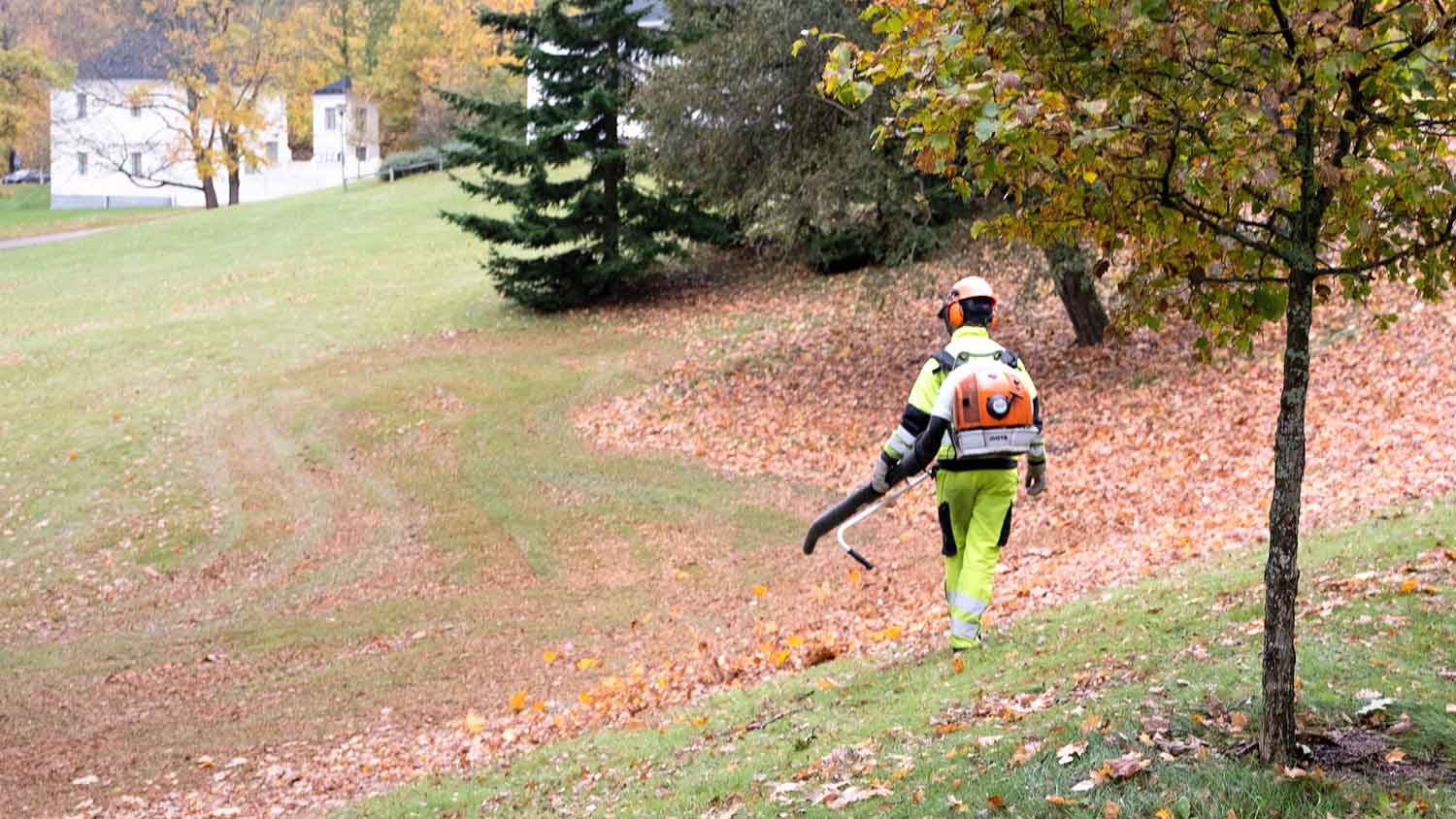
Top-rated leaf removal pros.

Best leaf removal pros near Oxford, ME

Enter your zip and get matched with up to 5 pros

Need a pro for your leaf removal project in Oxford, ME?

Select your specific project to find the pro for you.

TRUSTED BY OXFORD, ME HOMEOWNERS

  • Average homeowner rating star icon4.4
    Average homeowner rating
  • Verified reviews icon17
    Verified leaf removal services reviews

Top-Rated Leaf removal pros in Oxford - Updated Nov 2026

Avatar for M&W Removal Co.
M&W Removal Co.
5.0(
7
)
Waste, Junk, Building Materials and Debris - Remove and Haul

Serving Oxford, ME and surrounding areas

Approved

In business since 2024

Free estimates

Small jobs welcome

"Tony and Levi negotiated an arrival time, which they kept to promptly. They did the removal we requested efficiently and exactly as we discussed, and their estimate was fair. We highly recommend this removal service!"
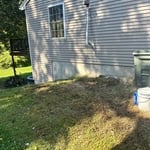
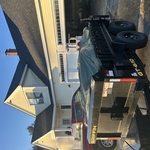
After: Cleared Yard
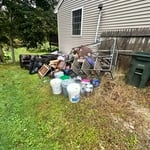
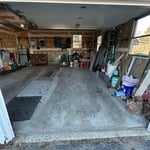
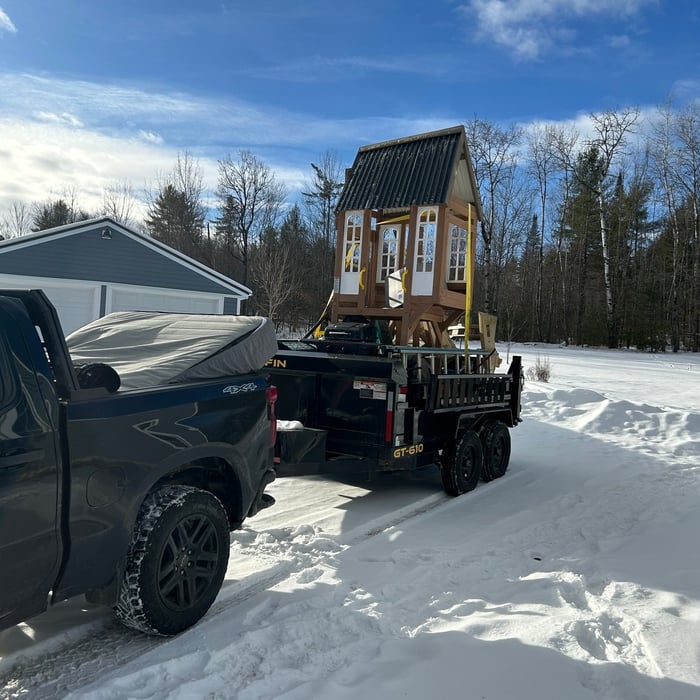
Before: Yard Junk
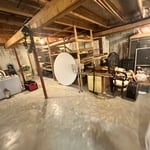
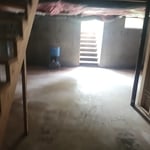
Before: Basement
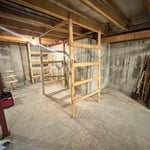
After: Basement
10 neighbors recently requested a quote
Avatar for David J Boutilier
David J Boutilier
5.0(
7
)
Lawn & Yard Waste Clean Up

Serving Oxford, ME and surrounding areas

Approved

In business since 2016

Free estimates

Offers commercial services

"Excellent job! Dave was the first to quote the job and had a better price. He came with crew on time and finished everything I'd requested in one full day as quoted! The work involved extensive tree and brush removal as well as trimming branches to open up view corridors. I wholeheartedly recommend Dave. If he quotes you a job, he will deliver."
David J Boutilier
David J Boutilier
David J Boutilier
David J Boutilier
David J Boutilier

+13

13 neighbors recently requested a quote
...
Showing 1-10 of 118
Leaf Removal FAQs, answered by experts

According to the Environmental Protection Agency (EPA), hazardous waste is generally classified into four main categories:

1. Characteristic Wastes: These exhibit at least one of four hazardous traits: ignitability (flammable, like gasoline), corrosivity (can rust or decompose materials, like car batteries), reactivity (unstable and can explode, like aerosol cans), or toxicity (harmful when ingested, like lead-based paint).

2. Listed Wastes: These are specific wastes from manufacturing and industrial processes that the EPA has officially designated as hazardous. They include byproducts from processes that use solvents, pesticides, and other chemicals.

3. Universal Wastes: These are commonly generated hazardous items that are subject to streamlined regulations. Examples include batteries, pesticides, mercury-containing equipment (e.g., bulbs), and some lamps.

4. Mixed Wastes: This category includes waste that contains both hazardous and radioactive components, making it subject to regulation by both the EPA and the Nuclear Regulatory Commission.
You do not have to remove lead paint if the surface is not chipping or peeling or if there are no pregnant people or children under the age of six who live in or regularly visit your home. Lead paint is a particular risk for young children whose brains and bodies are not fully developed. Experts strongly recommend that you call a pro to remove lead paint if it’s peeling or flaking, no matter who lives in the home. You can experience lead poisoning by breathing in or ingesting just a small amount of it.

If your home was built before 1978, there’s a chance that any paint on your hardwood floors could be lead paint—especially if it was already there when you moved in. Because lead is toxic, hiring a licensed pro to remove it is mandatory. The average price for professional lead paint removal ranges from $1,500 to $5,300 and depends on the scope of the project.


Follow recommendations for removal or remediation to ensure a safe living environment.

Lead toxicity comes from inhaling lead or consuming it. Before the 1980s, when the government banned lead from consumer use, it could be found in paint, plumbing, pipes, ceramics, and even gasoline. Lead paint is toxic for the same reason lead itself is toxic, which is why lead poisoning from paint presents the same as lead poisoning from water or food sources, with a slight increase in respiratory symptoms vs. digestive symptoms. Lead paint is most dangerous when it’s old and peeling, cracking, or otherwise disturbed. This increases the concentration in the air and, therefore, in breathable air. 

The Oxford, ME homeowners’ guide to leaf removal services

From average costs to expert advice, get all the answers you need to get your job done.