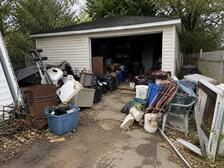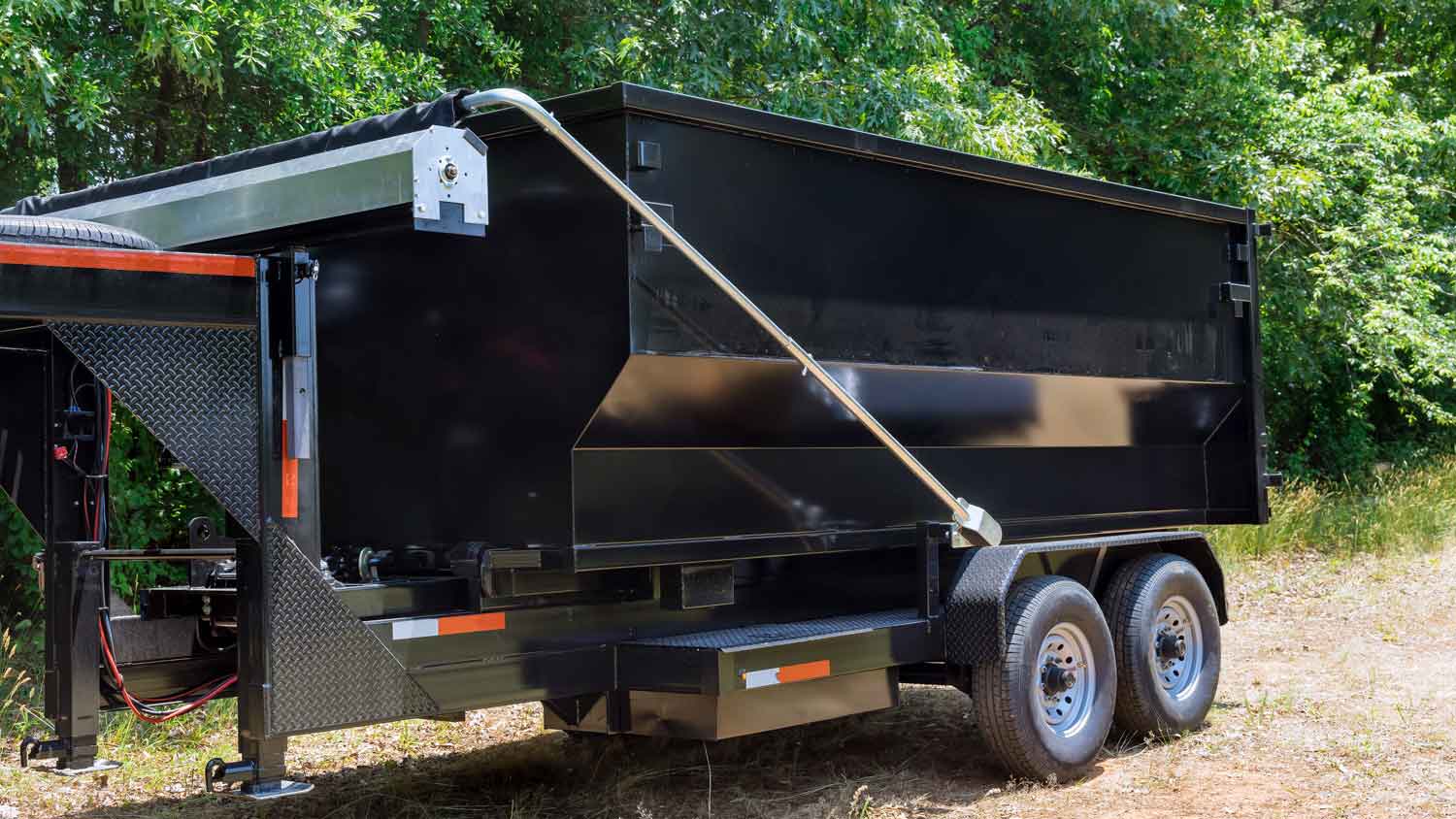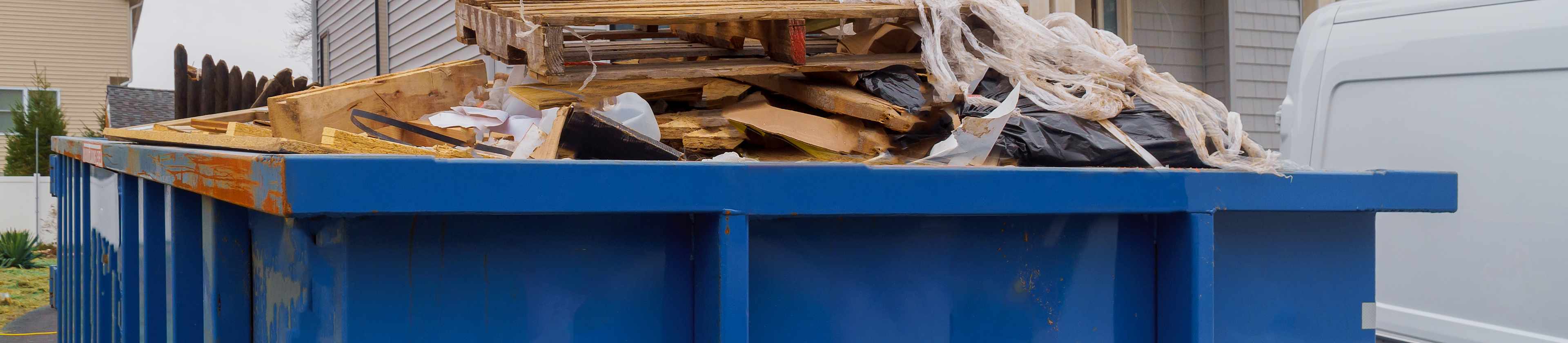


While a rented dumpster can handle a wide variety of materials, there are significant restrictions on what is allowed. Generally, you can dispose of most non-hazardous household junk, yard waste, and construction debris.
Accepted items typically include:
Furniture, carpets, old linens, and toys
Wood and yard debris
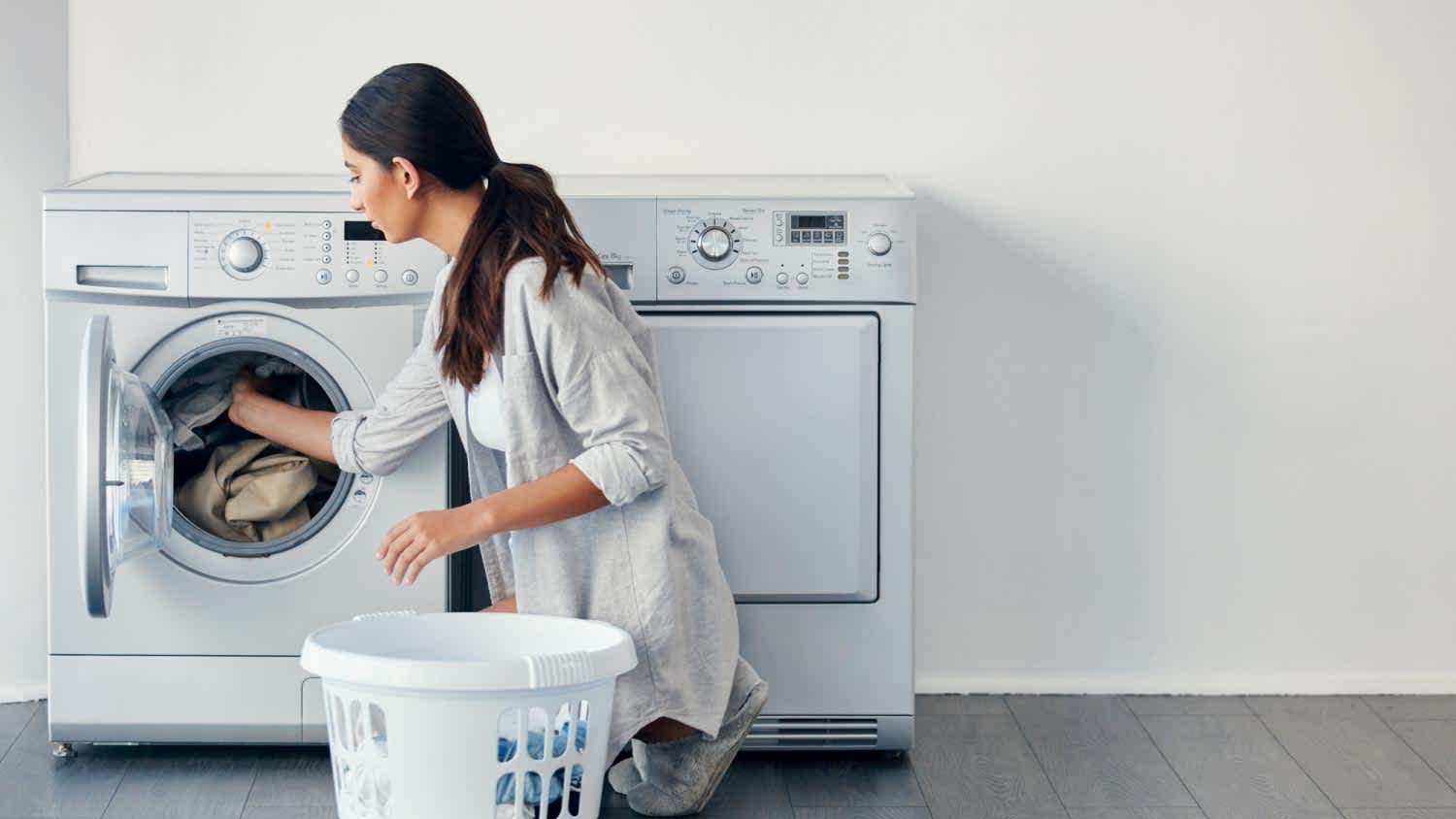
Small appliances and excess trash
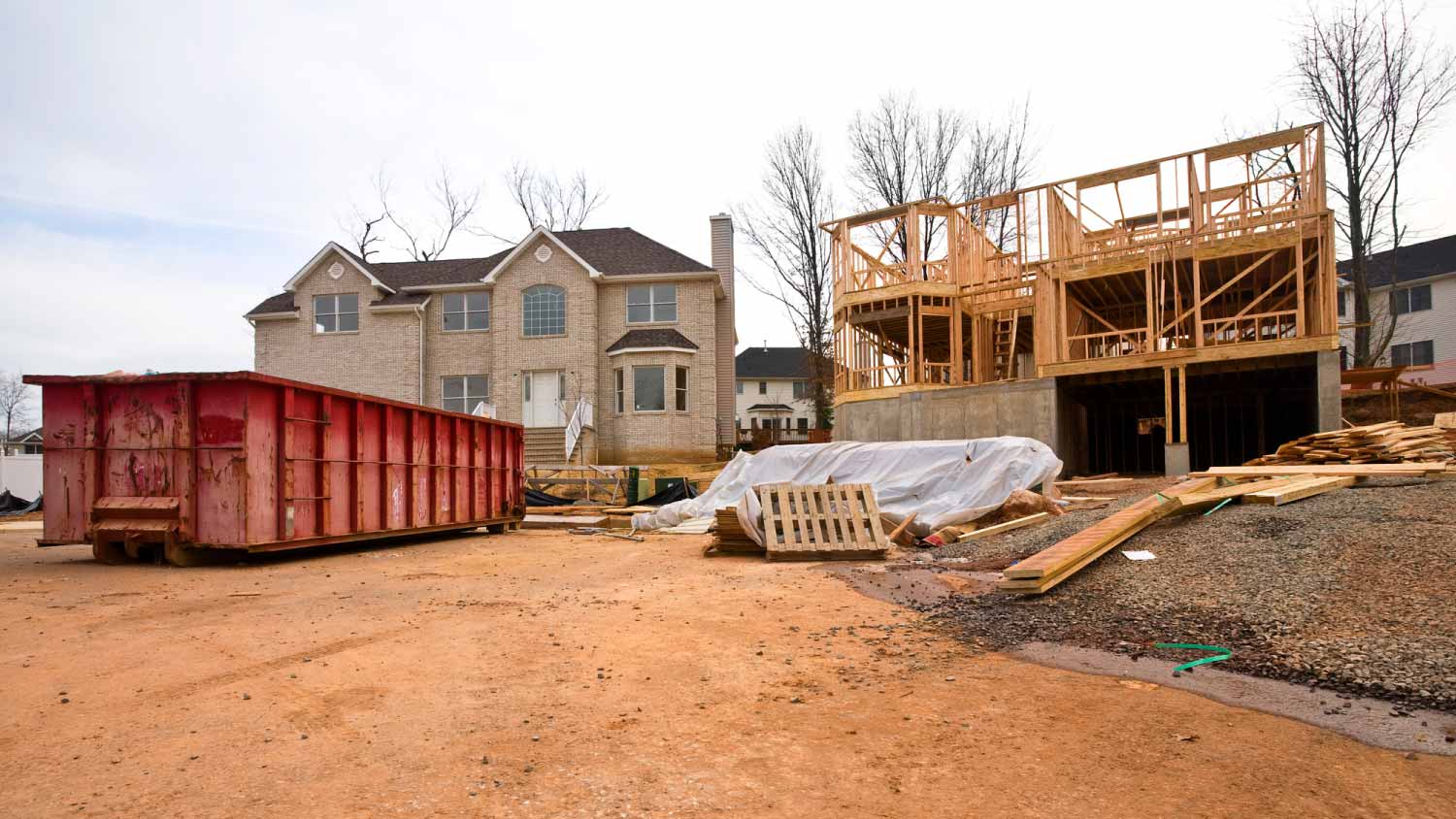
Renovation waste like old finishes, building debris, and roofing materials (unless they contain lead paint or asbestos)
However, you cannot put toxic, flammable, or hazardous materials in a dumpster. Prohibited items almost always include:
Paint, gasoline, oil, and other fuels
Household cleaners and other chemicals
Electronics, batteries, and tires
Refrigerators, hot water tanks, and medical waste
Since regulations can vary by location and company, it is essential to check with your dumpster rental provider for their specific list of accepted and prohibited items before you begin.
The best way to determine the right dumpster size for your project is to speak with a reputable dumpster rental company. Let them know what kind of job you're doing and the types of materials you'll be disposing of. These professionals have experience fitting heavy and bulky items into their dumpsters and can guide you on how to dispose of everything safely and legally. A representative should be able to recommend the best dumpster for your needs. Often, the company will advise you to choose a slightly larger size to help you avoid potential overage charges.
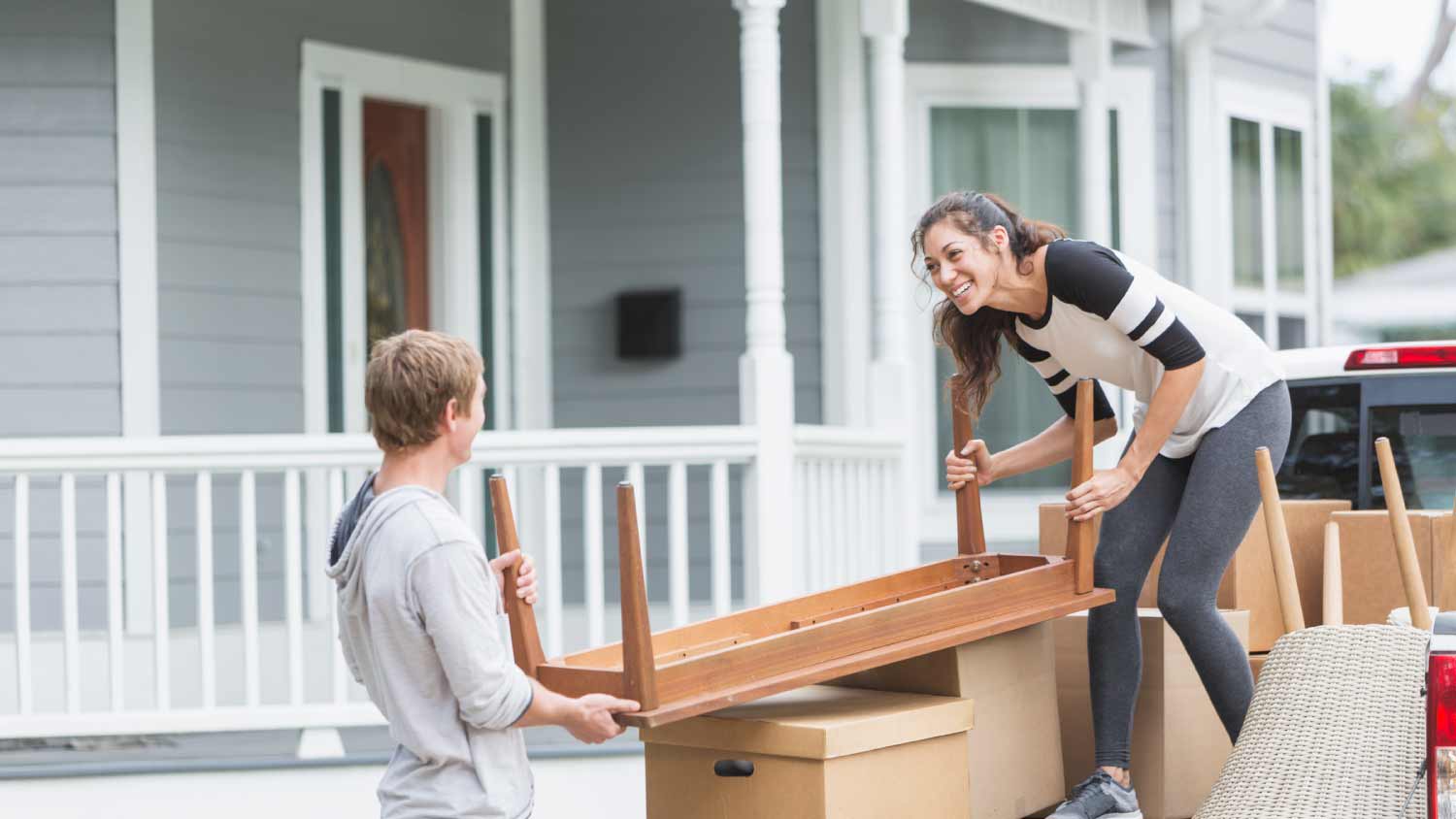
Junk removal usually includes removing unwanted items from your property, loading it into a dumpster or a truck, and then carting the junk off of your property to be disposed of at a dump site. In most cases, your dumping fees—charged by the dump site—are included in your estimate, but you might want to confirm this expense with your junk removal team. Some junk removal companies offer additional services, like a deep clean after junk removal and moving and packing services, in case you’re getting rid of garbage as part of your relocation efforts.
The best waste disposal method depends on the type of waste you have. If your waste is recyclable, recycling is the best option because it helps minimize the environmental impact. Organic waste is best composted or converted into fuel via biogas generation. For many items, landfill or incineration are the best options.
If you have a large area of brush and vegetation to clear, forestry mulching may be the best option. This method works well for relatively flat areas that don’t have many large rocks or mature trees to clear. Forestry mulching is a relatively quick process that improves soil health, reduces fire risk, and leaves behind usable mulch.
The Millinocket, ME homeowners’ guide to hauling services
From average costs to expert advice, get all the answers you need to get your job done.
Discover deep freezer costs, including installation, maintenance, and repair expenses. Learn what impacts pricing and how to save on your next deep freezer.
Explore Murphy bed installation costs, including average prices, key cost factors, and tips to save. Learn what impacts your project budget and make informed decisions.