




Top-rated siding pros.

Best siding pros near Mechanic Falls, ME

Enter your zip and get matched with up to 5 pros

Need a pro for your siding service project in Mechanic Falls, ME?

Select your specific project to find the pro for you.

TRUSTED BY MECHANIC FALLS, ME HOMEOWNERS

  • Average homeowner rating star icon4.8
    Average homeowner rating
  • Verified reviews icon26
    Verified siding services reviews

Top-Rated Siding pros in Mechanic Falls - Updated Nov 2026

...
Showing 1-10 of 156
Siding FAQs, answered by experts

Siding and cladding are two popular exterior wall coverings that protect homes from the elements and provide insulation, but they differ in design and application. Siding is applied directly to a home’s exterior, providing some insulation and basic shielding from the elements. In contrast, cladding is installed indirectly over furring strips, creating a ventilated air gap for enhanced insulation and moisture control.

Yes, you can install siding over stucco, but it's crucial to ensure the stucco is in good condition first. Before proceeding, inspect the stucco for any signs of damage, leaks, or mold growth. If you discover water damage, mold, or have ongoing leak issues, it's recommended to remove the stucco completely. This step prevents future problems like mold and pest infestations and allows a professional to repair or replace any damaged sheathing underneath. If the stucco is sound, the installation process involves attaching furring strips to the wall's framing directly through the stucco. The new siding is then installed onto these furring strips. A professional may also need to adjust window and door openings to prevent them from being recessed behind the new siding, which can cause aesthetic issues and create potential leak points.

The living space of a home doesn’t correlate directly with how many square feet of siding you’ll need, but on average, a 2,000-square-foot home will need 1,700 square feet of siding or 17 squares of siding. Your siding measurements will vary depending on the layout of your home, the number of stories, the size of your doors and windows, and even your roof style.
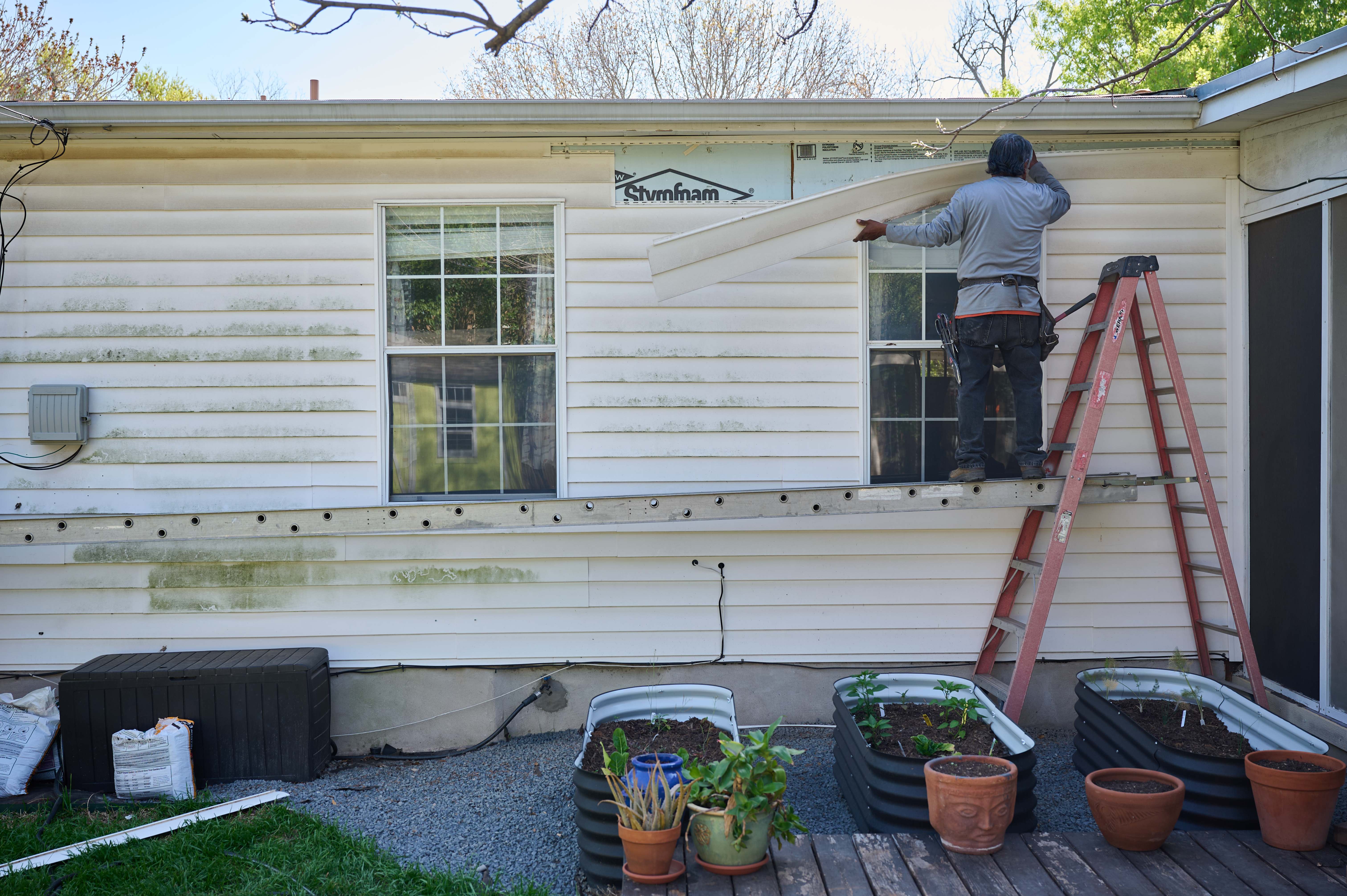
The recommended PSI (pounds per square inch) for cleaning vinyl siding can vary, so it's best to consult the manufacturer's guidelines. Generally, vinyl siding can handle high pressure, from 2,500 to 3,500 PSI. For comparison, more delicate materials like wood and aluminum siding should not face more than 1,500 PSI. To safely disperse the pressure on vinyl, use a tip with a wider spray span, such as a green (25-degree) or yellow (15-degree) nozzle. For routine cleaning of light dirt, a garden hose with a spray nozzle may be sufficient. Always exercise caution to avoid using excessive pressure that could damage the siding.

Brick and stone are the most durable and longest-lasting siding materials, often lasting for 100 years or more with proper maintenance. Copper is another material known to last over 100 years, though it can develop a greenish patina over time. Zinc is a metal siding that can last 80-100 years. While these options are the most expensive, they offer superior value and longevity. For a more affordable yet durable choice, stucco can last 50 to 80 years in dry climates. Fiber cement siding is another excellent middle ground, offering a lifespan of 50 years or more with low maintenance at a lower cost than stone or brick.

The Mechanic Falls, ME homeowners’ guide to siding services

From average costs to expert advice, get all the answers you need to get your job done.