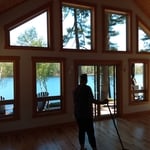
"I contacted Scott Harlow through Angi and I couldnâ t be more pleased with his work. Scott removed the old film on 15 of my sunroom windows and replaced it with new UV and heat retardant film. The windows look fantastic. Not only is Scottâ s work excellent, but he is also very pleasant, prompt and a true expert at his craft. I recommend him highly and without reservation."
"I liked that there was no nonsense. Their salesman was straightforward and the price was fair. We were also impressed with the installers. They installed all the windows in 1 day and they look great. I'm happy I chose them."
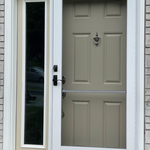
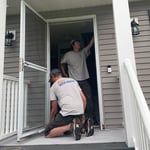
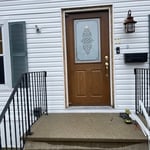
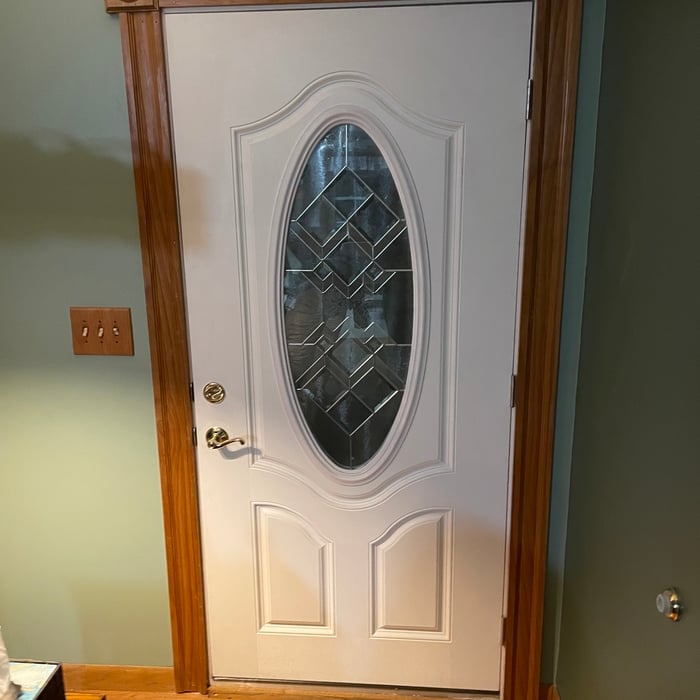
"Rep.laced entry door in storm door. Josh Arrived on time did what we agreed on.stayed within the estimate. sound craftsmanship quality work well done. Thanks Josh"
Shatter-resistant glass will ensure that even with a high impact, the glass of your window panes is less likely to break. If you’re looking for a more low-cost way to prevent vandalism, the most traditional answer would be to board up windows with a strong plywood sheet. Adding security cameras is also a surefire way to ward off potential vandalism.
The rough opening refers to the framed space in the wall where the window will be placed. That means the full size of the space will be filled with both glass and frame once the new window is installed. For a standard window, a rough opening adds 1/2 inch to 3/4 inch to both the length and width.
Yes, bifold windows can open inward or outward. Your window manufacturer will label windows as “in-swing” or “out-swing,” which indicates the direction they open. If your installer is ordering windows for you, make sure they know which direction you want them to open. In-swing bifold windows will preserve as much space in your outdoor area as possible. Out-swing bifold windows are great on the second floor, where obstructions outside aren’t a concern.
Not every home needs window capping. Whether or not you need to cap your windows depends on your climate and window frame materials. Wooden windows should have window capping if moisture is a problem. Arid climates like the Southwest may not need window capping due to low rainfall and low humidity.
Yes, most manufacturers and contractors offer warranties covering materials and labor. It is important to confirm the specific terms of the warranty before purchasing.
The Mechanic Falls, ME homeowners’ guide to window services
From average costs to expert advice, get all the answers you need to get your job done.
The cost of new windows heavily depends on their size, but other factors come into play as well. This guide breaks down window costs based on various factors so you can make an informed budget for this project.
Buying windows can be complex. There are a ton of things to consider before buying to ensure you’re making the right choice for your home. Explore more here.
If it's time to replace or install a new window, you have plenty of stylish options. Here are 15 types of windows and the best place for each one in your home.