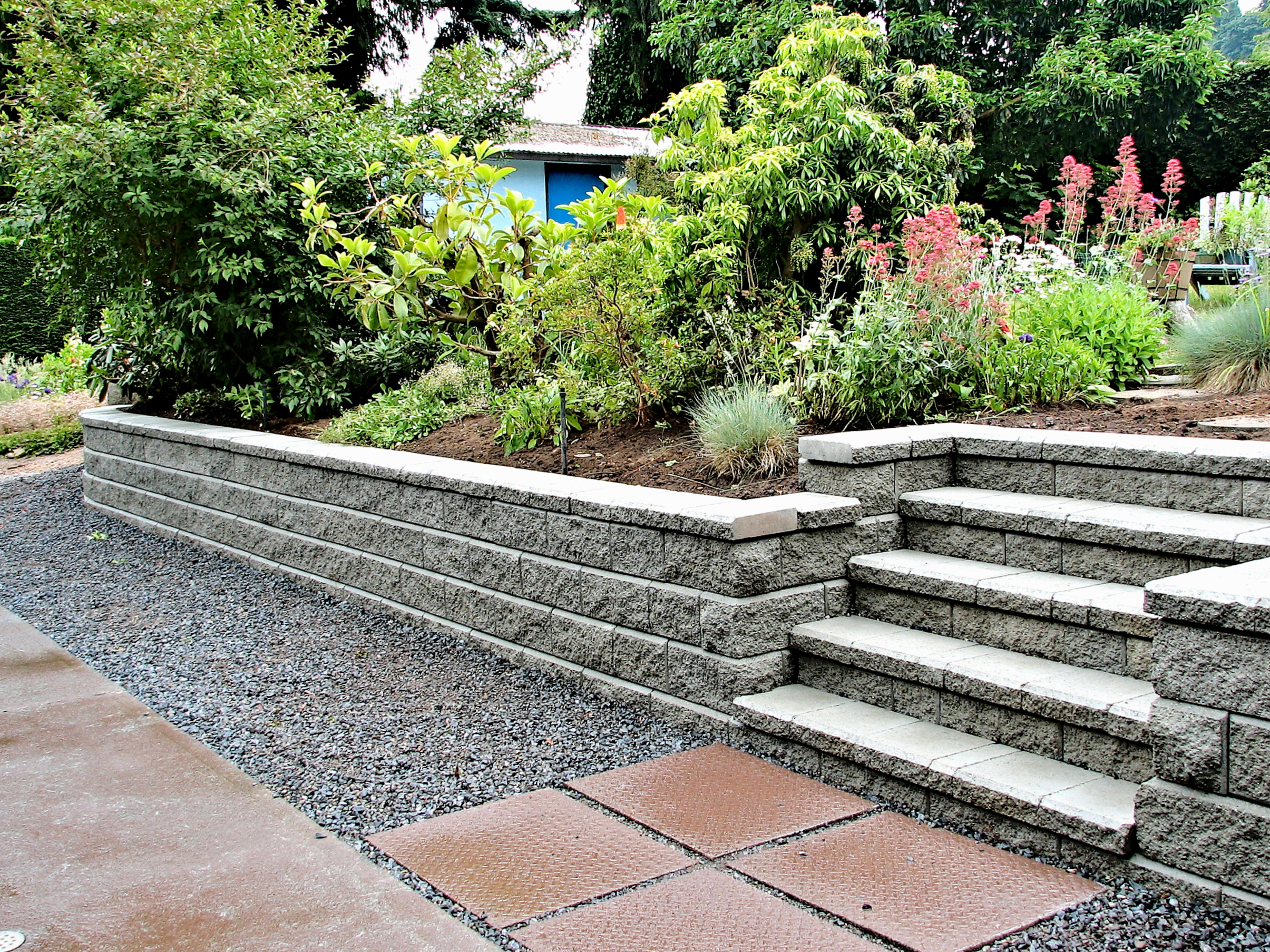







Top-rated retaining wall installation pros.

Get matched with top retaining wall installation pros in Cornish, ME

Enter your zip and get matched with up to 5 pros

Need a pro for your retaining wall installation project in Cornish, ME?

Select your specific project to find the pro for you.

Find Retaining wall installation pros in Cornish

Avatar for Morton Excavation
Morton Excavation
4.9(
14
)
Retaining Wall - Install

Serving Cornish, ME and surrounding areas

Approved

In business since 2016

Free estimates

Small jobs welcome

"Morton Excavation was GREAT! I asked for 2 estimates, one with a small retaining wall, one without. After receiving the estimates, I contacted Morton and asked how soon could they get started? “Next week, and we should be done in a couple days.” They did have to put me off for one day, but they completed the job in 2 days, cleaned up the work area, and did an excellent job. Thanks!!"
Gallery
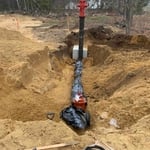
Fire Hydrant install
8in ductile iron / fire hydrant install
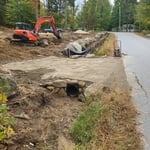
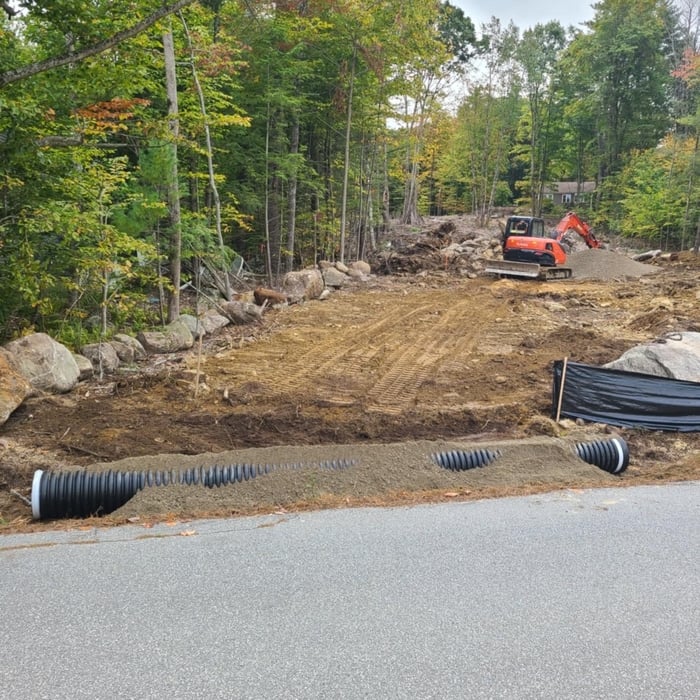
Culvert Drainage
Culvert Drainage

+11

7 neighbors recently requested a quote
Recommended by58%of homeowners
Showing 1-10 of 39
Retaining Wall Installers questions, answered by experts

There are contractors specifically trained in the design and construction of retaining walls. Retaining wall contractors are skilled at dealing with the soil on your property and assessing what kind of drainage should be installed. They will recommend the best materials to use for the project and can handle the processing of permits by local authorities.

Generally speaking, a retaining wall should be between 3 and 4 feet high, depending on variables such as the wall-building material, the purpose of the retaining wall, and more. If you want your retaining wall to be taller than 4 feet, check with your local building ordinance office for the maximum allotment. You may also need a special permit for retaining walls over 4 feet tall.

Railroad ties can be good for retaining walls, but it depends on the area. They have a desirable rustic look and are durable. The problem is they’re treated with creosote, a preservative the EPA says poses a risk to humans and wildlife. Over time, the preservative seeps out of the wood and into the ground. Many areas have banned the use of creosote-treated wood on residential properties. If your area does allow it, never use railroad ties near an edible garden or drinking water source. Instead, use wood that’s treated with an EPA-approved preservative or a wood-alternative composite material.

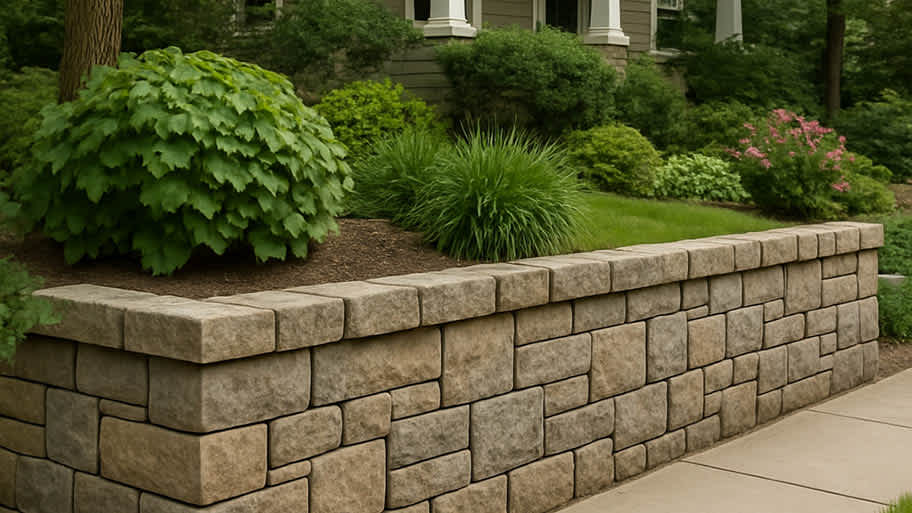
Options include concrete, stone, brick, and wood, tailored for specific design needs.

Costs depend on material type, labor rates, and additional features like decorative finishes or reinforcement.

The Cornish, ME homeowners’ guide to retaining wall installation services

From average costs to expert advice, get all the answers you need to get your job done.