





Top-rated arborists.

Get matched with top arborists in Mexico, ME

Enter your zip and get matched with up to 5 pros

Need a pro for your arboricultural service project in Mexico, ME?

Select your specific project to find the pro for you.

TRUSTED BY MEXICO, ME HOMEOWNERS

  • Average homeowner rating star icon4.7
    Average homeowner rating
  • Verified reviews icon36
    Verified arboricultural services reviews

Find Arborists in Mexico

Avatar for Red Oak Forestry
Red Oak Forestry
4.7(
81
)

Serving Mexico, ME and surrounding areas

Approved

In business since 1998

Free estimates

Credit card accepted

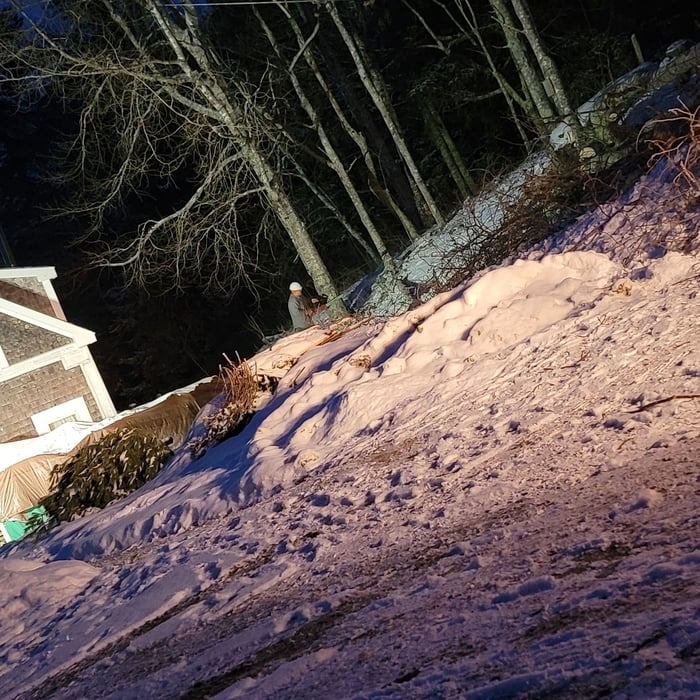
"This was a tough job in middle of January.i I needed about a dozen trees removed Red Oak was here on time and on budget... very professional and I will use them again if needed"
12 neighbors recently requested a quote
Recommended by94%of homeowners
Avatar for WTF Construction
WTF Construction
5.0(
4
)

Serving Mexico, ME and surrounding areas

In business since 2018

Free estimates

Small jobs welcome

"Did the job in a very timely manner, professional, attentive to detail on the project. I highly recommend them to anybody looking for his service. Always did what he said he would do and the project turned out wonderful. I do not think you can get any better than them."
Response time2 hrs
Response rate94%
Recommended by100%of homeowners

A & C Odd Jobs
3.5(
13
)

Serving Mexico, ME and surrounding areas

In business since 2008

Free estimates

Emergency services offered

"

Said they would do clean up, left a lot of debris around the house

Said they could do shingles siding but really didn't know what they were doing - when I saw the job and asked them to redo much of it because it was not level or inline with the rest of the house. 

Thought they would make it good, but rushed through fixing the issues - then never heard from them again.


"
Recommended by66%of homeowners
Showing 1-10 of 26
Arborists questions, answered by experts

The best time to cut down a tree is during its dormant season, typically in winter or early spring, after all the leaves have fallen. Removing a tree during this period is advantageous for several reasons. Frozen ground helps secure the tree stump, protects the surrounding landscape from damage, and reduces the risk of the tree falling in an unintended direction. With the leaves gone, there is less risk of the tree's foliage getting tangled with other trees. Additionally, since this is often a slower season for tree services, you may be able to hire a professional at a lower rate. This dormant period is also the best time for tree trimming.

As a general rule, the protected area should be about 1½ times as wide as the canopy of the tree’s leaves. This digging measurement can vary by tree species and the age of the tree. Of course, that can be a lot of fencing for larger trees, which is why our first step is about making difficult decisions on which trees to save.

You can start your search for a reputable arborist online by looking for professionals who hold the proper licensing and are fully insured. Next, read through some online reviews to see what kind of service the expert brings to the table, and confirm that they don’t have a history of complaints with the Better Business Bureau. Finally, you can ask the professional for a list of references and then call them to ask questions about the service, professionalism, value, and more that the expert brings to the table.

Completely topping a plum tree is a risky business. Cut too much, and you’ll kill your tree. That said, you do need to trim the top of your tree to encourage bushy growth, maintain your tree’s vase shape, and limit size. 

A plum tree's central leader (or trunk) should never extend more than 3 feet above the highest branch. When you first plant your tree, cut the central leader so it’s 2 to 3 feet tall. As it grows, cut it back 12 to 20 inches until it reaches its desired height. Never prune more than one-third of the new growth.

There are a few differences between tree guying and tree staking. Tree guying requires anchor stakes that are shorter and stronger than regular stakes and are driven deeper into the ground at an angle away from the tree. Tree staking uses longer stakes that are set parallel to the tree and are used for smaller trees. Consult a local tree professional to determine which method is best for your tree.

The Mexico, ME homeowners’ guide to arboricultural services

From average costs to expert advice, get all the answers you need to get your job done.