For minor unevenness, you don't necessarily need to remove grass before leveling. You can apply a topdressing mixture to fill in low areas and even out the surface. However, for more significant unevenness or deep depressions, it might be necessary to temporarily remove the grass to ensure proper leveling and soil compaction. After filling and leveling, you can replace the grass or consider reseeding the area.
You can leave grass clippings on the lawn, depending on their length. You don’t want to completely cover new grass and block it from sunlight, or encourage moss crowd out the more delicate grass. However, short clippings are usually fine to leave on the lawn. In some cases, they can be beneficial: Clippings can be a source of fertilizer and help protect the ground as young grass blades develop.
The legality of blowing leaves into the street depends on your city or county laws. Many cities have codes that restrict blowing leaves into the street because it can obstruct the view of nearby drivers and make cars dirty, not to mention angering neighbors. Violations can result in a fine or other problems. You can check the codes on your municipal government website to learn more local guidelines, but avoid spraying leaves into streets for now.
You can view the bulky pickup schedule for your local area on your waste management provider’s website. They may list a schedule, prices, acceptable items, preparation guidelines, and other key information. Many providers don't operate bulky pickup on a specific schedule; instead, they require customers to schedule a one-time pickup for a specific item.
Digging a bush up by the roots is the most natural DIY method for removing a bush stump. Start by identifying the shrub type and revealing its roots. Cut the shrub to its base and loosen the soil, ensuring no utility lines are nearby. Optionally, treat the base with herbicide, then dig around the roots and cut a circle around the shrub using various tools. Dig a trench, cut the base of the root ball, and finally fill the hole to prevent regrowth. This thorough process ensures complete removal without damaging surrounding areas.
The Shady Side, MD homeowners’ guide to brush chipping services
From average costs to expert advice, get all the answers you need to get your job done.
The most significant factor in tree removal costs is the amount of debris. Read on to learn more about the average tree debris removal costs in Washington, D.C.
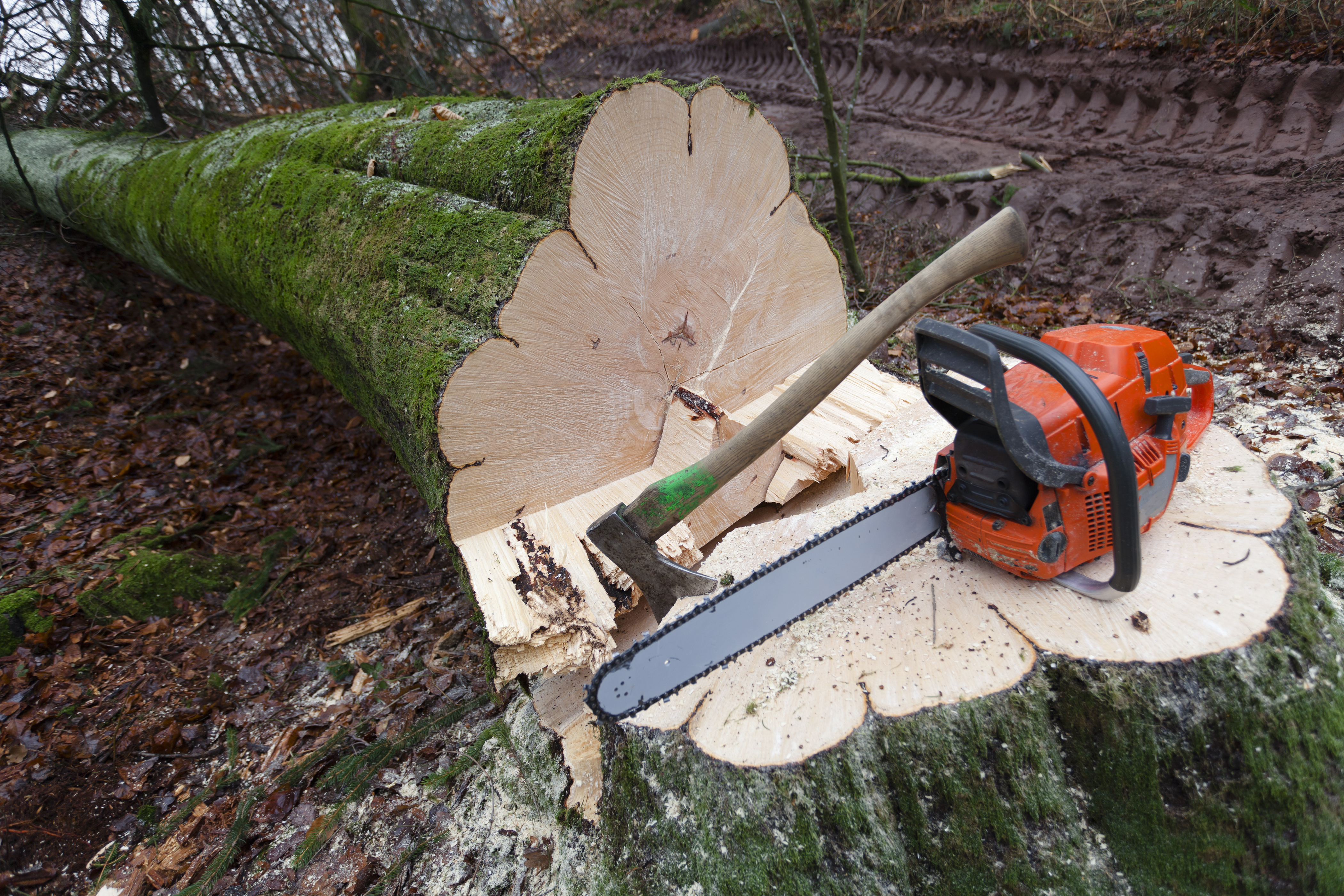
Just bought a plot of land and need to get it build-ready? Learn how much it costs to clear land in Washington, D.C., to gauge your initial budget before you break ground.
Tree removal in Washington, D.C., can be an expensive service, with tree cutting costs varying based on size and location. Here's what you can expect to pay.

If your painted deck is less than appealing, it's time for a refresh. DIY your paint removal from your deck to enjoy your outdoor space for many seasons.