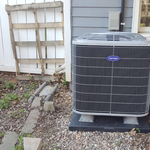
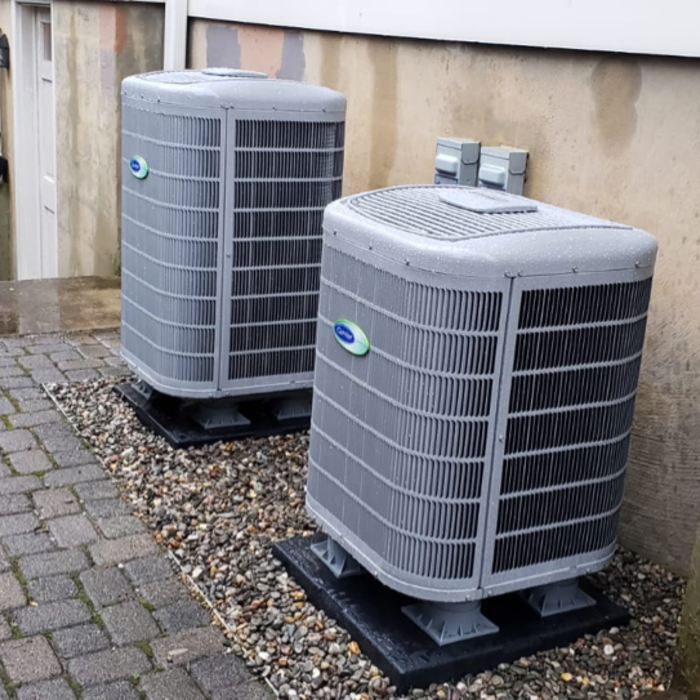
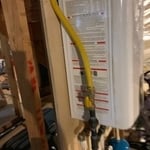
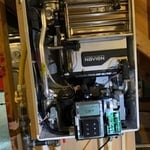
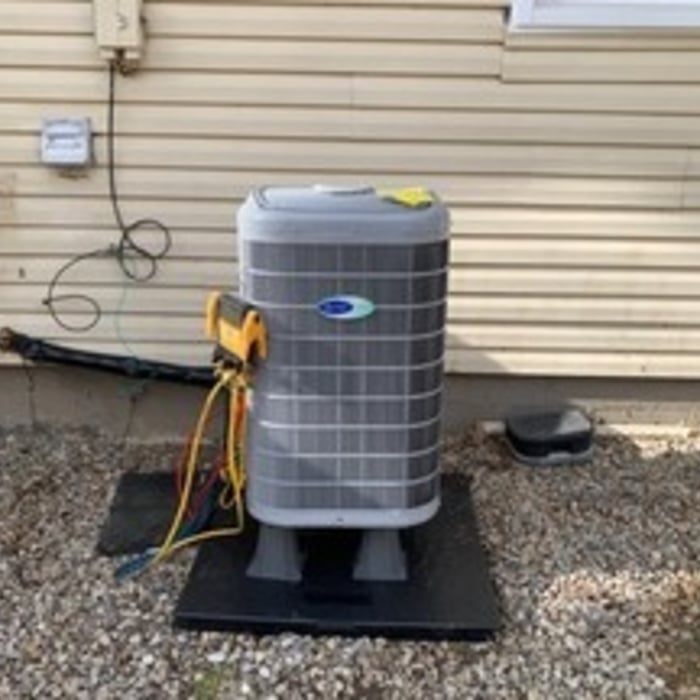
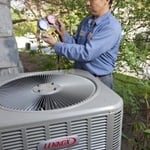
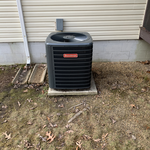
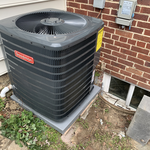
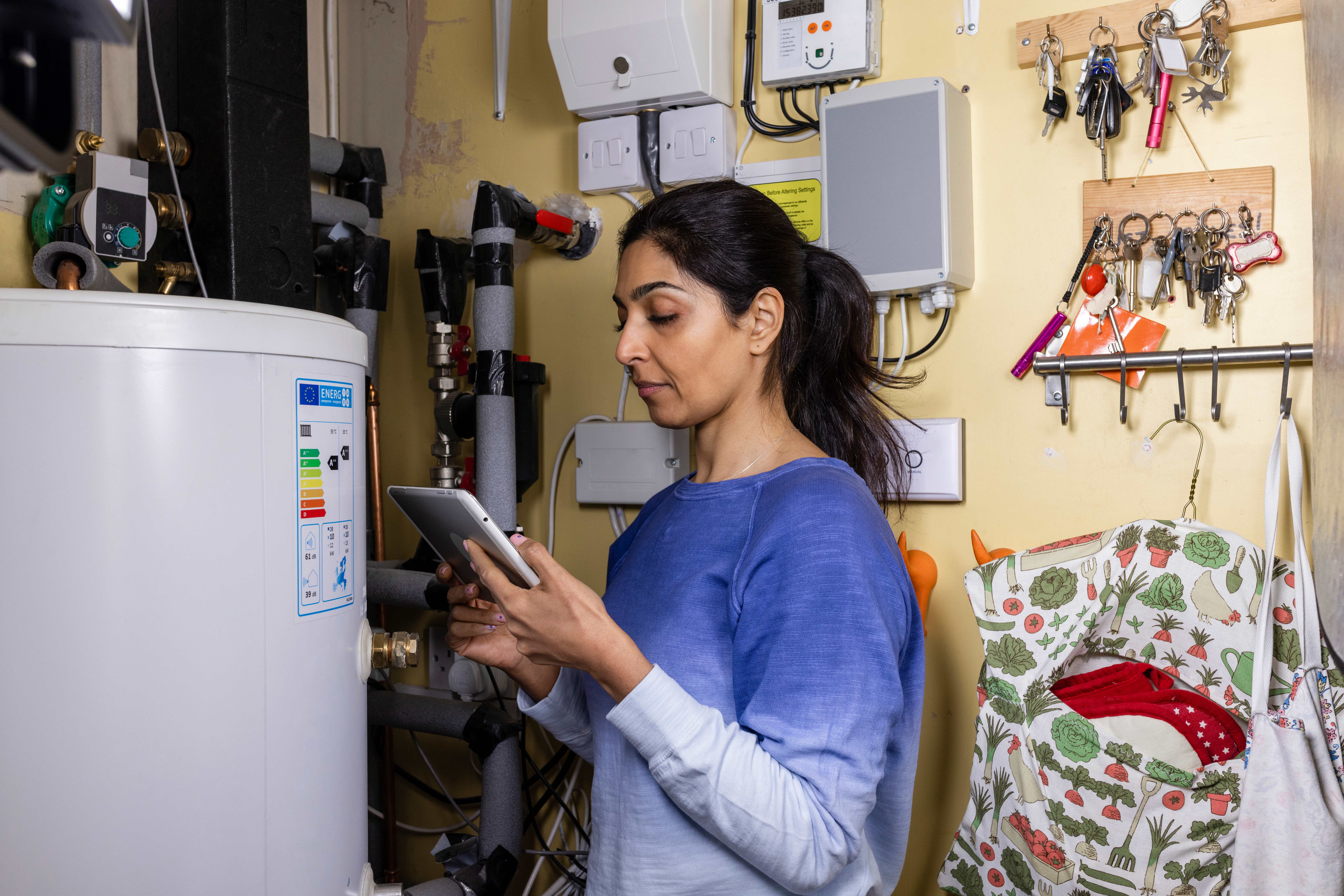
"Carlos, Yarel, Muhammad and Conrad did a great job installing my new Heat Pump. They arrived promptly and did a thorough, professional, and efficient job. I highly recommend their services to anyone."
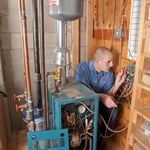
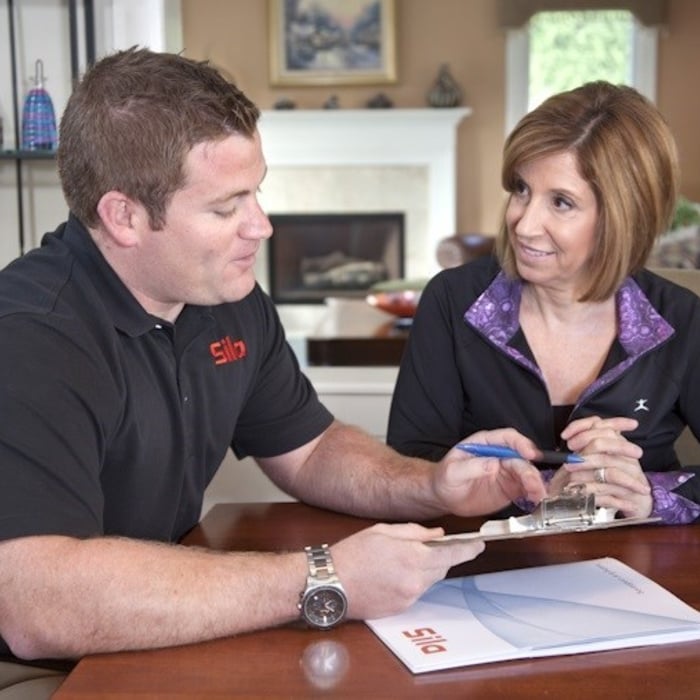
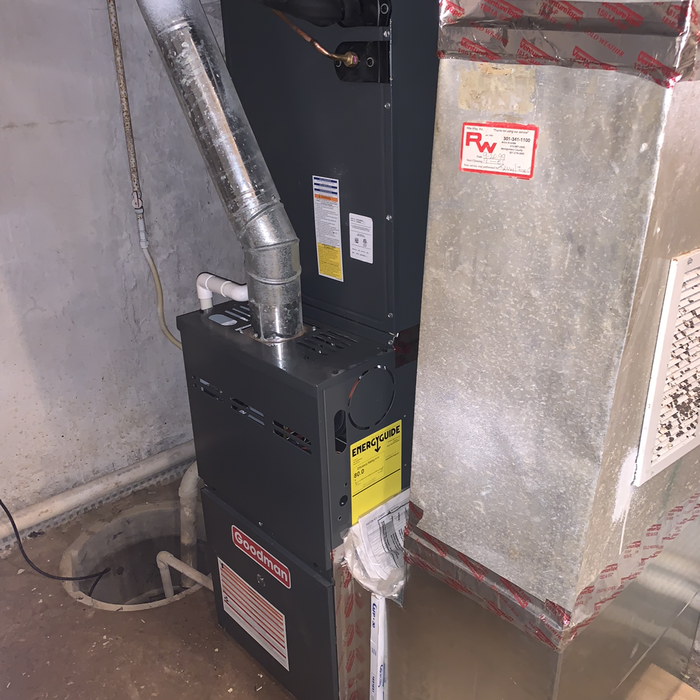
"It was a superb experience. From the visit by Bruce the sales representative to the installation day to the follow-up from Petro, every single person we interacted with was helpful and professional. When Bruce arrived to do the assessment, we spent time going over the heating needs in the house. After a thorough inspection and measurement of the house, we sat down. He showed me a few options, all of which were going to provide good service. I ordered a unit at the end of that meeting. The installation day was just terrific- the entire work crew that showed up were everything I would hope to find: Upbeat, informative, hard-working, focused. The job was finished before end of day as promised. The heater room is now immaculate, with new piping and a new heater. It was like watching a pit crew at a NASCAR race. Everyone had their tasks, they moved carefully but quickly. The materials were all laid out in order, etc. Just a totally professional approach to their work. The crew boss answered any questions I had. The follow-up for a normal inspection of the furnace chimney was scheduled the day after the installation. I’ve gotten calls to insure we are satisfied with the work. Satisfied barely covers it- I am pleased to write this kind of review. Without hesitation I will recommend Petro to friends and family throughout the Philly area. Peter A. Elkins Park"
"I had a leak somewhere in my heat pump system from 2013 in a 4 floor condo building. Every other company was quoting me $7k+ to replace the system but it turns out to be a leak in the line set between the 3rd floor and the roof! We had a new line set installed and I spent $2550 in total! The crew was very professional and worked extremely had in the hottest weather to get the job done, too!"
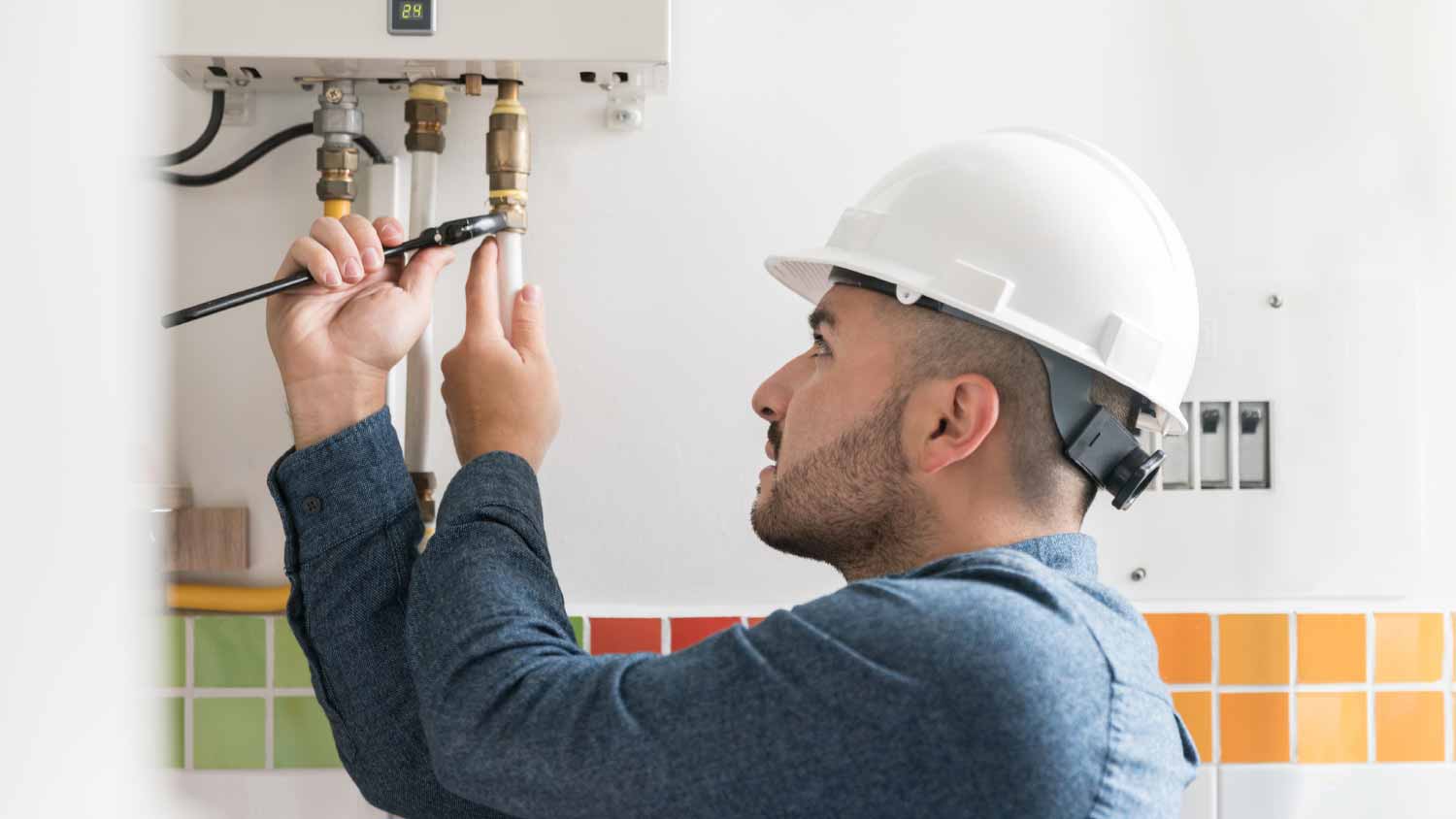
Whether you need a repair, preventive maintenance, or replacement, we are your plumbing, heating, and air conditioning service provider in the northern Virginia and surrounding areas. We invite you to give us a call!
"We hired Sucoy Company to install a heat pump in a new ADU. Although the work is still in progress, Justin was very easy to communicate with and very helpful in providing information. We subsequently hired them to change the thermostats in our main house, and John did a great job. He was friendly, easy to communicate with, and on time. The first time he came out, it turned out that one of the new thermostats was defective, and he did a good job troubleshooting to pinpoint the problem, and then came back another day to install a new thermostat."
"Fantastic job. Technician arrived on time. Very respectful of the home. Inspected the whole system thoroughly. Provided guidance on a new filter needed. Found more refrigerant was needed. Verified the system operation with our history of operating it (the condenser would ice over every now and then)."
Thank you for considering Grove and Son! We are a family owned full- service HVAC and Plumbing business and have been serving the community for years. To ensure excellent results, our technicians are equipped with the tools and products to perform inspections and repairs on the spot. Providing great service with reliability is our passion and pride. We would love to have the opportunity to assist you with you next project. Give us a call today for all of your Heating, Cooling and Plumbing needs!
One of the easiest ways to determine which type of furnace will work best for your home is to contact a professional in your area. Many HVAC companies offer free consultations to help potential customers determine if they need a new system and which type would work best for their home and the community’s climate.
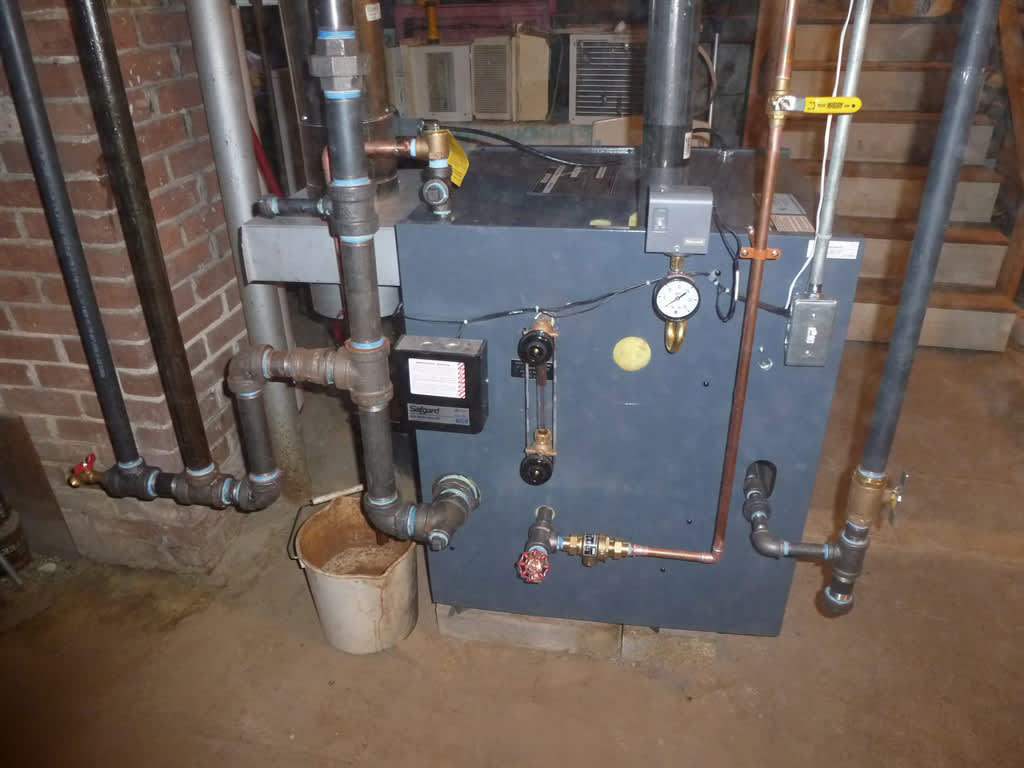
The primary differences between a heat pump and a boiler are their function and how they produce heat. A heat pump is a versatile system that provides both heating and cooling by moving ambient air and altering its temperature. In contrast, a boiler is solely a heating system, often working with a furnace or AC unit as part of a larger HVAC system. In terms of heat production, a heat pump generates heat more slowly and at a lower temperature, requiring a large convector for distribution. A boiler, however, produces a large amount of high-temperature heat that it emits through smaller radiators.
You can save money on heating oil through a combination of improving home efficiency and smart purchasing strategies.
Home Efficiency and Usage:
Improve Insulation: Ensure your home, especially the basement and attic, is well-insulated and sealed against drafts to prevent heat leakage.
Manage Your Thermostat: Use a properly calibrated and programmable thermostat. Lower the temperature by a few degrees, particularly when you are away from home or asleep.
Purchasing Strategies:
Buy in the Off-Season: Order heating oil during the summer months when prices are generally at their lowest. This strategy is most effective if you have a large primary tank or a separate storage tank to accommodate bulk deliveries.
Consider a Delivery Contract: Some companies offer contracts with a set price for the term. This can lead to savings if market prices for oil increase, but you might pay more if prices drop.
On average, you’ll need about two gallons of oil per day to heat your house when it’s 50 degrees Fahrenheit outside. Most oil tank capacity is about 275 gallons, and heating your house with two gallons of oil per day will last about four and a half months. This consumption will vary depending on the climate and average temperature in your location. For example, if the winters are longer and colder where you live, you’ll probably need to refill your oil tank at least once to get through the winter.
Yes, most municipalities require a permit for propane boiler installation to ensure safety and code compliance. Permit fees vary by location and are often included in your installer’s quote, as they’ll handle the permitting process. Ensure that you always check local regulations before starting your project to avoid fines or delays.
The Forestville, MD homeowners’ guide to boiler installation services
From average costs to expert advice, get all the answers you need to get your job done.
The average boiler installation cost depends on size, system type, and other factors. Keep reading to learn the cost of a new boiler in Washington, D.C.
Find out the average radiator and boiler repair cost in Washington, D.C. Learn what you can expect to pay for local heating services and keep your home warm.