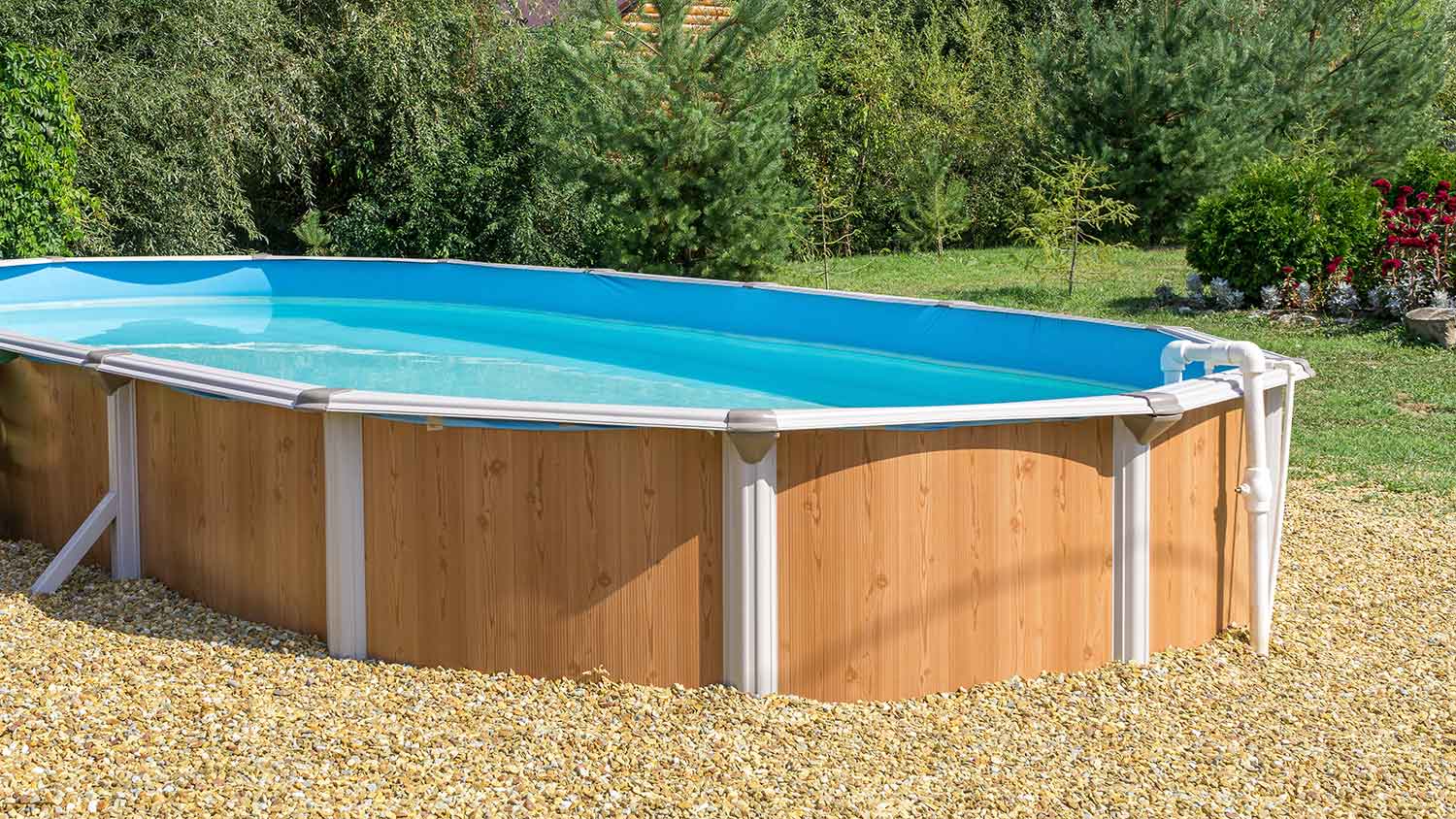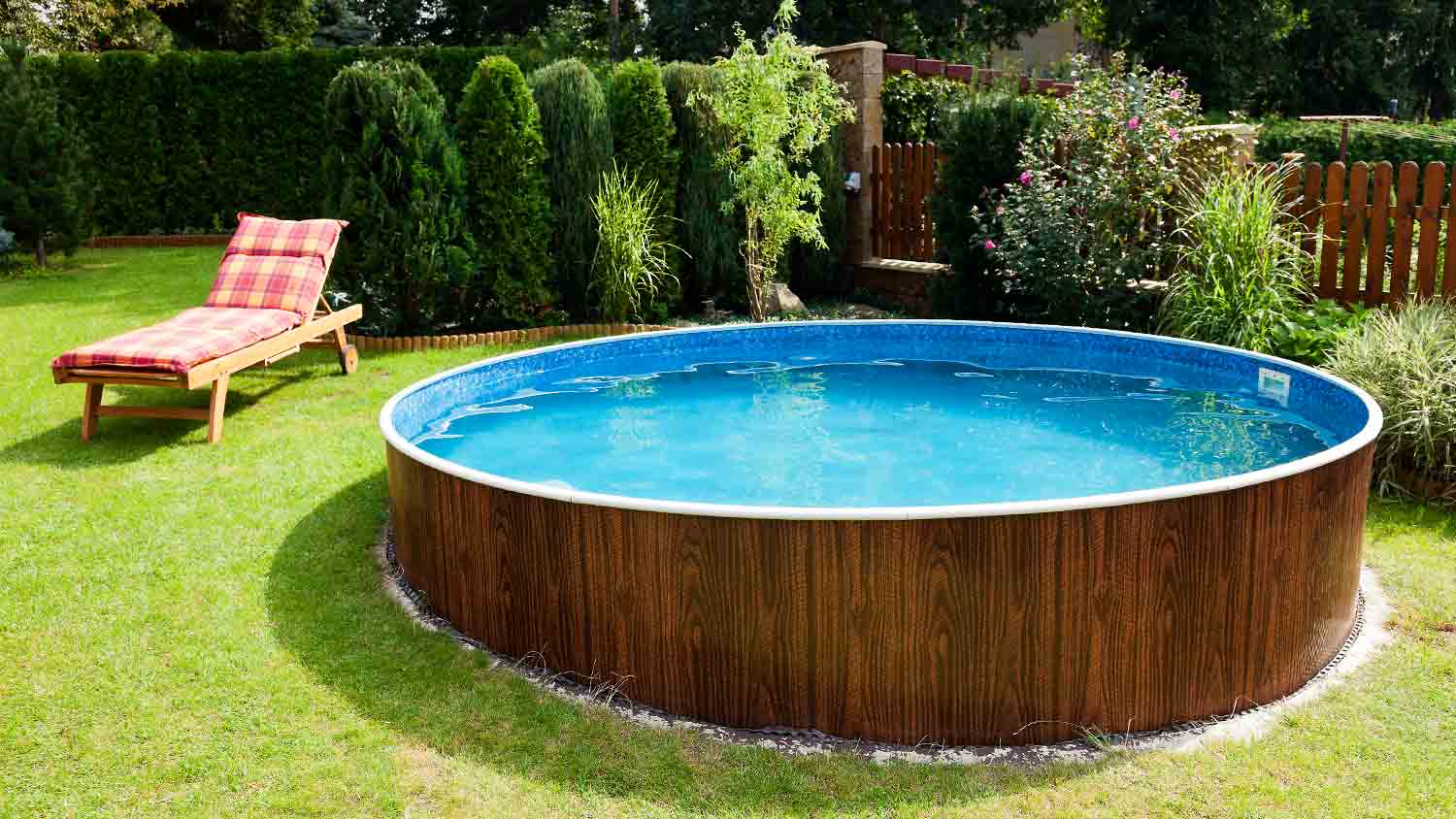





Top-rated above ground pool installation pros.

Get matched with top above ground pool installation pros in Flintstone, MD

Enter your zip and get matched with up to 5 pros

Need a pro for your above ground pool installation project in Flintstone, MD?

Select your specific project to find the pro for you.

Find Above ground pool installation pros in Flintstone

Avatar for American Home Shield – Home Warranty
American Home Shield – Home Warranty
3.5(
5,688
)
Above Ground Swimming Pool or Accessories - Repair or Service

Serving Flintstone, MD and surrounding areas

In business since 1971

Credit card accepted

"One oven doesn't work at all ( my choice, see above), the "working" oven was never calibrated properly so using it is hit or miss. It's time to call American Home Shield to see about replacing the entire unit. I'm waiting to finish other home projects before calling them. I don't know if I'll request Greenway again."
Additional Photos
Additional Photos
Additional Photos
Additional Photos
Additional Photos

+2

Recommended by65%of homeowners
Install Above Ground Pools questions, answered by experts

If you put too much chlorine in your pool, it can make the pH level more acidic, creating a health risk. You might experience symptoms like nausea, dizziness, vomiting, skin rashes, and irritation in the eyes, nose, throat, and lungs. To lower the chlorine level, you can turn off your chlorinator or chlorine feeder, add more water to dilute the pool, or remove the cover to let sunlight naturally reduce the chlorine.

Any number between 7.2 and 7.8 is an ideal pH for swimming pools or 80 to 120 ppm. Your pool testing kit should be able to measure both of these numbers. If your pool’s pH is below this range, the water is too acidic and can cause scaling and damage to pool equipment. If the water’s pH is above this range, it can decrease the effectiveness of necessary chemicals, like chlorine.

An easy way to know whether your sand filter has enough sand is to check how full the filter is and what the sand looks and feels like. The filter container should be two-thirds to three-quarters full of sand. Look for interior marks indicating the ideal sand level. If you put your hand into the sand, it should flow through your fingers without clumping. The filter pressure gauge is also an easy indicator—the right amount of sand leads to normal pressure, while too much or too little sand can cause high or low pressure.

Yes, adding a pool to your property will almost always increase your homeowners insurance premiums. This is because pools are considered hazardous, which increases your home's liability risk. The replacement cost of the pool itself is also factored into your home's rebuilding cost when determining coverage limits. The amount of the increase can vary from as little as $50 to several hundred dollars more per year, depending on your insurance company, location, current coverage, and installed safety features. It is best to contact your insurance agent before installing a pool to get an estimate, understand their specific guidelines, and factor the ongoing cost into your budget.

Yes, you can put too much shock in a pool, and it is crucial to follow the directions on the product you are using. Adding excess shock can upset the chemical balance, make the water cloudy, have adverse effects on swimmers, damage pool equipment or surfaces, and even encourage certain types of algae to grow. If you have over-shocked your pool, perform a water test and adjust the chemicals as necessary. The pool's chemical balance will eventually return to normal as the excess chlorine dissipates over time.

The Flintstone, MD homeowners’ guide to above ground pool installation services

From average costs to expert advice, get all the answers you need to get your job done.