
Top-rated drywall pros.

Get matched with top drywall pros in West Warren, MA

Enter your zip and get matched with up to 5 pros

Need a pro for your drywall service project in West Warren, MA?

Select your specific project to find the pro for you.

TRUSTED BY WEST WARREN, MA HOMEOWNERS

  • Average homeowner rating star icon4.3
    Average homeowner rating
  • Verified reviews icon18
    Verified drywall services reviews

Find Drywall pros in West Warren

Avatar for ApexBuilds
ApexBuilds
4.0(
4
)
Drywall - Install

Serving West Warren, MA and surrounding areas

Approved

In business since 2020

Free estimates

Emergency services offered

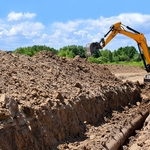
"They did a fantastic job with my driveway. They managed to expand it so it can park all my cars and so I can pull in and out easily. I highly recommend them for everyone who wants their project to be done as soon as possible because they have great availability."
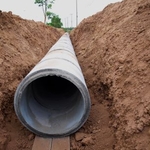
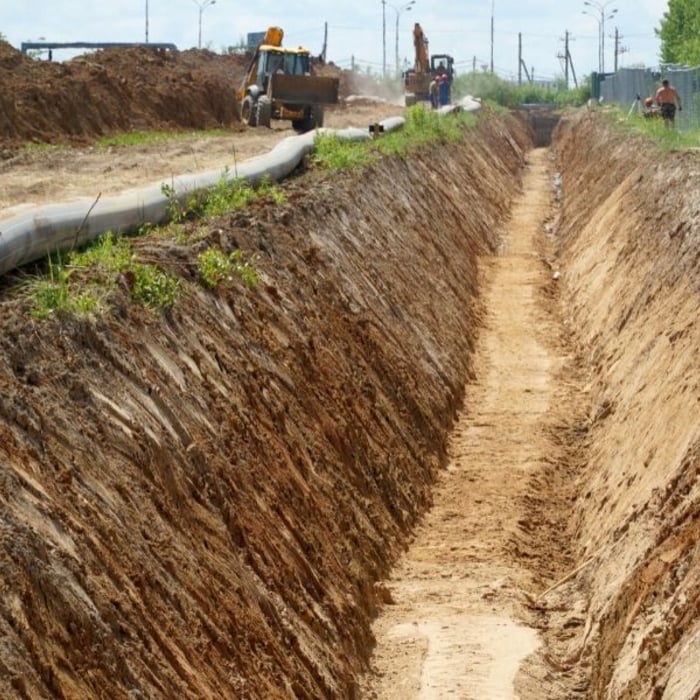
TRENCH
land clearing
land clearing
drainage trench
drainage trench

+94

Response time1 day
Response rate100%
26 neighbors recently requested a quote
Sonart Construction Corp.
2.3(
7
)
Drywall - InstallDrywall - Install - For BusinessDrywall - Repair+1 more

Serving West Warren, MA and surrounding areas

Approved

In business since 2013

Free estimates

Credit card accepted

Sonart Construction Corp. has over15 years of experience in providing a variety of exterior and interior renovation services. We provide services to Palm Beach, Broward and Miami-Dade Counties.. We specialize in Bathroom Remodeling, Kitchen Remodeling, Flooring and the list goes on. Customer satisfaction is what determines our success, which is why we take a hands-on approach and keep the customer informed through every phase of the project. When interacting with our company, you'll notice that we're particularly focused on the principles of quality workmanship, timely completion, competitive pricing, and integrity in all our business dealings. We combine knowledge and research with our extensive practical experience to ensure a specialized approach for your renovation needs. Give us a call today!

...
Showing 1-10 of 140
Drywall questions, answered by experts

While every home has its own unique needs, ceiling drywall installation typically follows a staggered or stepped pattern to enhance structural integrity and reduce the visibility of seams. Starting from one corner, sheets are placed perpendicular to the ceiling joists, with the ends of adjacent sheets meeting along the center of the joist. The next row begins with a half sheet, ensuring joints don't align vertically. This alternating pattern, combined with proper taping and mudding, creates a seamless appearance and strengthens the ceiling structure, minimizing the risk of cracks over time.

You should leave a gap between drywall sheets because they naturally expand and contract along with the building framing as temperature and humidity change. Most pro drywall installers leave a gap of about ⅛ inch between drywall sheets, allowing the sheets to expand, contract, and shift without cracking or becoming damaged. If you don’t leave enough gaps between slabs, the edges will press against each other when they expand, and the pressure can cause visible cracks.

Regular inspections, repainting, and avoiding moisture exposure help maintain integrity.

How you hang the drywall can affect the finishing process. It's often easier to finish horizontal drywall panels, as the seams run across the wall rather than up and down. Standard drywall panels are 48 inches wide, so the seam is easy to reach without bending down or stretching your arms.

Although they have similar applications, spackle and joint compound are not the same. Their primary differences lie in their composition, consistency, and ideal use cases.

Spackle is composed of gypsum and binding agents, making it thicker than joint compound. It dries quickly and is easy to sand, which makes it ideal for small wall repair projects like filling nail holes or patching minor damage.

Joint compound, also known as drywall mud, consists of limestone and gypsum. It is primarily used for large-scale projects, such as taping and finishing the seams on newly installed drywall. It tends to shrink more than spackle and can be more difficult to spread.

While both products can be used to fill small depressions and cracks, spackle cannot replace joint compound for taping and mudding new drywall. Conversely, you can often use joint compound for small patching jobs typically done with spackle.

The West Warren, MA homeowners’ guide to drywall services

From average costs to expert advice, get all the answers you need to get your job done.