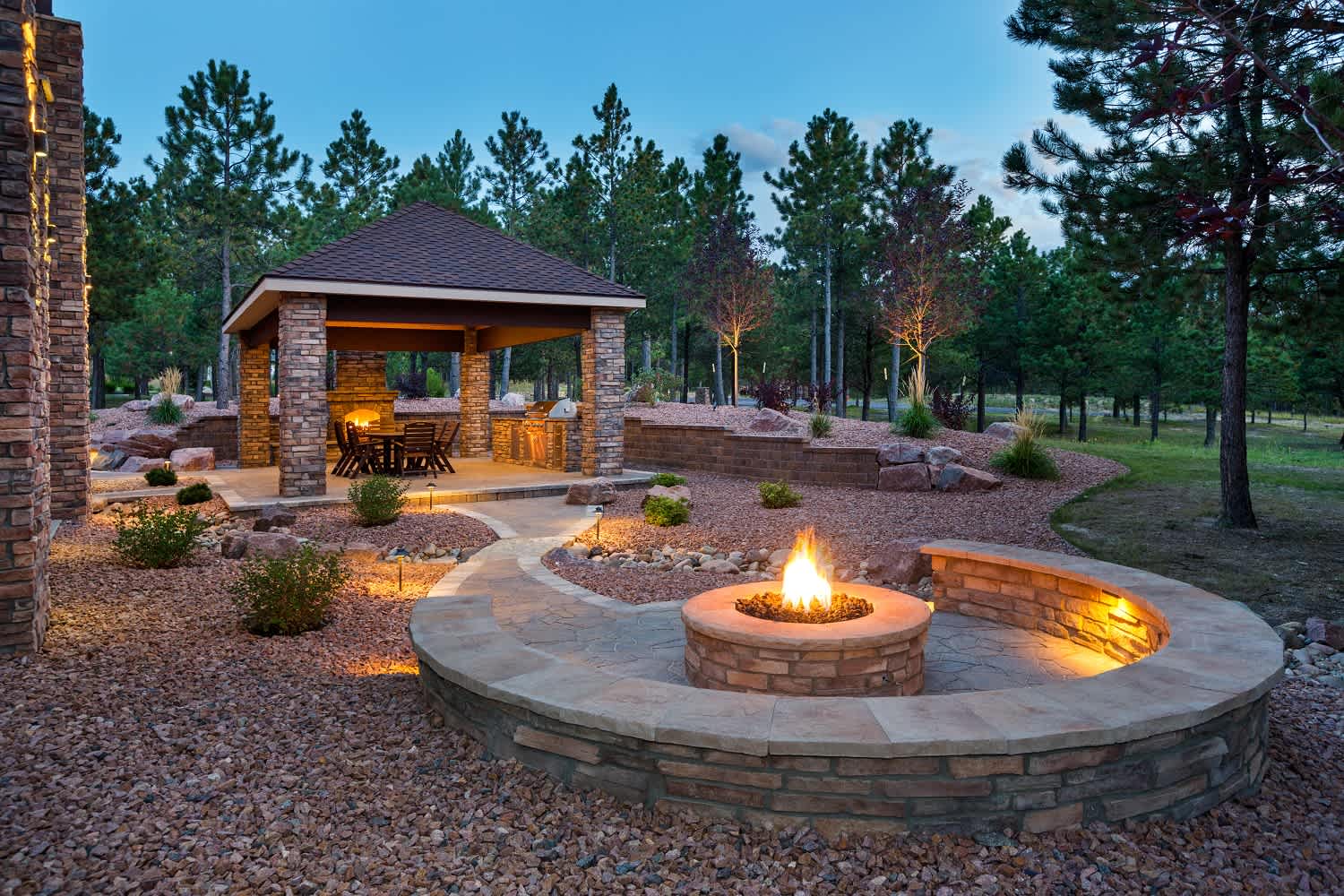









Top-rated fire pit installation pros.

Get matched with top fire pit installation pros in Southwick, MA

Enter your zip and get matched with up to 5 pros

Need a pro for your fire pit installation project in Southwick, MA?

Select your specific project to find the pro for you.

TRUSTED BY SOUTHWICK, MA HOMEOWNERS

  • Average homeowner rating star icon4.5
    Average homeowner rating
  • Verified reviews icon222
    Verified fire pit installation services reviews

Find Fire pit installation pros in Southwick

No results for Fire pit installation pro in

Try adjusting your search criteria.
Fire Pit Installation questions, answered by experts

Yes, splicing wires can cause a fire if the splicing is done incorrectly. This is why splicing wires is a task best handled by electricians. One of the most common mistakes made when splicing wires is not using a wire connector. Without a wire connector, electricity flows unsheathed and can result in a home electrical fire.

A chimney liner isn’t required for an outdoor fireplace; you don’t technically need one if the masonry chimney uses the proper dimensions and is built to code. However, a chimney liner does serve as a protective coating for the flue. Adding a liner could improve performance, safety, and durability. In short, while not necessary, it wouldn’t hurt.

A chimney requires both a cover and a cap, but these parts often get confused with one another. A chimney cover seals the top of the chimney around the flue pipe to prevent water from entering the chimney. A chimney cap is a piece that sits above the flue to prevent animals, debris, and water from entering the flue.

Chimneys should either be sealed or waterproofed, which is different from sealing off—closing at both ends—a chimney. Waterproofing and sealing are both crucial steps to take to prevent water damage and the chimney leaking inside the house. While waterproofing is more comprehensive, both help safeguard your chimney, extending its life span and preventing expensive repairs. 

In addition to flashing, a roof cricket can help divert water around your chimney so that it drains properly off your roof. It’s shaped like a double triangle and is installed behind the chimney so that falling water spills evenly down each side. This helps prevent water from accumulating behind your chimney, which can increase water damage and the risk of leaks. 

The International Building Code (IBC) requires cricket installation if a chimney built after 2012 measures over 30 inches in width. Chimneys constructed before that date are typically grandfathered in and aren’t required to have crickets installed.

The Southwick, MA homeowners’ guide to fire pit installation services

From average costs to expert advice, get all the answers you need to get your job done.