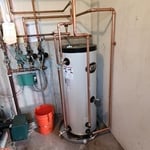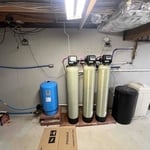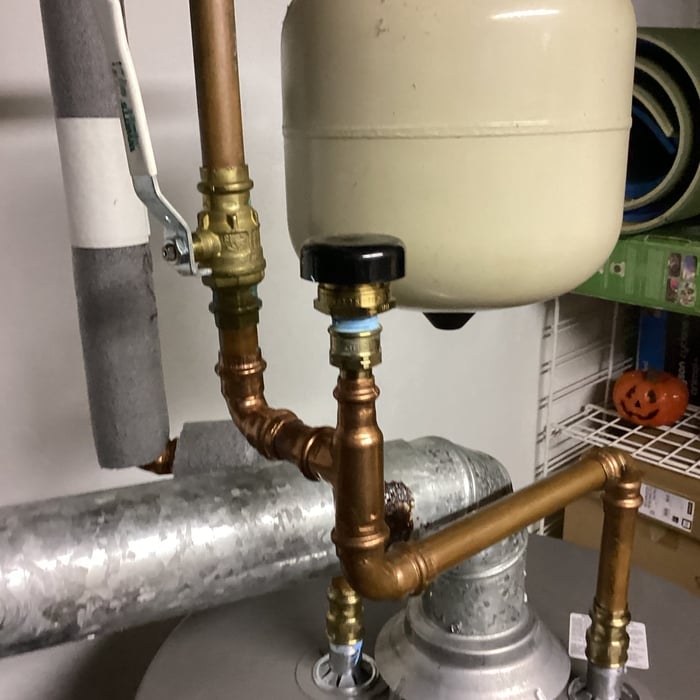



"Rick and his son Joe provided outstanding service. He listened and worked within my budget, he promptly arrived the next morning on time to install a new pump. They worked consistently and they clearly explained the process. I highly reccomend this company and I most definitely will hire them in the future. Great Job & Gr"
"Highly recommend Alex for your needs, he installed 2 brand new toilets for us and got it done super quick and we ran into no issues with having him as our plumber. He works very efficiently and the work is top notch!! Would hire again for all future needs and I recommend you to also!"
"Zach was fantastic. Professional, reliable, and extremely knowledgeable. The sump pump installation was done perfectly, and zach took the time to explain everything. Clean work, fair pricing, and great communication. I’d absolutely recommend Zach and would hire him again without hesitation."
"Hired for plumbing only, but offered solution for heater replacement as well. It is great to find someone like Al that is willing to follow through with the scope of this project from rough to final inspections."
"We hired Day & Night to uninstall our old dryer and install a new gas dryer we had purchased from Lowes. These guys literally saved my holidays. Our experience with Lowes was horrible, and it turned out that the dryer Lowes “finally” delivered after 2 months was defective. The team from Day & Night was great, scheduled quickly, patient and even able to fix our old dryer and update our piping to code so we were not in a lurch because of poor service from another company. I highly recommend them, and will rely on them in the future first for advice on appliance repair or replacement."
A home radiator works by using radiation and convection to transfer heat throughout your home. Electric radiators use metal to conduct heat and warm the air, which then rises to warm the room. Steam and hot water radiators work with a boiler and piping system to pump thermal energy throughout the home. Hot water radiators use a boiler to heat the water before circulating it to the radiator, while steam heating radiator systems convert the heated water to steam before circulating it out. When the water or steam cools, it travels back to the boiler to be heated again.
If you're often struggling with radiator issues like chilly spots, leaks, or annoying noises, those are common indications that your radiator may need to be replaced. Corrosion, uneven heating, and persistent hissing sounds are common issues as well. When repairs become a regular chore and your home’s energy bills start to rise, a new radiator will bring the comfort and savings you need.
If you go to turn it counterclockwise and it won’t turn anymore, it’s open. Like most other valves, you should be able to turn a radiator valve counterclockwise (to the left) to open it and clockwise (right) to close it. To close a radiator valve, turn it clockwise until you meet some resistance and can’t turn anymore, but do so carefully to avoid breaking the valve.
Professionals can recommend efficient layouts or appliances and ensuring regulatory compliance.
Chilled water HVAC systems use water instead of traditional components and refrigerants. They're more common in commercial settings than residential ones but are slowly being adopted by some homebuilders to cool homes. As the name implies, the system keeps the water chilled at 40 degrees and circulates it through water coils. The water absorbs the heat from your home and drains outdoors. Condo apartments are more likely to have chilled water HVAC than single-family homes because this system is designed to cool several rooms or large areas individually.
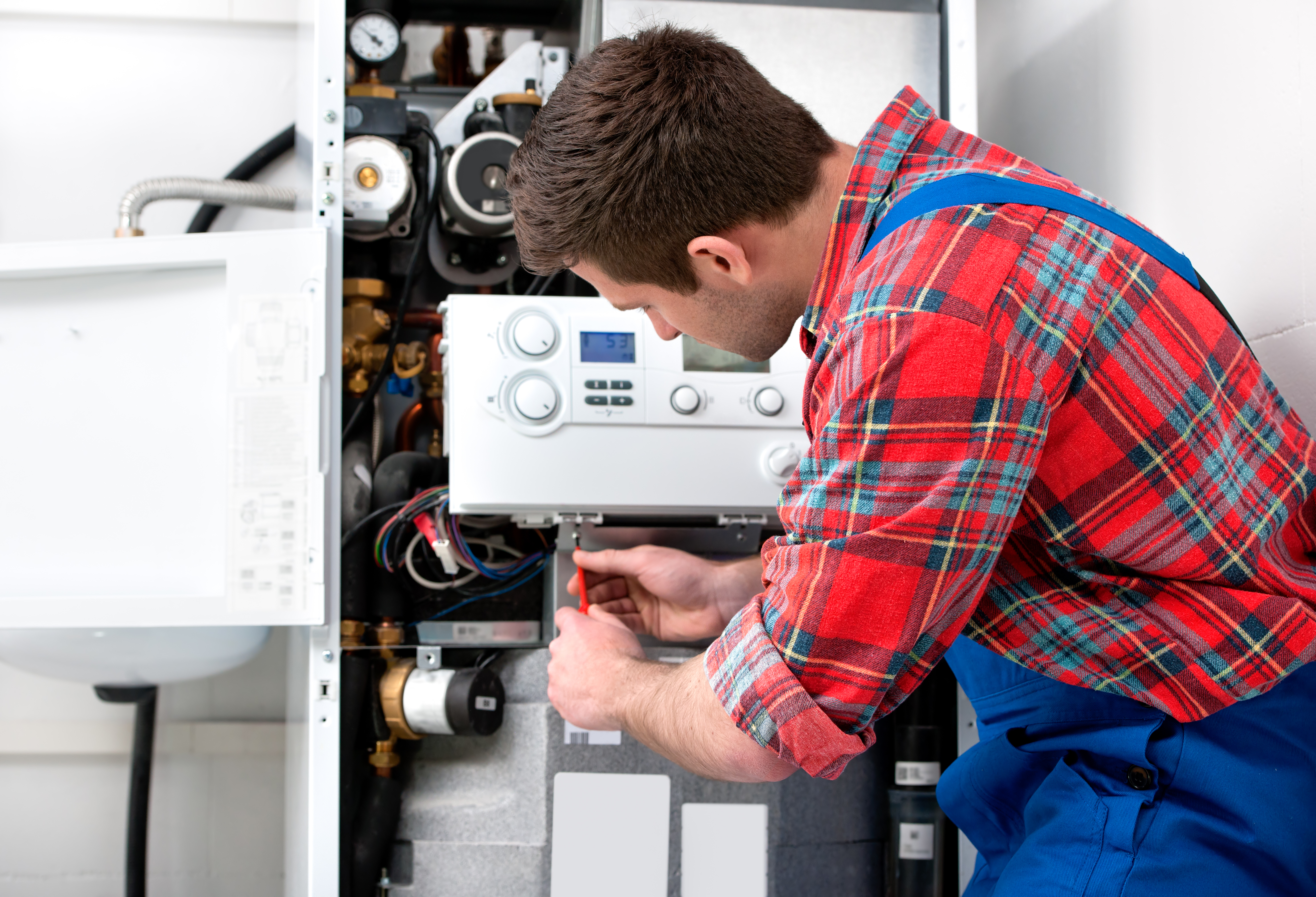
The Hardwick, MA homeowners’ guide to boiler installation services
From average costs to expert advice, get all the answers you need to get your job done.
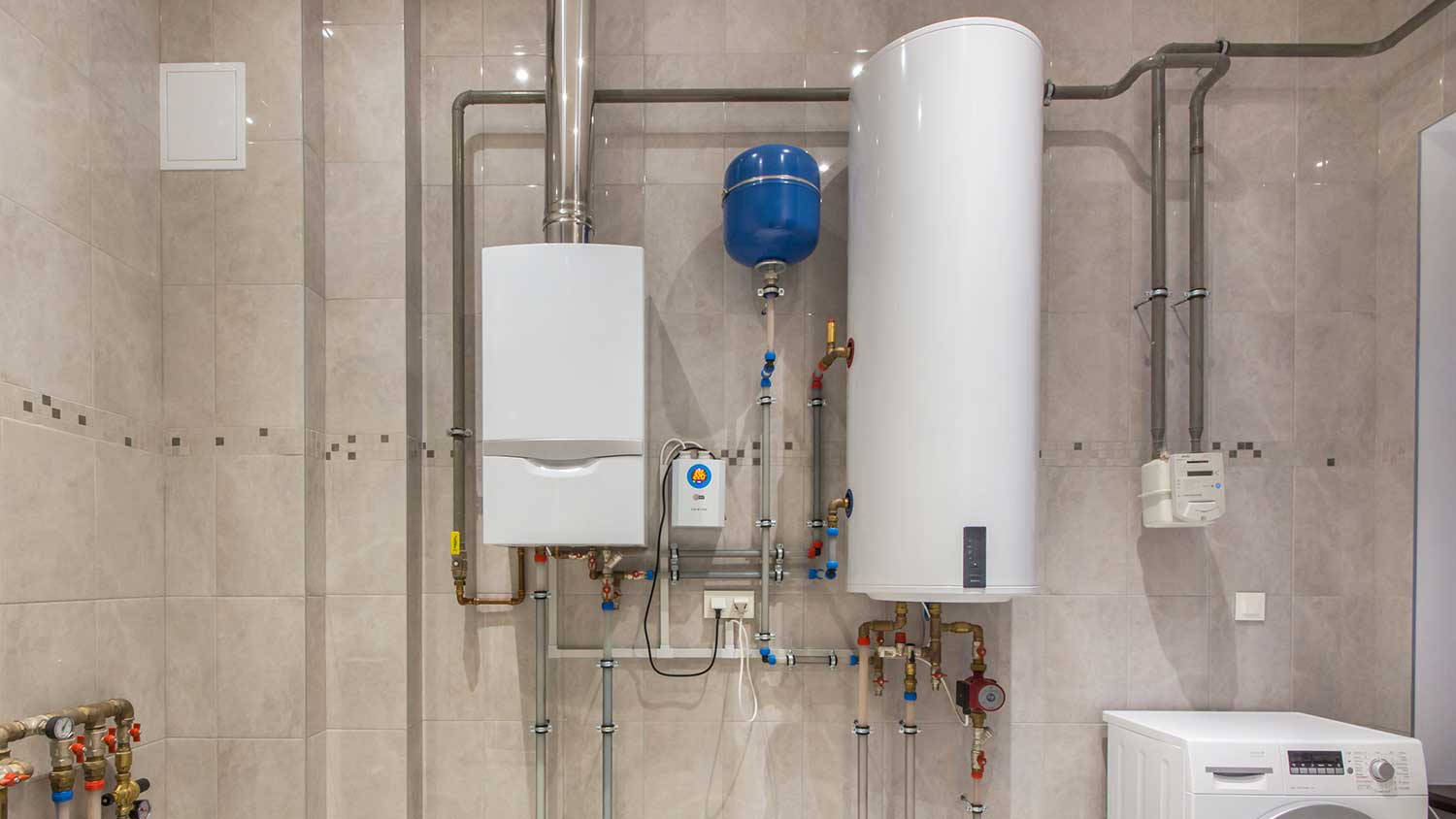
Discover the average electric boiler installation cost, key price factors, and ways to save. Get transparent, expert-backed estimates for your project.