



Top-rated lead testing and removal specialists.

Get matched with top lead testing and removal specialists in Fitchburg, MA

Enter your zip and get matched with up to 5 pros

Need a pro for your lead testing and removal project in Fitchburg, MA?

Select your specific project to find the pro for you.

Find Lead testing and removal specialists in Fitchburg

Avatar for Atner Group, LLC
Atner Group, LLC
5.0(
5
)
Toxic Lead - Abatement

Serving Fitchburg, MA and surrounding areas

Approved

In business since 2023

Free estimates

Emergency services offered

"Peter was great to work with and I’d highly recommend him. He was professional, a good communicator, and accommodating as changes came up to our project and helped to find solutions to unblock our lead remediation work alongside our home renovation happening at the same time."
Exterior Multi-Family
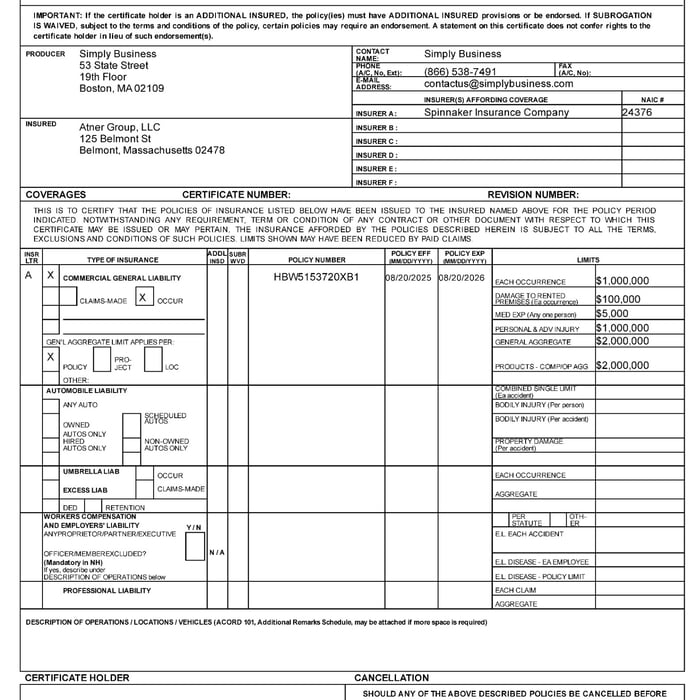
Liability Insurance

+17

2 neighbors recently requested a quote
Radon Systems LLC
5.0(
234
)
Toxic Lead - Testing

Serving Fitchburg, MA and surrounding areas

In business since 1985

Free estimates

Emergency services offered

"We were selling our house and the radon test came back high so we needed quick and effective service. The appointment was scheduled a week from our call. The technician arrived on time and helped identify the best location for the system that was both effective and as aesthetic as possible. The install went quickly and he took the time to explain how it worked and what we should look for in terms of monitoring and maintenance. Overall, it was a good experience."
Recommended by99%of homeowners

Showing 1-10 of 16
Lead Testing and Removal questions, answered by experts

With regular testing, treatment, and maintenance, water from a community well should be safe to drink. Unfortunately, the EPA does not regulate private wells, and contamination can happen. 

If you have doubts about the quality and safety of your drinking water, you have options for testing. You can pick up kits from your local home supply store or harvest samples and send them to a local testing facility. To get the most complete water quality testing and system diagnosis, seek a local well professional. They know what to test for and can recommend and implement a longer-lasting solution.

How you test for lead in your water depends on the source of your home's water supply. If you have municipal water, your local water system may offer to test the water for free or may connect you to a lab that will perform the testing.

If you have a private well that provides drinking water, you are responsible for testing it for lead. Look for a lab that is accredited by your state's Department of Environmental Protection to perform the test.

If lead is detected in a property, steps should include arranging for professional removal or containment, notifying all occupants, and implementing interim safety measures to reduce exposure.

A professional indoor air quality inspection takes anywhere from one to three hours, depending on the size of your home and the number of necessary samples. After the test, the specialist will discuss the findings, but you won’t get a full written report for 2 to 10 days, though you can ask your pro to expedite the process, if needed. 

According to the Environmental Protection Agency (EPA), hazardous waste is generally classified into four main categories:

1. Characteristic Wastes: These exhibit at least one of four hazardous traits: ignitability (flammable, like gasoline), corrosivity (can rust or decompose materials, like car batteries), reactivity (unstable and can explode, like aerosol cans), or toxicity (harmful when ingested, like lead-based paint).

2. Listed Wastes: These are specific wastes from manufacturing and industrial processes that the EPA has officially designated as hazardous. They include byproducts from processes that use solvents, pesticides, and other chemicals.

3. Universal Wastes: These are commonly generated hazardous items that are subject to streamlined regulations. Examples include batteries, pesticides, mercury-containing equipment (e.g., bulbs), and some lamps.

4. Mixed Wastes: This category includes waste that contains both hazardous and radioactive components, making it subject to regulation by both the EPA and the Nuclear Regulatory Commission.

The Fitchburg, MA homeowners’ guide to lead testing and removal services

From average costs to expert advice, get all the answers you need to get your job done.