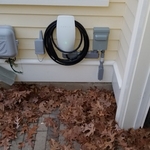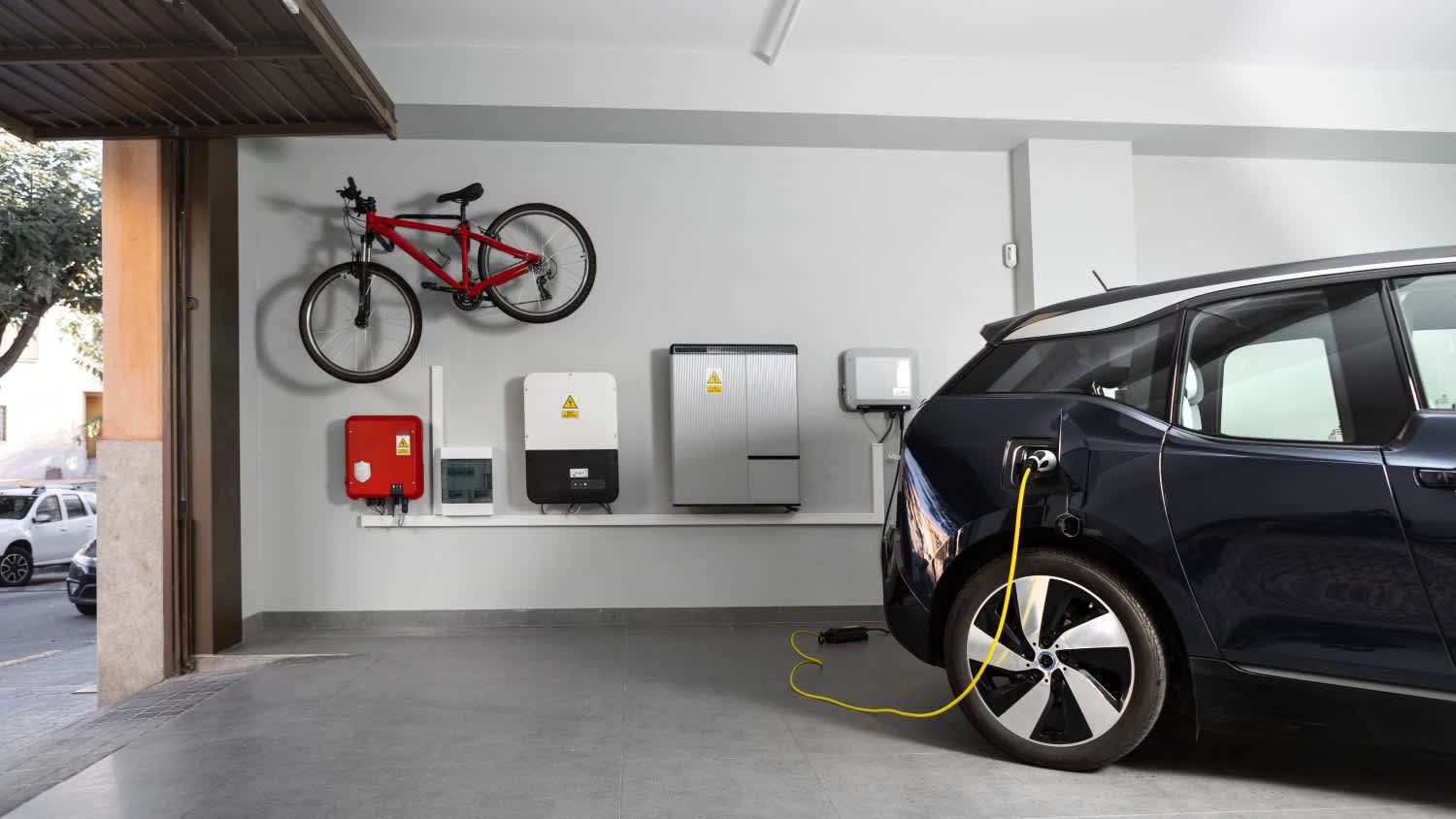



Top-rated ev charger installation pros.

Get matched with top ev charger installation pros in Fall River, MA

Enter your zip and get matched with up to 5 pros

Need a pro for your ev charger installation project in Fall River, MA?

Select your specific project to find the pro for you.

TRUSTED BY FALL RIVER, MA HOMEOWNERS

  • Average homeowner rating star icon4.6
    Average homeowner rating
  • Verified reviews icon546
    Verified ev charger installation services reviews

Find Ev charger installation pros in Fall River

Avatar for NEC Electric
NEC Electric
4.4(
261
)
Electric Vehicle Charging Station Installation - Materials Not Provided

Serving Fall River, MA and surrounding areas

Approved

In business since 2007

Free estimates

Warranties offered

"They have done numerous projects for us. This is included electrical for an addition to our house, installation of a generator, intakation of awhile house surge protector and installation of a new circuit panel.. they guarantee their work . Today and one other time they came back and fixed minor issues for free. They always show up on schedule and are very professional. There prices are competitive"
EV Charger Install
Exterior Service Upgrade
Decorative Lighting Install
67 neighbors recently requested a quote
Recommended by94%of homeowners
...
Showing 1-10 of 124
Ev Charger Installer questions, answered by experts

Setting up utilities on a vacant property usually takes at least a few months, or between 6 weeks to 16 weeks. This process requires working with the local planning and zoning department, hiring a building contractor or engineer to design the utility layout, securing permits, laying the lines, and connecting the utilities.

You can plug your electric car into a regular 120-volt household outlet only if you’re using a Level 1 charger. This method is slower and may take several days to fully charge your EV. For faster charging, you’ll need a Level 2 charger, which requires a 220- or 240-volt outlet.

Charging your EV every night isn’t always necessary. Most EVs have sufficient range to cover daily commutes without needing a nightly charge, particularly if you have a Level 2 charger. Charging once every few days or as needed can prolong the battery’s lifespan.

Local electricians with experience in your area understand the local building codes, which is very important when doing new electrical work. They also have experience with the kind of electrical problems homes in your location may have, and even the components that were used in the original construction, which leads them to make faster and better decisions.

Yes, electricians must be licensed, certified, and in most cases, insured. Licensing requirements vary by state and local municipality, but most U.S. municipalities require electricians to hold an electrical contractor’s license. It's always a good practice to confirm requirements with your local municipality. Even if licensing is not required in your area, hiring a licensed and experienced electrician often leads to a better end result.
A license is a legal requirement to operate a business and is necessary for pulling project permits. Certifications, on the other hand, are typically voluntary and demonstrate a certain level of expertise. In some cases, a certified electrician may send an apprentice or journeyman to perform the work, but they must operate under a primary electrician who holds the proper license.

Before hiring, you should verify the electrician's license, insurance coverage, and any third-party certifications. You can use Angi’s contractor licensing search to confirm a pro's license status. Additionally, businesses with the “Angi Approved” badge on our platform meet strict criteria, including having the required state and local licenses, passing a background check, and maintaining a high average rating.

The Fall River, MA homeowners’ guide to ev charger installation services

From average costs to expert advice, get all the answers you need to get your job done.