Top-rated lead testing and removal specialists.

Best lead testing and removal specialists near Cohasset, MA

Enter your zip and get matched with up to 5 pros

Need a pro for your lead testing and removal project in Cohasset, MA?

Select your specific project to find the pro for you.

Top-Rated Lead testing and removal specialists in Cohasset - Updated Nov 2026

Avatar for Indoor Environmental
Indoor Environmental
5.0(
56
)
Toxic Lead - Testing

Serving Cohasset, MA and surrounding areas

Approved

In business since 2009

Free estimates

Warranties offered

"Jon came by for a consult to look at some ugly looking black staining that was growing in my basement. He was very professional and punctual and thoroughly explained why it was not mold, but harmless mildew and how to rectify it. I was so appreciative for his integrity and honesty and I will absolutely use Indoor Environmental if I ever do get mold in my house."
3 neighbors recently requested a quote
Recommended by95%of homeowners
Avatar for Peter Atsiknoudas
Peter Atsiknoudas
5.0(
7
)
Toxic Lead - Abatement

Serving Cohasset, MA and surrounding areas

In business since 2001

Free estimates

Credit card accepted

"Peter came in under budget and work directly with the tenants to assure the least disruption in their lives. I would definitely recommend him for Lead Abatement work"
Residential Abatement

+32

Response time3 hrs
Recommended by100%of homeowners
Showing 1-10 of 19
Lead Testing and Removal FAQs, answered by experts

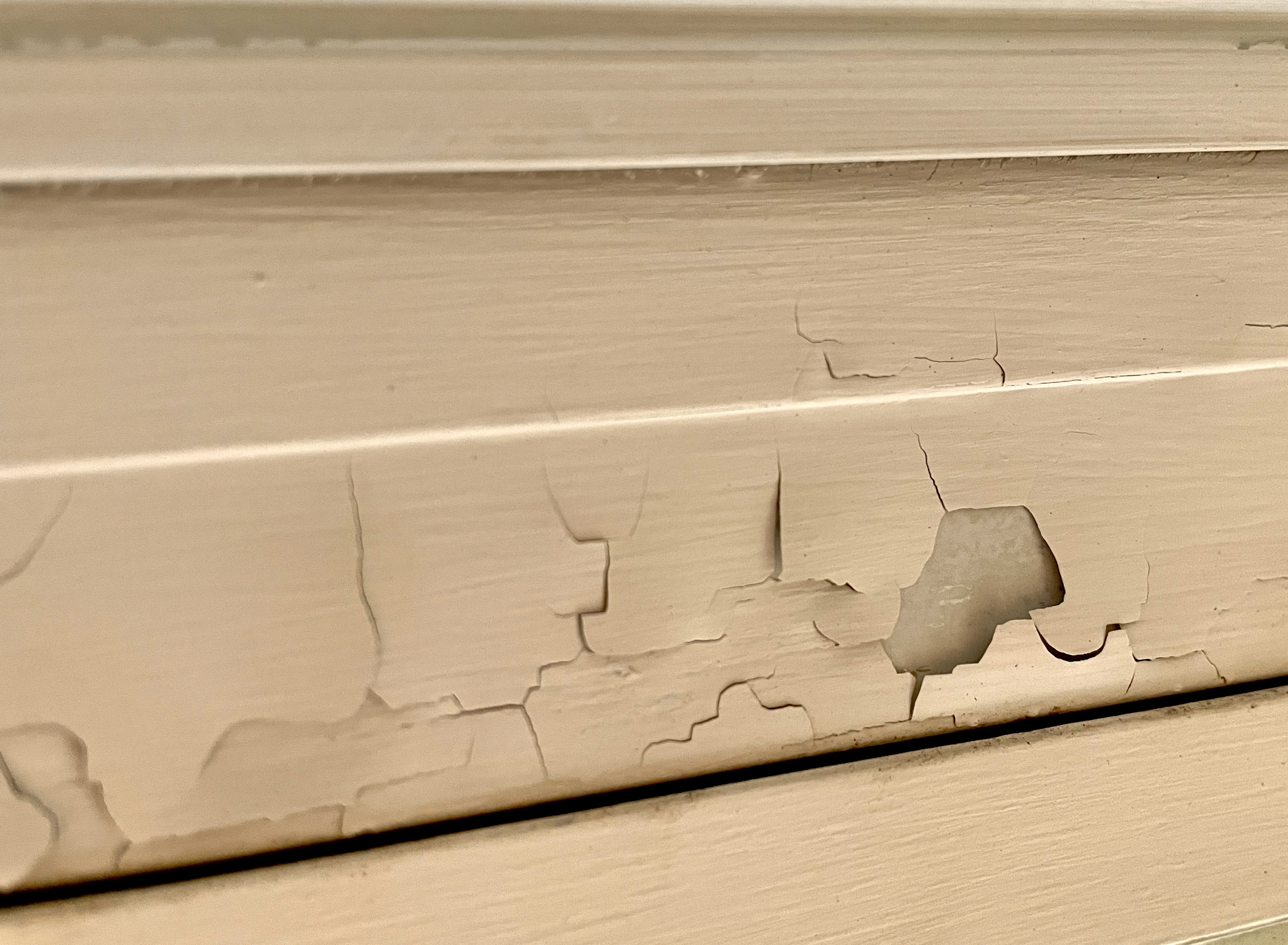
If the lead paint is in a place that is not easily disturbed and is not flaking or deteriorating, you do not necessarily need to remove it. Lead is toxic when dust particles or flakes from peeling lead paint are ingested. If people are not in the area with the lead paint, it may be safe to leave it in place. You still may want to consider encapsulation with a paint formulated for covering lead-based paint, just for an added layer of protection.

According to the Environmental Protection Agency (EPA), hazardous waste is generally classified into four main categories:

1. Characteristic Wastes: These exhibit at least one of four hazardous traits: ignitability (flammable, like gasoline), corrosivity (can rust or decompose materials, like car batteries), reactivity (unstable and can explode, like aerosol cans), or toxicity (harmful when ingested, like lead-based paint).

2. Listed Wastes: These are specific wastes from manufacturing and industrial processes that the EPA has officially designated as hazardous. They include byproducts from processes that use solvents, pesticides, and other chemicals.

3. Universal Wastes: These are commonly generated hazardous items that are subject to streamlined regulations. Examples include batteries, pesticides, mercury-containing equipment (e.g., bulbs), and some lamps.

4. Mixed Wastes: This category includes waste that contains both hazardous and radioactive components, making it subject to regulation by both the EPA and the Nuclear Regulatory Commission.
“Testing” can start with your senses: Assessing your water’s appearance, taste, and smell can all be good first steps. The best way to know for sure what’s going on with your water is to use a well water testing kit, which can tell you about the specific levels of bacteria, dissolved solids, and hardness of your water with precision. Have a pro test your well water at least once per year.
With regular testing, treatment, and maintenance, water from a community well should be safe to drink. Unfortunately, the EPA does not regulate private wells, and contamination can happen. 

If you have doubts about the quality and safety of your drinking water, you have options for testing. You can pick up kits from your local home supply store or harvest samples and send them to a local testing facility. To get the most complete water quality testing and system diagnosis, seek a local well professional. They know what to test for and can recommend and implement a longer-lasting solution.
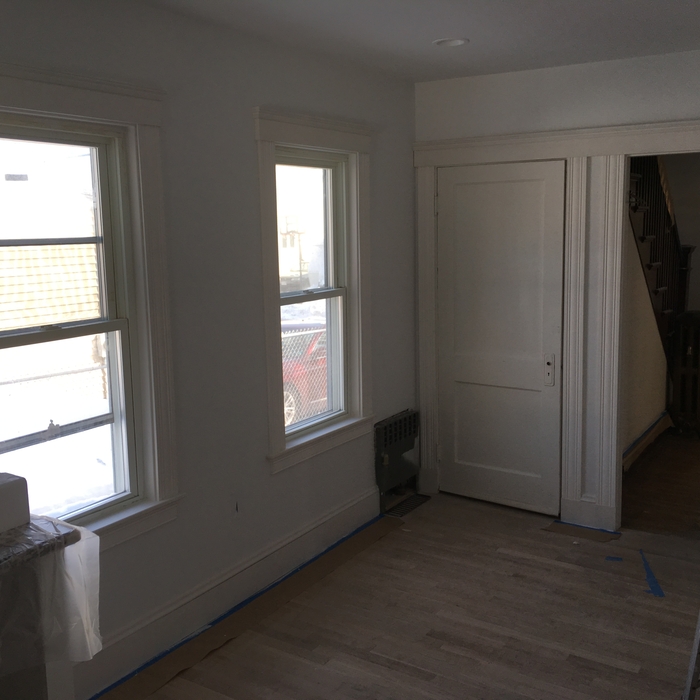
Structural problems with the foundation or roof, water damage, and significant plumbing or electrical issues are all considered major red flags in a home inspection. Of these, a structural problem related to the foundation is often the most severe. Foundation repairs are typically the most expensive and intrusive to carry out, averaging around $5,000 but sometimes reaching up to $16,000. Because these problems can pose safety risks and be costly to fix, you should ask your inspector detailed questions about any identified issues. You will need to carefully consider how major problems affect what you’re willing to pay for the home, or if you want to proceed with the sale at all.

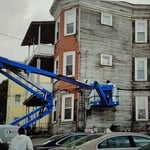
The Cohasset, MA homeowners’ guide to lead testing and removal services

From average costs to expert advice, get all the answers you need to get your job done.