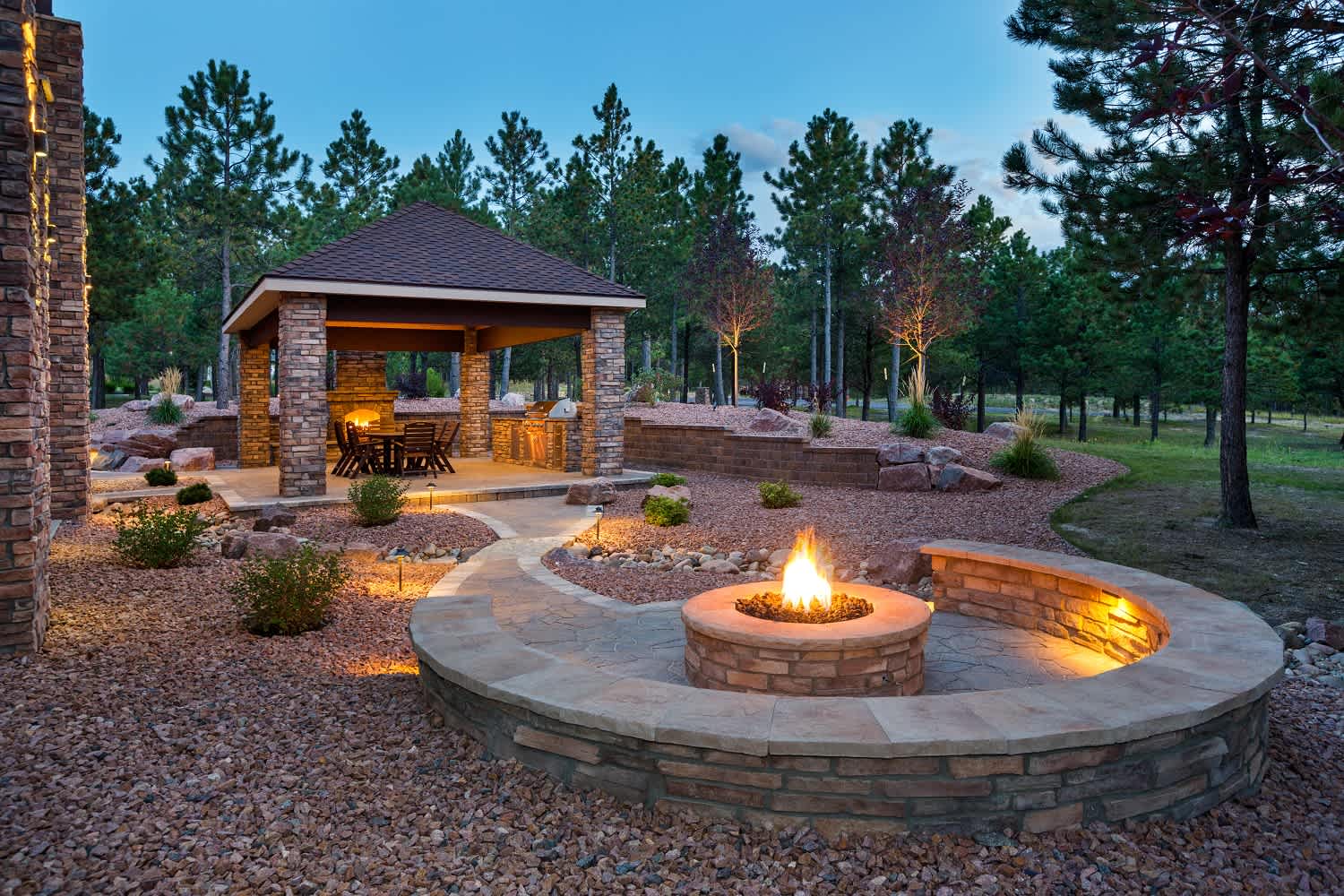




Top-rated fire pit installation pros.

Get matched with top fire pit installation pros in Carver, MA

Enter your zip and get matched with up to 5 pros

Need a pro for your fire pit installation project in Carver, MA?

Select your specific project to find the pro for you.

TRUSTED BY CARVER, MA HOMEOWNERS

  • Average homeowner rating star icon4.4
    Average homeowner rating
  • Verified reviews icon355
    Verified fire pit installation services reviews

Find Fire pit installation pros in Carver

Avatar for Jr’s The Handyman
Jr’s The Handyman
5.0(
9
)
Handyman for Multiple Small Projects

Serving Carver, MA and surrounding areas

Approved

In business since 2025

Free estimates

Emergency services offered

"Jr is the best. He is responsive and gets things done fast. Most importantly Jr is trustworthy. I can leave the keys with him and trust that the work will get done in time with quality at reasonable cost."
4 neighbors recently requested a quote
...
Showing 1-10 of 222
Fire Pit Installation questions, answered by experts

The damper, located just above the firebox, can open or close the chimney flue. The damper should remain closed unless there’s a fire burning in the fireplace. Closing the damper prevents energy loss through the chimney and cold air from seeping into the home during the winter. Opening the damper helps maintain airflow when there is a fire and prevents smoke and gases from venting into the house.

Generally, an oil furnace is considered safer than a gas furnace for several reasons. While both types of furnaces can produce carbon monoxide, a leak in an oil furnace is easier to detect due to the smell. Oil furnaces also don't connect to a gas pipeline, which reduces the chance of a fuel leak. Most importantly, heating oil is not combustible, whereas natural gas is highly flammable. This means there is a much lower risk of combustion or explosion with an oil furnace. However, an oil furnace can still pose a fire hazard if it tips over.

One of the best ways to know your chimney is good to go on any given night is to simply look up into your flue with a flashlight. If you see a thick buildup of creosote—a shiny, dark substance that looks like tar—it’s best to have your fireplace professionally cleaned before you go ahead with the burn. Additionally, having your fireplace professionally inspected once per year can also help increase your peace of mind and keep your family and your home safe.

Once your ashes have fully cooled, you can place them in a heavy-duty trash bag and put them into the bin with your normal trash. If you have wood ash, you can add the ash to your composting pile or sprinkle it over your grass or plants directly for added nutrients.

While a hot fire can help heat up and loosen tar within your chimney, making it a recommended step before using a creosote log, it will not burn off significant existing buildup on its own. Attempting to remove built-up creosote with a hot fire is dangerous and can cause a chimney fire. For safe and effective removal of caked-on creosote, the best approach is to hire a professional chimney sweep.

The Carver, MA homeowners’ guide to fire pit installation services

From average costs to expert advice, get all the answers you need to get your job done.