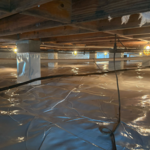
MidSouth Crawlspace Solutions protects and restores homes from the ground up. We specialize in crawlspace repair, foundation repair, basement waterproofing, concrete lifting and leveling, slab repair, and moisture control solutions.\n\nOur team provides thorough inspections, clear explanations, and photo documentation so homeowners fully understand both the problem and the solution. We focus on permanent fixes, not temporary patches, using industry-leading products and proven systems.\n\nWhether you’re dealing with sagging floors, standing water, cracked foundations, musty smells, rotten subfloor, broken crawlspace beams, or uneven concrete, we deliver professional service, honest recommendations, and long-term peace of mind. We treat every home like it’s our own and strive to exceed expectations on every project.
We take great pride in our experience, expertise, quality, and customer service that we provide to meet the consumers' needs. It is our mission to provide excellent workmanship, and complete customer satisfaction from start to completion of a project. In order to understand the needs, and expectations of our customers, we take great care to work, and communicate with every customer in a professional manner. Our reputation is based on service, safety, and quality, regardless of how large or small the job.
We specialize in plumbing services, repairs, inspections, installations, drain cleaning, and more! We guarantee your satisfaction, and we won’t leave until the job is done right. We pride ourselves on the quality work we provide, while delivering great customer service! Check out all the services we offer below and call -or- click to schedule a free estimate today!
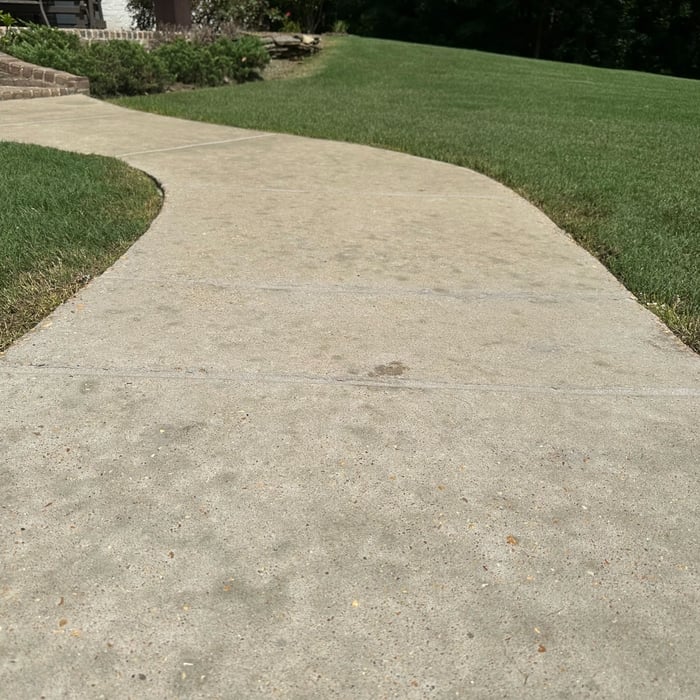
We specialize in concrete services, repairs, pouring, leveling, driveways, walkways, patio slabs, and more! We guarantee your satisfaction, and we won't leave until the job is done right. We pride ourselves on the quality work we provide, while delivering great customer service! Check out all the services we offer below and call -or- click to schedule a free estimate today!
\n
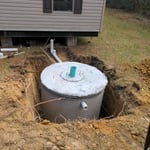
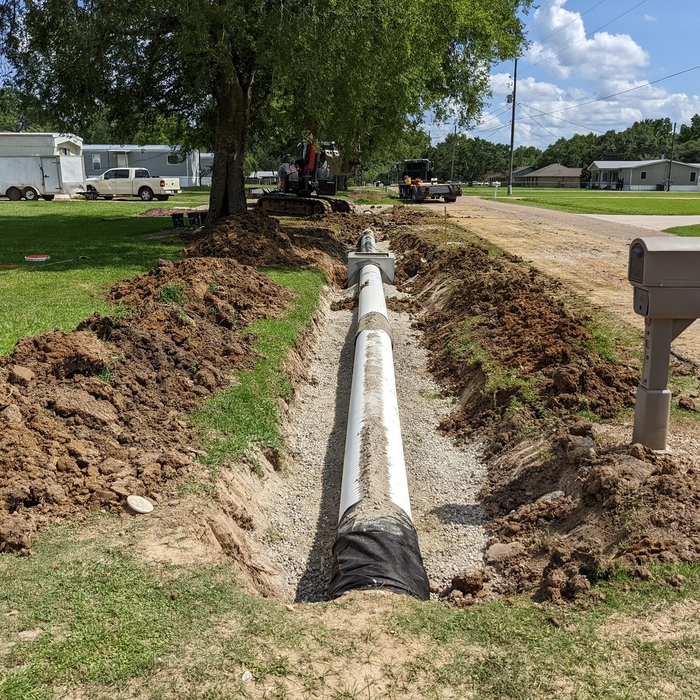
We are a family owned company providing affordable and environmentally safe sewer treatment systems. We install and repair septic tanks, culverts, liftstations, and much more.
With over 8 years experience the home improvement industry Simmons Construction and Home Improvement, is your industry expert in the area. We pride ourselves on our extreme professionalism and attention to detail. Our customer satisfaction guarantee will assure you we will not leave your property until you are completely satisfied with our work. As a veteran and family owned and operated business you can trust that we will treat your home as we would treat our own. Give us a call today we look forward to working with you!
Hi, my name is Braden Cazes, owner of GC Property Restoration. We are a locally owned company dedicated to providing reliable, high-quality restoration and property improvement services. We take pride in honest communication, attention to detail, and making sure every job is completed the right way.\n\nAt GC Property Restoration, customer satisfaction is our top priority. Whether it’s repairs, renovations, restoration work, or general property improvements, we work hard to deliver professional results at a fair price. We appreciate every opportunity to earn our customers’ trust and look forward to helping bring your project to life.
Looking for a dependable landscaping service that gets the job done right? I specialize in consistent, high-quality lawn care, grass cutting, and yard maintenance. I run well-maintained equipment to ensure there are no delays, and I bring a strong work ethic to every single job. My goal is to provide straightforward, reliable service you don't have to worry about.
Hey my name is Victor and I offer a profesional Lawncare & landscape service, I do mulch installation, flower bed clean up, shrubs trimming, tree pruning & take down.
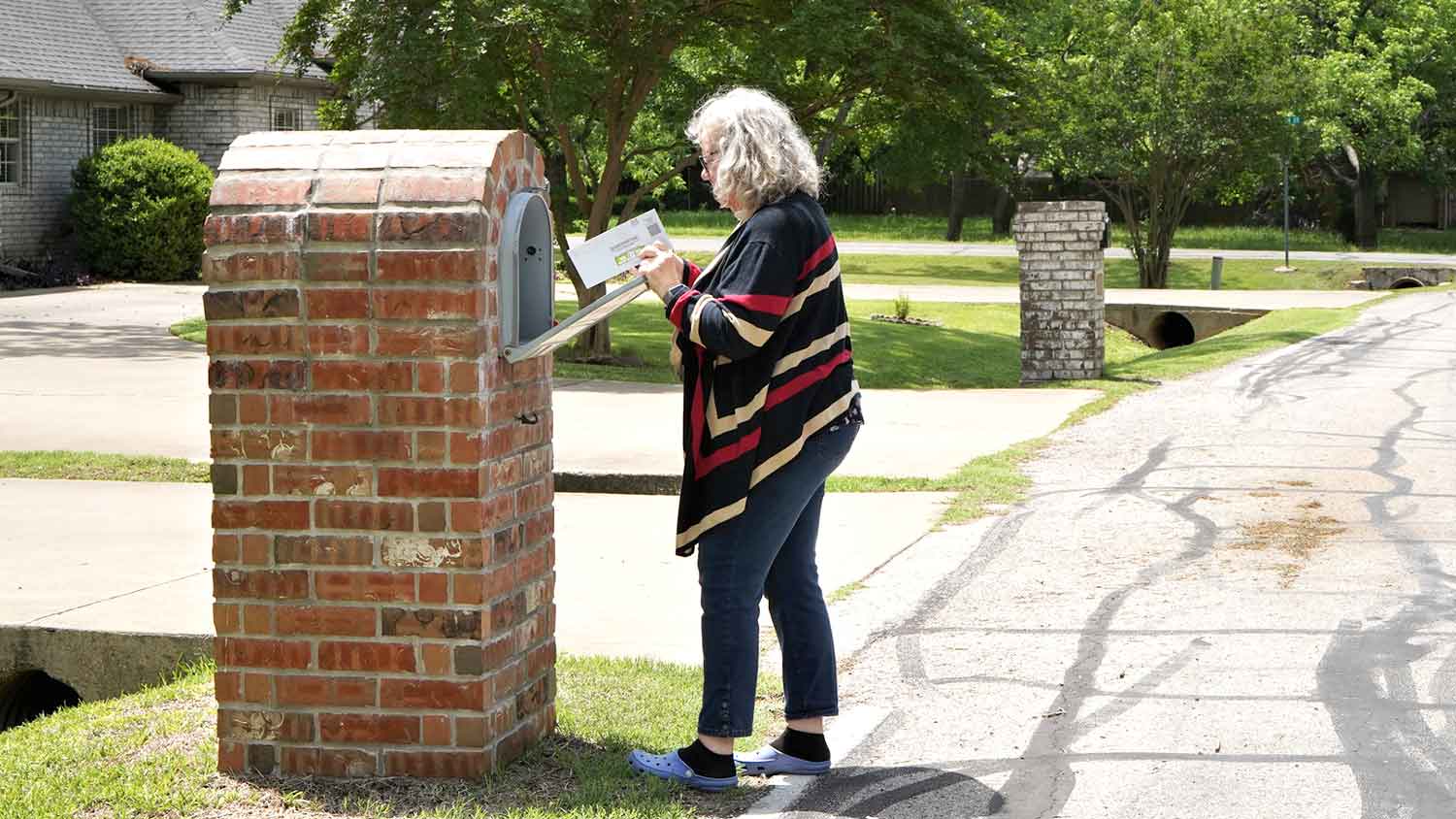
You can use adhesive strips to hang lights on brick—just make sure you get outdoor mounting tape and not just any old double-sided tape for your project.
Yes, concrete is significantly stronger than masonry, especially if the concrete pour includes reinforcements, like steel rebar. Concrete is a uniform material that can withstand compression, sheer force, and tensile force as long as it’s reinforced. Masonry involves the use of mortar or grout to connect individual building materials, like brick, stone, or tile. Mortar and grout are also reasonably strong and resist compression well, but they don’t come close to the strength of poured concrete.
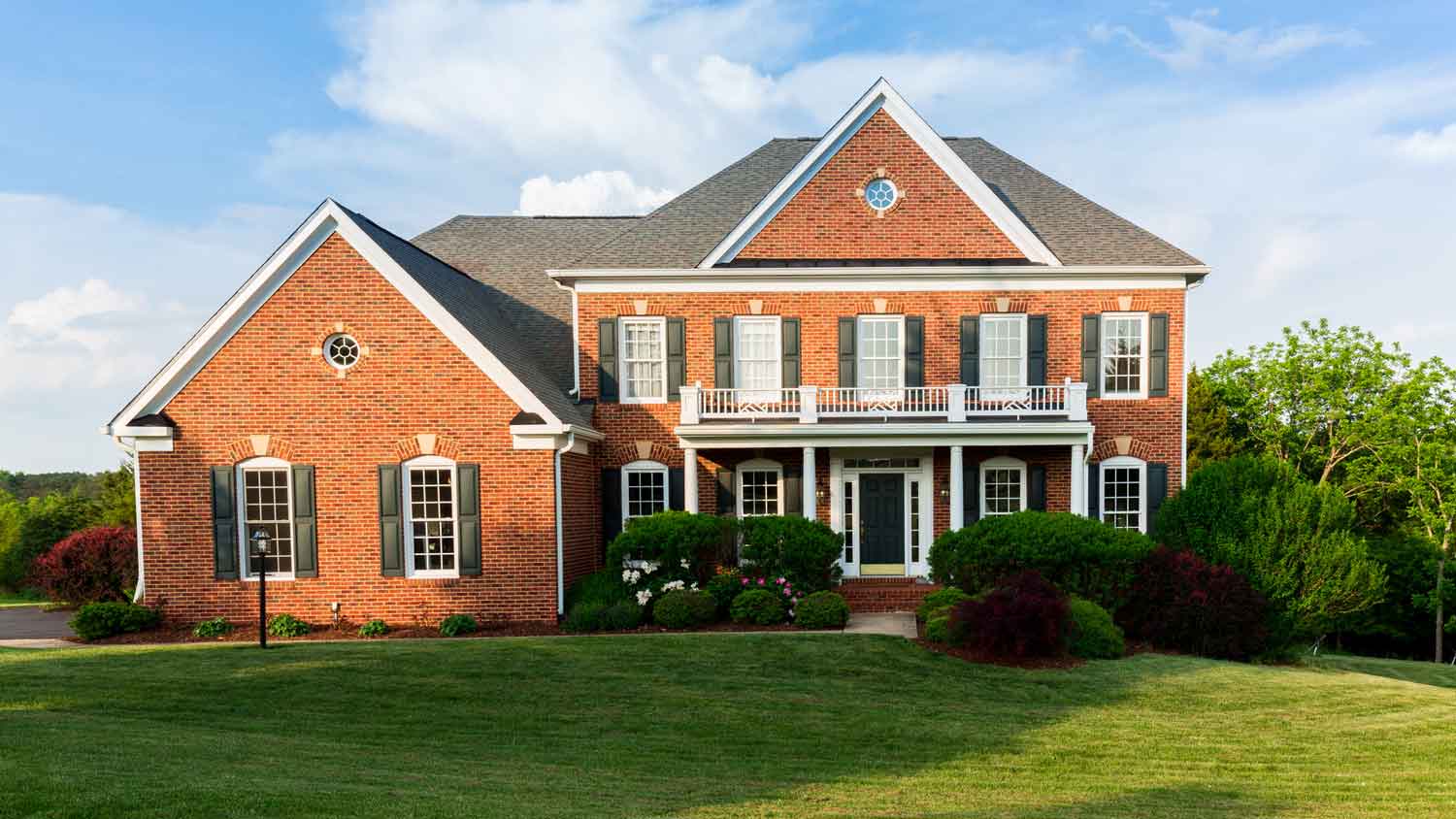
If you want to make your home eco-friendly, enjoy low maintenance, and love the fact that its looks will take people’s breath away (and not because they were trying to blow your house down), then a modern brick home is right for you. You can hire a mason to get the building process started for your brick home.
But if you’re not fond of the color and don’t want to deal with the process of repointing or other repairs, consider going with vinyl or wood. These materials offer a lower cost. While they tend to require more maintenance, they don’t cost nearly the same as exterior brick house repair.
Brick is the closest choice when seeking to capture the timeless look of stone with a more practical and budget-friendly option. When comparing stone versus brick siding, the price range of $200,000 to $400,000 for average brick home construction is dramatically lower compared to the cost of building a stone home. If you'd like to keep the stone aesthetic without the cost, stone veneer and manufactured stone are both less expensive than real stone.
When painting brick, each application method has distinct advantages and disadvantages. Spraying is significantly faster but may not penetrate deeply beyond the surface layer. Rolling is effective for working paint into the brick's texture but can be less effective on mortar joints. If you opt for a roller, choose a thick nap of at least a half-inch to ensure paint gets into all the crevices for even coverage. Using a brush is generally not recommended as it is very time-consuming and provides poor surface penetration. Ultimately, a combination of spraying followed by back-rolling is often the best strategy for a durable and even finish.
The New Roads, LA homeowners’ guide to masonry services
From average costs to expert advice, get all the answers you need to get your job done.
Need to repoint brick in your home to make your home look fresh and new? Use this guide to repointing brick cost to price out your project before starting.
Door or window lintel replacement costs $400 on average, but there are ways you can save. On the other hand, complicated work will increase costs considerably.
When it comes to masonry versus concrete, it can be easy to confuse the two. Use this guide to learn about the differences in appearance, strength, and more.
Discover the wide variety of masonry materials for your next home upgrade project. Our guide covers the different types of materials to choose from and more.