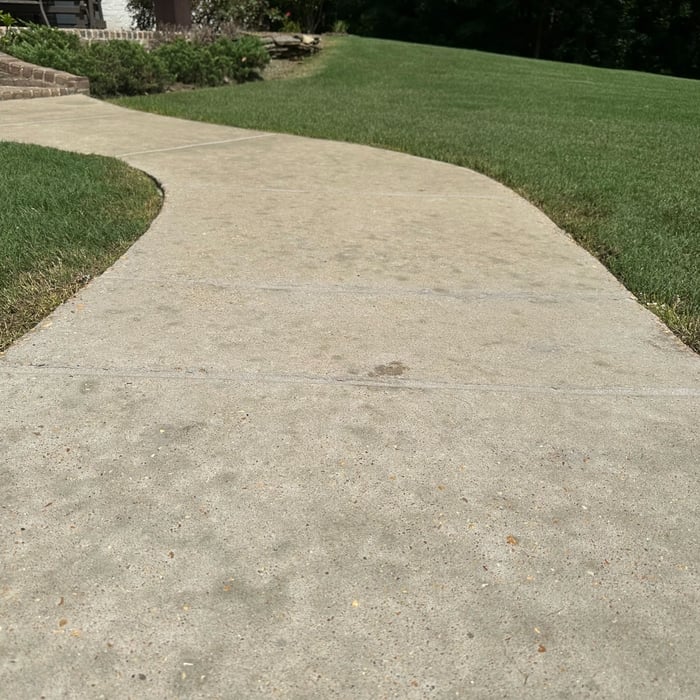






Top-rated masons.

Get matched with top masons in Slaughter, LA

Enter your zip and get matched with up to 5 pros

Need a pro for your masonry work project in Slaughter, LA?

Select your specific project to find the pro for you.

Find Masons in Slaughter

GC Property Restoration
New to Angi

Serving Slaughter, LA and surrounding areas

Approved

Emergency services offered

Small jobs welcome

Credit card accepted

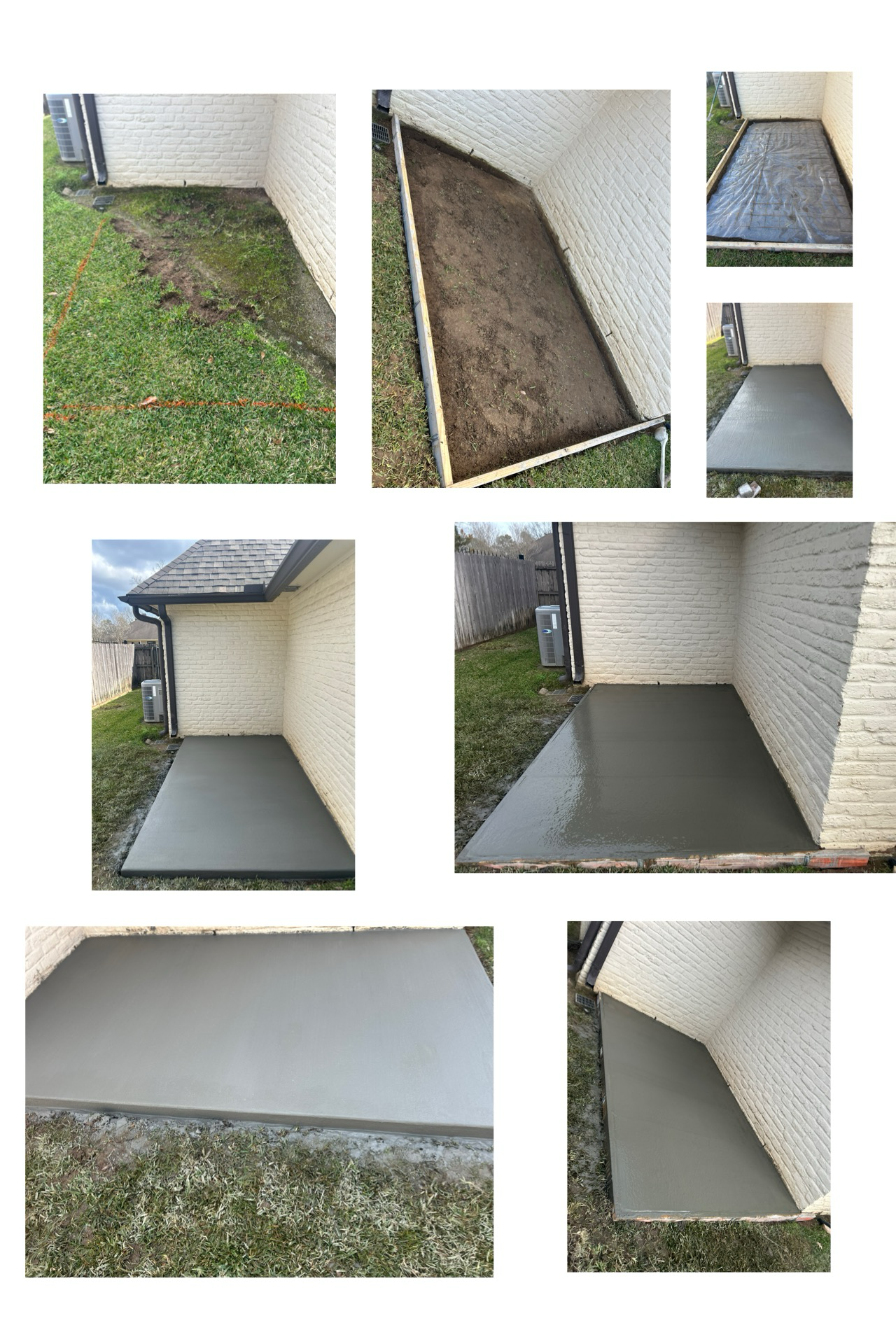
Hi, my name is Braden Cazes, owner of GC Property Restoration. We are a locally owned company dedicated to providing reliable, high-quality restoration and property improvement services. We take pride in honest communication, attention to detail, and making sure every job is completed the right way.\n\nAt GC Property Restoration, customer satisfaction is our top priority. Whether it’s repairs, renovations, restoration work, or general property improvements, we work hard to deliver professional results at a fair price. We appreciate every opportunity to earn our customers’ trust and look forward to helping bring your project to life.

...
Showing 1-10 of 107
Masonry questions, answered by experts

Clean regularly, check for cracks, and inspect the chimney annually for safety.

Brick and stone are durable, low-maintenance materials for siding and walls that offer excellent insulation, aesthetic appeal, and can increase property value.

It is possible, albeit a lot slower, to break up a rock using water. You would do this by freezing and thawing the water. You could create some initial holes or cracks in the rock, then pour water into the cracks or holes and allow them to freeze (so it's best to do this in winter or in colder climates). Since water expands when it freezes, this puts pressure on the inside of the rock and causes it to crack. You could continue to pour more water in and let it freeze to continue to break up the rock.

Mortar and thinset both serve the same purpose—tile adhesion—but have different compositions and use-cases. Thinset is heatproof and presents a wide range of possibilities due to the added polymers. Mortar is typically used for bonding stones and brick. Thinset is rarely used outside, while mortar is rarely used inside.

On average, a quality exterior brick stain can last between 10 and 20 years, and sometimes even longer. While it will look its best for a minimum of three to five years, its total lifespan depends on several factors. These include the quality and type of stain used, the condition of the brick, and the thoroughness of the surface preparation, such as proper cleaning. Following the manufacturer's application instructions and applying a sealant as a final step is also crucial. The stain's longevity can be affected by your location, climate, and the brick's exposure to harsh weather, high traffic, and other elements. Over time, the stain may begin to fade or look dingy due to weathering, erosion, dirt, and debris. Compared to paint, brick stain generally has a longer lifespan.

The Slaughter, LA homeowners’ guide to masonry services

From average costs to expert advice, get all the answers you need to get your job done.