
Top-rated plaster repair specialists.

Get matched with top plaster repair specialists in Monroe, LA

Enter your zip and get matched with up to 5 pros

Need a pro for your plaster repair project in Monroe, LA?

Select your specific project to find the pro for you.

TRUSTED BY MONROE, LA HOMEOWNERS

  • Average homeowner rating star icon4.7
    Average homeowner rating
  • Verified reviews icon20
    Verified plaster repairs reviews

Find Plaster repair specialists in Monroe

Avatar for Wired 2 Build
Wired 2 Build
5.0(
2
)
Plaster - RepairPlaster - Repair - For Business

Serving Monroe, LA and surrounding areas

In business since 2021

Free estimates

Small jobs welcome

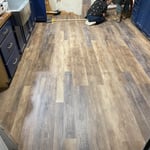
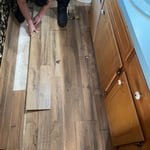
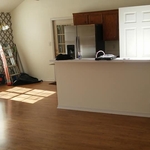
"Wired 2 Build, Joe Boyd and son Justin Boyd, were an absolute team in the replacement of Kitchen and bedroom floors. They had to tear out old rotted floors, re-level house, install new floor joists, install 3/4 inch plyboard, and installed laminate flooring on top of plyboard. New molding was installed all around walls. They did an excellent job in an above reasonable time-frame. I would highly recommend his professional services. He was reasonably priced. Will hire again for future home remodeling."
Response time6 days
Recommended by50%of homeowners
Crabtree's Drywall
New to Angi
Plaster - Repair

Serving Monroe, LA and surrounding areas

In business since 2015

Free estimates

Welcome to Crabtree's Drywall! We are the premier professional home improvement company in West Monroe. We specialize in drywall installations and repairs, interior painting, and custom interior trim! We offer the highest quality and most attentive customer service. We are known to pay exquisite attention to detail while making customer satisfaction our top priority. \n\nWhether your project involves minor repairs or a complete drywall hanging, we are glad to be your number one choice. \n\nPlease call us today to schedule your appointment! \n

Showing 1-10 of 32
Plaster Repair questions, answered by experts

If your premixed drywall mud is dried out or has begun to set in the bucket, you may be able to revive it by adding warm water and stirring. However, the first and most important step is to scrape off any hard, dried bits of drywall that may have accumulated toward the top of the container and throw them away because they will not easily reconstitute back into the drywall mud mix.

Smaller is better when patching holes with spackle. Any holes wider than four to six inches in diameter tend to be too wide to repair with spackle alone. You'll likely want to patch bigger holes with a drywall panel. 

Even holes measuring up to 6 inches may be challenging to fill with spackle alone. For best results, purchase a wall repair patch made from wire mesh. Cut the patch to fit over the hole, then use the spackle to hold it in place. Apply the spackle over the patch as you would for a smaller hole.

With its breathability and flexibility, lime plaster is among the most durable of all plaster types. It's also fire-resistant and has a proven track record, as people have been using it for thousands of years.

However, all plaster types will last for many years with the right care and treatment. Proper preparation and installation will also help ensure your plaster walls look great for as long as possible.

Plastering and skimming are two different techniques for finishing walls. Plastering involves applying a thick layer of a plaster mixture—typically containing gypsum, lime, cement, sand, and water—to create a new surface. This process often requires multiple coats and is used for repairing significant damage or creating decorative textures. Skimming, on the other hand, is a technique that involves applying a thin layer of drywall compound or joint compound over an existing surface to smooth it out, covering minor imperfections, small cracks, or uneven textures for a polished look. Plastering is generally more costly and labor-intensive than skimming. Although some people use the terms interchangeably, they refer to different processes and materials.

Yes, you can apply new plaster over an existing plaster surface, such as a wall or ceiling, provided the old plaster is in good condition. Before you begin, check the stability of the existing plaster. The surface must be clean, free of loose material, and have no peeling paint. It is also recommended to roughen the surface slightly to promote adhesion. For older plaster, applying a base coat like a PVA emulsion or a specific bonding agent or primer is crucial. This step makes the existing plaster less porous and ensures the new and old layers adhere properly for a smooth, long-lasting finish.

The Monroe, LA homeowners’ guide to plaster repairs

From average costs to expert advice, get all the answers you need to get your job done.