


Top-rated asphalt driveway pros.

Get matched with top asphalt driveway pros in LaPlace, LA

Enter your zip and get matched with up to 5 pros

Need a pro for your asphalt driveway service project in LaPlace, LA?

Select your specific project to find the pro for you.

Find Asphalt driveway pros in LaPlace

Avatar for Precision Paving and Sealcoating
Precision Paving and Sealcoating
4.4(
35
)
Asphalt Paving - Install- For BusinessAsphalt Paving - Repair or PatchAsphalt Sealing+1 more

Serving LaPlace, LA and surrounding areas

Approved

In business since 2015

Free estimates

Emergency services offered

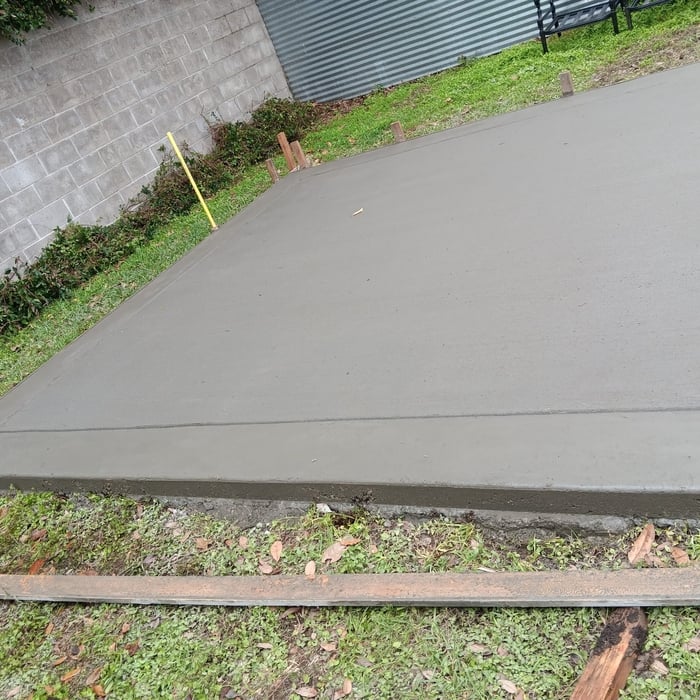
"Josh came out and sealcoated my driveway, I had a large driveway that was surrounded by concrete and he did not get any sealer on the concrete I am very happy, Josh is also a very kind person to do business with. Highly recommended."
Response time2 days
Response rate89%
Recommended by84%of homeowners
...
Showing 1-10 of 229
Asphalt Driveways questions, answered by experts

Regular cleaning, sealing, and timely repair of cracks help maintain its condition.

When asphalt cures, it typically changes from a very dark black hue to a lighter, more matte gray color. Cured asphalt also won’t be tacky or sticky to the touch or emit any odors from the asphalt mix. Additionally, the surface of fully cured asphalt won’t deform under any pressure.

The choice between asphalt and concrete depends on your priorities, budget, and climate.

Concrete is generally more durable, lasting up to 50 years with minimal upkeep, and offers more customization options like staining and stamping, which can add more to a home's value. However, it is more expensive upfront and can be prone to cracking in cold climates where water can freeze and expand.

Asphalt is typically cheaper and quicker to install and is easier to repair. It performs better in colder climates. However, it requires more maintenance, including regular resealing, has a shorter lifespan, and can get hot and sticky in intense sunlight.

Ultimately, if durability and long-term value are key, concrete is often the better choice. If upfront cost and performance in cold weather are more important, asphalt may be preferable.

Instead of a set number of types, asphalt comes in variations designed for different needs. Some are categorized by temperature—hot mix, warm mix, and cold mix. Others are sorted by composition, like dense-graded, gap-graded (such as Stone Matrix Asphalt), porous, and mastic asphalt. There are also modified versions with added compounds like polymers, rubber, or emulsions. Instead of focusing on a number, it may be more useful to understand how contractors customize asphalt for durability, climate, and traffic conditions.

Asphalt and tarmac are not the same thing. Traditional tarmac, short for tarmacadam, uses tar as a binder to hold crushed stone together. Asphalt uses bitumen—a byproduct of crude oil—to bind aggregate. Though tarmac was once a go-to for roads, asphalt has become the modern standard. And these days, most surfaces referred to as “tarmac” are actually asphalt. So, while the names may overlap, the key distinction lies in the binder—tar for tarmac and bitumen for asphalt.

The LaPlace, LA homeowners’ guide to asphalt driveway services

From average costs to expert advice, get all the answers you need to get your job done.