

Top-rated drywall pros.

Get matched with top drywall pros in Keithville, LA

Enter your zip and get matched with up to 5 pros

Need a pro for your drywall service project in Keithville, LA?

Select your specific project to find the pro for you.

TRUSTED BY KEITHVILLE, LA HOMEOWNERS

  • Average homeowner rating star icon4.5
    Average homeowner rating
  • Verified reviews icon18
    Verified drywall services reviews

Find Drywall pros in Keithville

Avatar for Reed Remodeling
Reed Remodeling
5.0(
3
)
Drywall - RepairDrywall - Install

Serving Keithville, LA and surrounding areas

Approved

Free estimates

Small jobs welcome

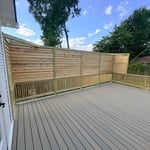
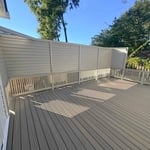
"Reed is an amazing craftsman. He built this beautiful deck for me but he has done countless other projects for both me and my daughter and son-in-law. He has painted, repaired drywall, rebuilt a fireplace, built custom cabinetry, done landscaping projects, replaced flooring and many other projects. He is kind, incredibly skilled and makes sure everything is done perfectly. We consider him part of our family now! I highly recommend Reed!!!"
Deck rebuild
Deck rebuild
4 neighbors recently requested a quote
Avatar for Airline Construction
Airline Construction
4.9(
29
)
Drywall - Repair

Serving Keithville, LA and surrounding areas

In business since 2017

Emergency services offered

Warranties offered

"Had a leak from my roof and had wet drywall in my kitchen Cieling. They came in and replaced the section retextured and repainted the whole area. Very professional"
Repaint
Repaint
Repaint
Before
Before

+15

Response time1 day
Response rate88%
Recommended by95%of homeowners
Avatar for Float N Coat LLC
Float N Coat LLC
5.0(
5
)
Drywall - InstallDrywall - Install - For BusinessDrywall - Repair+1 more

Serving Keithville, LA and surrounding areas

In business since 2005

Free estimates

Credit card accepted

"Overall I was very satisfied with the work.  The true measure of a company is how they respond when things don't go perfectly.  I had a few minor issues during the painting.  The painter accidentally knocked over a vase and broke it.  He felt terrible and apologized profusely.  Float n' Coat immediately reimbursed me for the vase.  Accidents happen and I was pleased with the way it was handled and how I was treated. 
Both Jason and Patrick were very professional and the walls/ceilings look great.  They made sure I was satisfied completely before leaving and calling the project complete.
"
Additional Photos
Additional Photos
Additional Photos
Recommended by100%of homeowners
...
Showing 1-10 of 145
Drywall questions, answered by experts

There are six levels of drywall finish, from 0 to 5, that refer to the amount of work performed during the finishing process.

Level 0: Drywall is hung with no finishing work.

Level 1: Tape is placed over the seams between drywall sheets.

Level 2: A thin layer of mud is applied over the tape and screw holes. This level is common for utility rooms or walls that will be covered.

Level 3: A full coat of mud covers the screw holes and tape, but the surface is not sanded. This is often used in garages.

Level 4: This is the most common finish for visible interior walls. It involves applying two coats of mud over seams and screw holes, with sanding between each coat, creating a smooth surface ready for flat paint.

Level 5: This is a high-end finish for luxury homes. It includes full taping, mudding, and sanding, plus a final skim coat over the entire surface before painting.

If the holes in the plaster are small, you can fill them with layers of patching plaster until they’re filled. After it dries, you can sand the plaster and paint over it. If the hole is much larger, consider using bonding plaster first and then a layer of patching plaster, completing the process with sanding and a layer of paint.

Although they have similar applications, spackle and joint compound are not the same. Their primary differences lie in their composition, consistency, and ideal use cases.

Spackle is composed of gypsum and binding agents, making it thicker than joint compound. It dries quickly and is easy to sand, which makes it ideal for small wall repair projects like filling nail holes or patching minor damage.

Joint compound, also known as drywall mud, consists of limestone and gypsum. It is primarily used for large-scale projects, such as taping and finishing the seams on newly installed drywall. It tends to shrink more than spackle and can be more difficult to spread.

While both products can be used to fill small depressions and cracks, spackle cannot replace joint compound for taping and mudding new drywall. Conversely, you can often use joint compound for small patching jobs typically done with spackle.

The age of your home can clue you in to whether you have plaster or drywall ceilings. Homes built after the ‘70s are more likely to have drywall ceilings and walls, while older homes have plaster. You can also do the pushpin test: A pushpin will go into drywall, whereas it’s much harder to push one into a plaster wall. If you’re still unsure, ask a drywall professional to let you know which type of ceilings and walls you have.

If your home was built before the 1940s and was not remodeled in the past 50 or so years, you probably have plaster walls. Aside from assuming, there are some practical ways to tell if you have plaster walls, including the following: If you knock on the wall and it feels solid, not hollow, if you can’t insert a thumbtack easily, if there are cracks that look like spiderwebs, or if your home has curved, arched, or swirled walls, doorways, or window openings.

If you have an unfinished basement or attic, you could examine the backs of any finished walls to check, too.

The Keithville, LA homeowners’ guide to drywall services

From average costs to expert advice, get all the answers you need to get your job done.