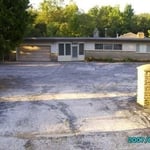
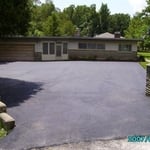
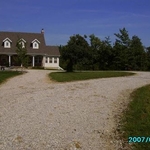
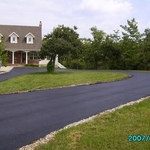
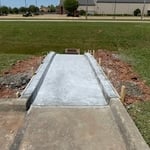
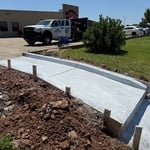
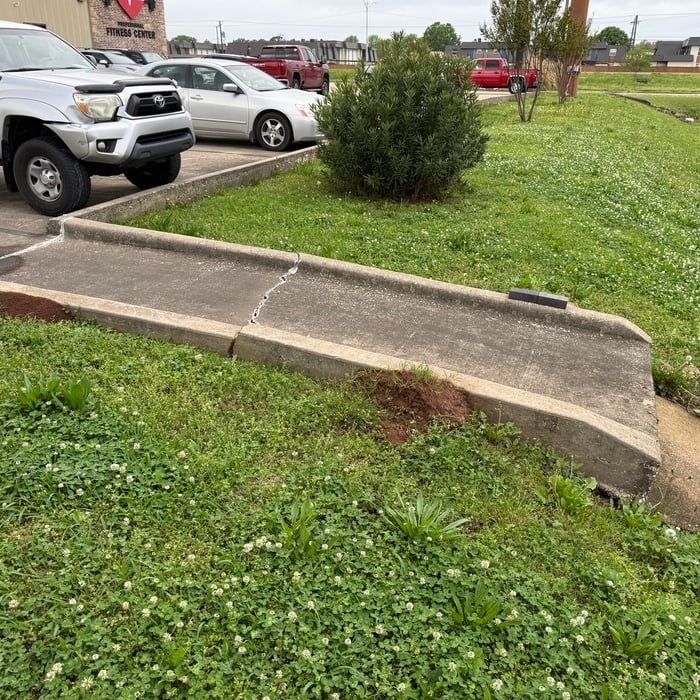
"I found Lenard and Watley Concrete quite accommodating. He stayed in touch with me as we approached the date for the work, and respected my personal timing for the work. It was important to me that his workers respected my property; therefore, he monitored the crew and their work. Everything was completed and left to my satisfaction. I am pleased with my choice to go with Lenard and Watley Concrete."
"I had a very good experience with them. They were in and out within three days because they had to wait for the concrete to set. They cleaned up their mess afterwards. I had no problems with them. They also gave me a guarantee that will be good for the next person. I feel that the price was fair for all of the work that they did."
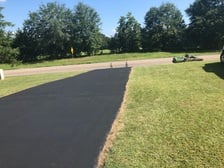
"They were very professional. Did everything I asked in a timely matter. I liked how Steve returned my calls. I love my new driveway and sidewalk, wish I had done it sooner instead of using rock all these years."
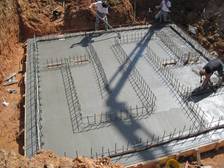
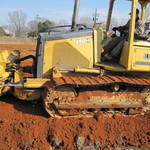
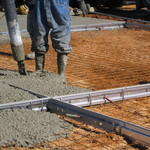
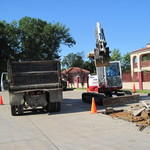
We're dedicated to providing our clients with the very best in concrete installation and repair for driveways, sidewalks, patios, steps, and a variety of other projects. With over 15 years of industry experience, we take and enormous amount of pride in the attention to detail put into each of the projects we're involved with. We're known for our quality work and the integrity of our business. We look forward to building long-term relationships with our clients, and guarantee your satisfaction.
"I had a driveway extension done. Him and his team did an awesome job. I highly recommend him and will definitely use him in the future for any big concrete jobs."
Yes, biodegradable cleaning agents and water-saving techniques minimize environmental impact.
Experts typically recommend pressure washing your driveway at least once per year to keep it looking great while preventing stains, cracks, and unwanted vegetation. However, if your driveway gets a lot of use, you might want to pressure wash it more often to keep it looking like new.
You should never use bleach in a pressure washer. While bleach is effective at killing mold and mildew, it is a potent chemical that can corrode the machine's seals and nozzles, destroying it from the inside out. Additionally, pressure washing with bleach sprays the chemical into the air, which is dangerous if inhaled and can kill nearby plants, flowers, or harm animals that ingest it. If you need to remove mold or mildew, it is best to hire a professional who will use a safe and effective cleaning agent.
Yes, most pressure washing companies use your home's water supply, typically from an outdoor spigot. However, some companies can bring their own water in a tank or truck. This is less common and may incur additional costs for filling and hauling the water. It's a good idea to ask a company which method they use when you call for a cost estimate.
Professional power washing removes built-up dirt, mold, and mildew, which preserves exterior surfaces and improves curb appeal. Hiring a professional ensures the cleaning is done effectively and without damaging surfaces.
The Choudrant, LA homeowners’ guide to concrete driveway services
From average costs to expert advice, get all the answers you need to get your job done.
Between the endless customizations and decades of strength, the cost of a concrete driveway may be worth the investment. Let's break down your bottom line.
Before you hire a pro to pour a new concrete driveway, you should have a good idea of what you need. Discuss these concrete driveway installation questions with a pro.
Thinking about a new concrete driveway? Learn about installation costs, design options, and how to hire the right local pro for your home's exterior upgrade.