




Top-rated plaster repair specialists.

Best plaster repair specialists near Bunkie, LA

Enter your zip and get matched with up to 5 pros

Need a pro for your plaster repair project in Bunkie, LA?

Select your specific project to find the pro for you.

Top-Rated Plaster repair specialists in Bunkie - Updated Nov 2026

Avatar for Fuselier's Painting Service
Fuselier's Painting Service
5.0(
1
)
Plaster - RepairPlaster - Repair - For Business

Serving Bunkie, LA and surrounding areas

In business since 1987

Free estimates

Emergency services offered

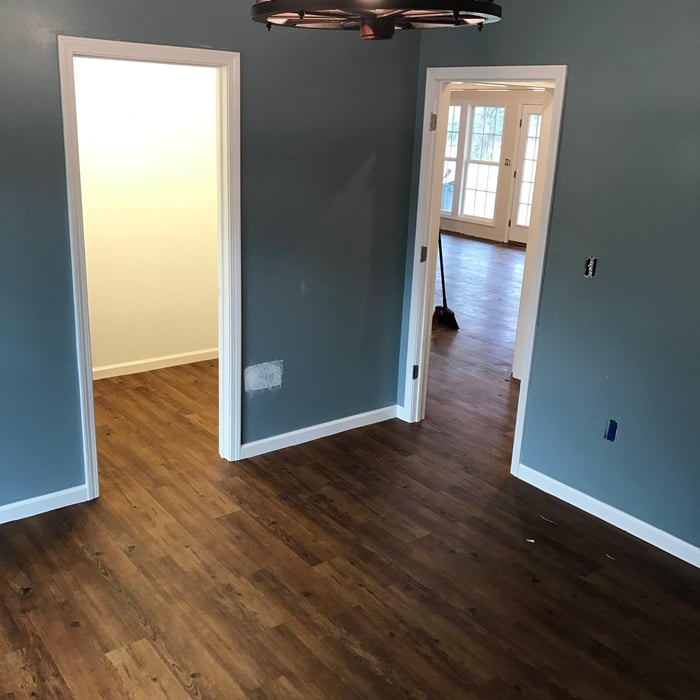
"Troy and his team did a fantastic job! My wife and I left for 2 weeks in January while they painted the interior of our house. When we came back all was as we left it except for the amazing experience of walking into a "new" home. I was impressed by the amount of precision and detail on all the trim areas as well as the uniformity of the coverage areas. We went from a dark multicolored house to a bright and lively home. Troy was always on time and did exactly what he promised. I highly recommend that you use him for your project. You will not be disappointed!"
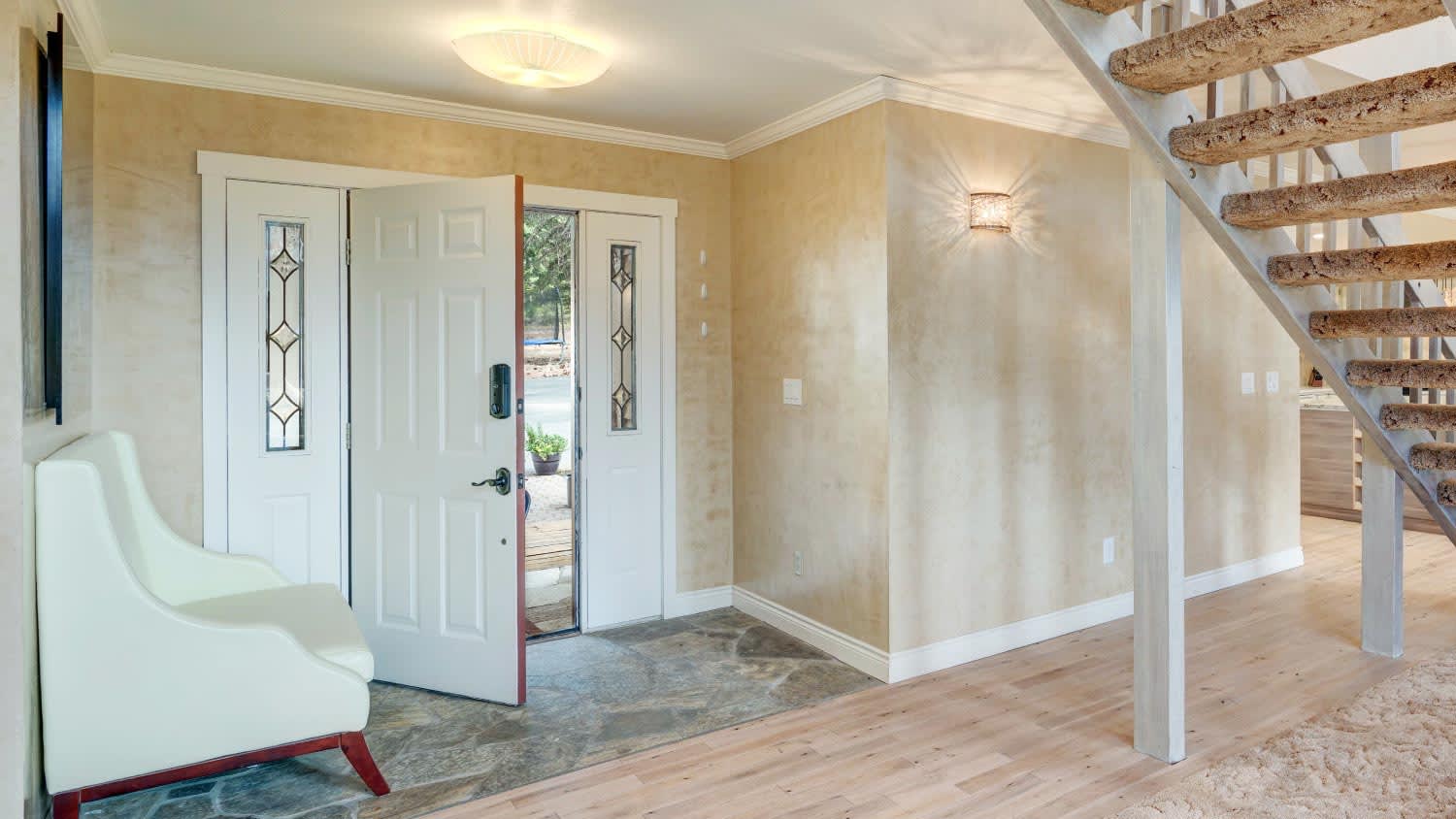
Faux Finish wall
Painting
Faux Finish
Repaint
Paint exterior

+13

Response time10 mins
Response rate92%
Recommended by100%of homeowners
Showing 1-10 of 22
Plaster Repair FAQs, answered by experts

To maintain plaster walls, inspect them regularly for cracks and seal them early. Clean the walls by dusting regularly or using a gentle, damp cloth. It's also important to avoid moisture exposure. Repainting as needed will help maintain the wall's appearance and longevity.

Plastering and skimming are two different techniques for finishing walls. Plastering involves applying a thick layer of a plaster mixture—typically containing gypsum, lime, cement, sand, and water—to create a new surface. This process often requires multiple coats and is used for repairing significant damage or creating decorative textures. Skimming, on the other hand, is a technique that involves applying a thin layer of drywall compound or joint compound over an existing surface to smooth it out, covering minor imperfections, small cracks, or uneven textures for a polished look. Plastering is generally more costly and labor-intensive than skimming. Although some people use the terms interchangeably, they refer to different processes and materials.

It is possible to apply plaster on the interior or exterior of your home, but we don’t recommend it. Plaster is easy to apply in theory, but in reality, it can be a challenging material to work with, and it’s difficult to get the finished product to look clean, even, and smooth. Many DIYers end up calling in a professional afterward to touch up the area or even redo it entirely because of mistakes they made in the process. Hiring a plaster pro will cost more, but it’s usually the best option to achieve high-quality results.

If the holes in the plaster are small, you can fill them with layers of patching plaster until they’re filled. After it dries, you can sand the plaster and paint over it. If the hole is much larger, consider using bonding plaster first and then a layer of patching plaster, completing the process with sanding and a layer of paint.

Although they are used for similar tasks, spackle and joint compound are not the same. Joint compound, also known as drywall mud, consists of limestone and gypsum and is primarily used for large-scale projects like taping and finishing seams on new drywall. Spackle is composed of gypsum and binding agents, making it a thicker compound best suited for small wall repairs like filling nail holes or cracks, as it dries quickly and is easy to sand. For small repairs, either product can be suitable. However, you can use joint compound for small jobs in place of spackle, but you cannot use spackle for large-scale taping and mudding projects.

The Bunkie, LA homeowners’ guide to plaster repairs

From average costs to expert advice, get all the answers you need to get your job done.