
Top-rated plaster repair specialists.

Best plaster repair specialists near Lecompte, LA

Enter your zip and get matched with up to 5 pros

Need a pro for your plaster repair project in Lecompte, LA?

Select your specific project to find the pro for you.

Top-Rated Plaster repair specialists in Lecompte - Updated Nov 2026

A & B Home Improvements
5.0(
3
)
Plaster - RepairPlaster - Repair - For Business

Serving Lecompte, LA and surrounding areas

In business since 2022

Free estimates

Small jobs welcome

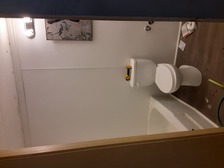
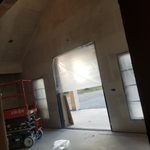
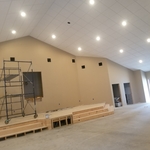
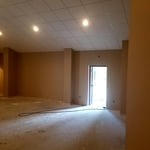
Here at A & B Home Improvements we are family owned and operated with over 15 years of experience. We take great pride in our expertise, quality, and customer service that we provide to meet the consumer's needs. It is our mission to provide excellent workmanship and complete customer satisfaction, from the start to completion of a project. In order to understand the needs and expectations of our customers, we take great care to work and communicate with every client in a professional manner. Our reputation is based on service, safety, and quality, regardless of how large or small the job we will treat your home or your business as we would treat our own. Give A & B Home Improvements a call today. We look forward to working with you!

Our work
Our work
Our work
Our work
Our work

+21

Response time7 hrs
Showing 1-10 of 29
Plaster Repair FAQs, answered by experts

You can skim coat plaster, but it’s better to repair the plaster itself. A skim coat is a thin coat of drywall joint compound spread over the surface of a wall. The result is a flat finish that looks pleasing, but part of the appeal of plaster is its imperfections and aesthetic. Skim coating is best when limited to drywall applications.

Venetian plaster is a highly durable wall finish that becomes a rock-like substance once dried, making it last longer than most other wall finishes. Its lifespan can range from decades to centuries, potentially lasting a lifetime. Key factors influencing its longevity include the quality of the initial application, whether it's properly sealed against moisture, and how the wall is maintained and treated (e.g., how often it is touched or bumped). Due to its mineral content, it can also develop a patina over time.

Although they have similar applications, spackle and joint compound are not the same. Their primary differences lie in their composition, consistency, and ideal use cases.

Spackle is composed of gypsum and binding agents, making it thicker than joint compound. It dries quickly and is easy to sand, which makes it ideal for small wall repair projects like filling nail holes or patching minor damage.

Joint compound, also known as drywall mud, consists of limestone and gypsum. It is primarily used for large-scale projects, such as taping and finishing the seams on newly installed drywall. It tends to shrink more than spackle and can be more difficult to spread.

While both products can be used to fill small depressions and cracks, spackle cannot replace joint compound for taping and mudding new drywall. Conversely, you can often use joint compound for small patching jobs typically done with spackle.

Look for flaking paint or air bubbles that burst and then flake away. Paint will begin to flake after being exposed to minimal moisture or water, so it’s a good indicator of any water damage. If you notice your paint starting to flake, feel the plaster underneath to see if it is soft or damp.

While it’s most common to sand plaster dry, it is possible to wet-sand plaster, too. Doing so can reduce the amount of plaster dust released into the air and make it easier to work in smaller, more delicate areas (such as around wall trim). However, some people find that wet sanding leads to more imperfections, which is why larger walls are more often dry sanded to ensure an even finish.

The Lecompte, LA homeowners’ guide to plaster repairs

From average costs to expert advice, get all the answers you need to get your job done.