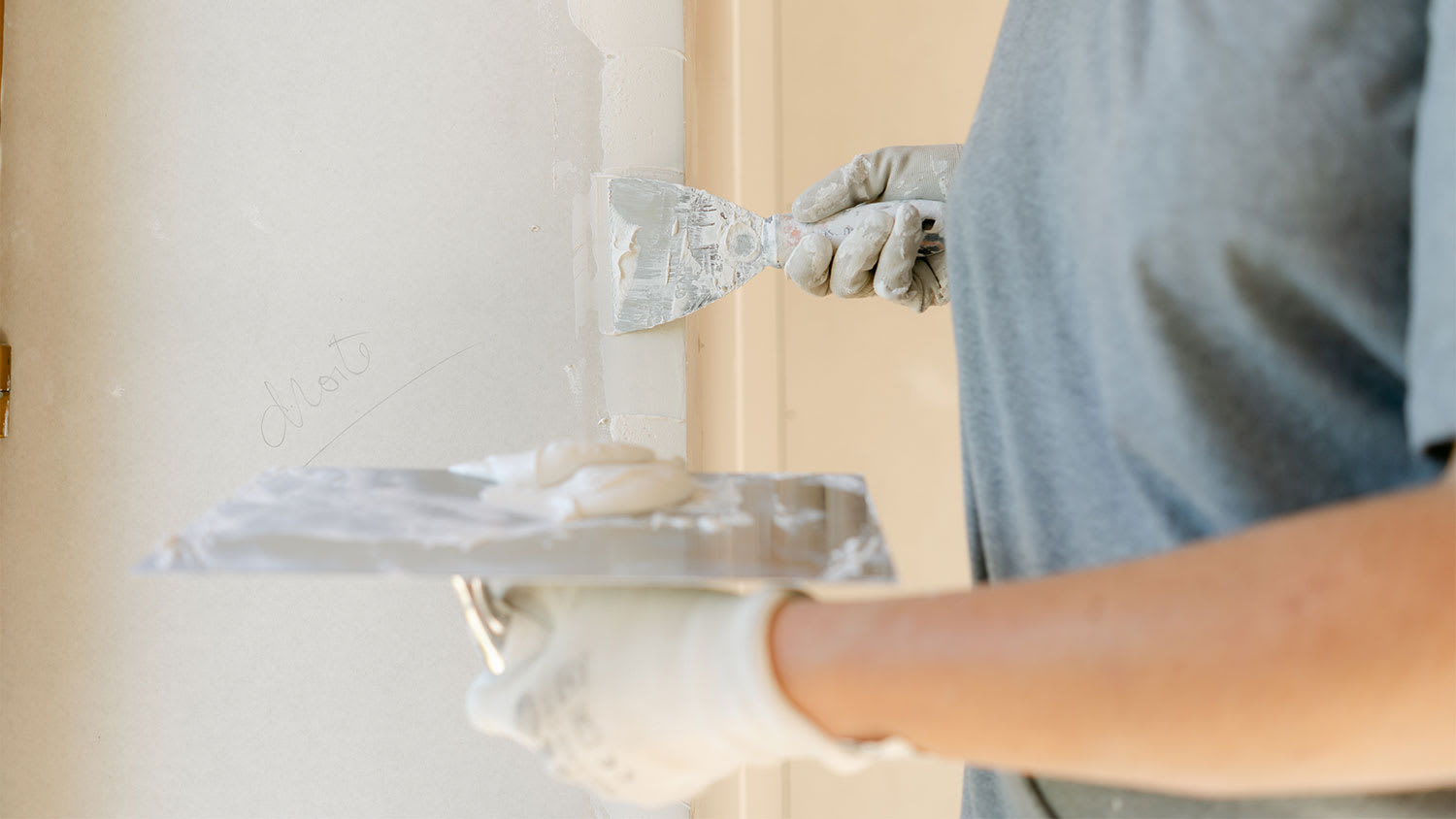

Top-rated plaster repair specialists.

Best plaster repair specialists near Midway, LA

Enter your zip and get matched with up to 5 pros

Need a pro for your plaster repair project in Midway, LA?

Select your specific project to find the pro for you.

Top-Rated Plaster repair specialists in Midway - Updated Nov 2026

Knights Renovation Services LLC
5.0(
6
)
Plaster - InstallPlaster - Install - For BusinessPlaster - Repair+1 more

Serving Midway, LA and surrounding areas

In business since 2021

Free estimates

Emergency services offered

"I am completely satisfied with Knight's Renovation Services. The work was professionally done. I am extremely happy that I finally have people who are both professional and trustworthy to help me. I am so impressed with their work and I will only hire them going forward."
Recommended by100%of homeowners
Showing 1-10 of 25
Plaster Repair FAQs, answered by experts

Venetian plaster is a highly durable wall finish that becomes a rock-like substance once dried, making it last longer than most other wall finishes. Its lifespan can range from decades to centuries, potentially lasting a lifetime. Key factors influencing its longevity include the quality of the initial application, whether it's properly sealed against moisture, and how the wall is maintained and treated (e.g., how often it is touched or bumped). Due to its mineral content, it can also develop a patina over time.

Although they are used for similar tasks, spackle and joint compound are not the same. Joint compound, also known as drywall mud, consists of limestone and gypsum and is primarily used for large-scale projects like taping and finishing seams on new drywall. Spackle is composed of gypsum and binding agents, making it a thicker compound best suited for small wall repairs like filling nail holes or cracks, as it dries quickly and is easy to sand. For small repairs, either product can be suitable. However, you can use joint compound for small jobs in place of spackle, but you cannot use spackle for large-scale taping and mudding projects.

While it’s most common to sand plaster dry, it is possible to wet-sand plaster, too. Doing so can reduce the amount of plaster dust released into the air and make it easier to work in smaller, more delicate areas (such as around wall trim). However, some people find that wet sanding leads to more imperfections, which is why larger walls are more often dry sanded to ensure an even finish.

Plastering and skimming are two different techniques for finishing walls. Plastering involves applying a thick layer of a plaster mixture—typically containing gypsum, lime, cement, sand, and water—to create a new surface. This process often requires multiple coats and is used for repairing significant damage or creating decorative textures. Skimming, on the other hand, is a technique that involves applying a thin layer of drywall compound or joint compound over an existing surface to smooth it out, covering minor imperfections, small cracks, or uneven textures for a polished look. Plastering is generally more costly and labor-intensive than skimming. Although some people use the terms interchangeably, they refer to different processes and materials.

Plaster is a beautiful finish but is labor-intensive to install and remove. It’s vulnerable to cracking and more sensitive to moisture variance than drywall. Installing plaster on a new wall is an expensive process that can take days to weeks, depending on the scope. Removing a plaster wall can also be quite expensive and time-consuming.

The Midway, LA homeowners’ guide to plaster repairs

From average costs to expert advice, get all the answers you need to get your job done.