


4A Drywall
Plaster - Repair
Serving Arcadia, LA and surrounding areas
In business since 2024
Free estimates
Emergency services offered
"Excelente trabajo y cumplen en los tiempos acordados"
Recommended by100%of homeowners

*The Angi rating for Plaster Repair companies in Arcadia, LA is a rating based on verified reviews from our community of homeowners who have used these pros to meet their Plaster Repair needs.
*The HomeAdvisor rating for Plaster Repair companies in Arcadia, LA is a rating based on verified reviews from our community of homeowners who have used these pros to meet their Plaster Repair needs.
Last update on May 23, 2026
Serving Arcadia, LA and surrounding areas
In business since 2024
Free estimates
Emergency services offered
"Excelente trabajo y cumplen en los tiempos acordados"

Serving Arcadia, LA and surrounding areas
In business since 2011
Free estimates
"They are very dedicated in doing the job. They did a great job cleaned everything real good."
+32

Serving Arcadia, LA and surrounding areas
In business since 2014
Free estimates
"Did a very awesome job."
Serving Arcadia, LA and surrounding areas
In business since 2010
Free estimates
Credit card accepted
With several years experience, we work hard to bring each customer the best possible service and quality available. We look forward to working with you on your next project. We welcome your questions and thank you for your interest.
Serving Arcadia, LA and surrounding areas
In business since 2015
Free estimates
Welcome to Crabtree's Drywall! We are the premier professional home improvement company in West Monroe. We specialize in drywall installations and repairs, interior painting, and custom interior trim! We offer the highest quality and most attentive customer service. We are known to pay exquisite attention to detail while making customer satisfaction our top priority. \n \nWhether your project involves minor repairs or a complete drywall hanging, we are glad to be your number one choice. \n \nPlease call us today to schedule your appointment! \n
Serving Arcadia, LA and surrounding areas
In business since 2014
Free estimates
Credit card accepted
Not gonna leave until the customer
Serving Arcadia, LA and surrounding areas
In business since 2002
Free estimates
Credit card accepted
Our mission at DWELD, is to continue the growth of our business by doing right by all of our clients. We love seeing that one of a kind smile on a homeowner's face at the end of a project! DWELD stacks up with the competition and surpasses it with competitive prices, second to none workmanship and a prompt/responsive team. We give you quality that you can measure, and a finished product that will enhance your home forever. Call us today!

Serving Arcadia, LA and surrounding areas
In business since 1994
Free estimates
Credit card accepted
"Excellent service, good people to work with, trustworthy, and responded quickly."
Serving Arcadia, LA and surrounding areas
In business since 1992
Free estimates
Customer satisfaction is what determines our success, which is why we take a hands-on approach. When interacting with Mitchell's Home Services, you will notice that we are particularly focused on the principles of quality workmanship, timely completion, competitive pricing and integrity in all our business dealings. We combine knowledge and research with our extensive practical experience to ensure a specialized approach for your project needs. Contact us today for a fair and accurate estimate of your project. We look forward to adding you to our long and growing list of happy customers.
Serving Arcadia, LA and surrounding areas
In business since 2018
Free estimates
"He's got a great personality, quality and he did me right on my roof."
From average costs to expert advice, get all the answers you need to get your job done.
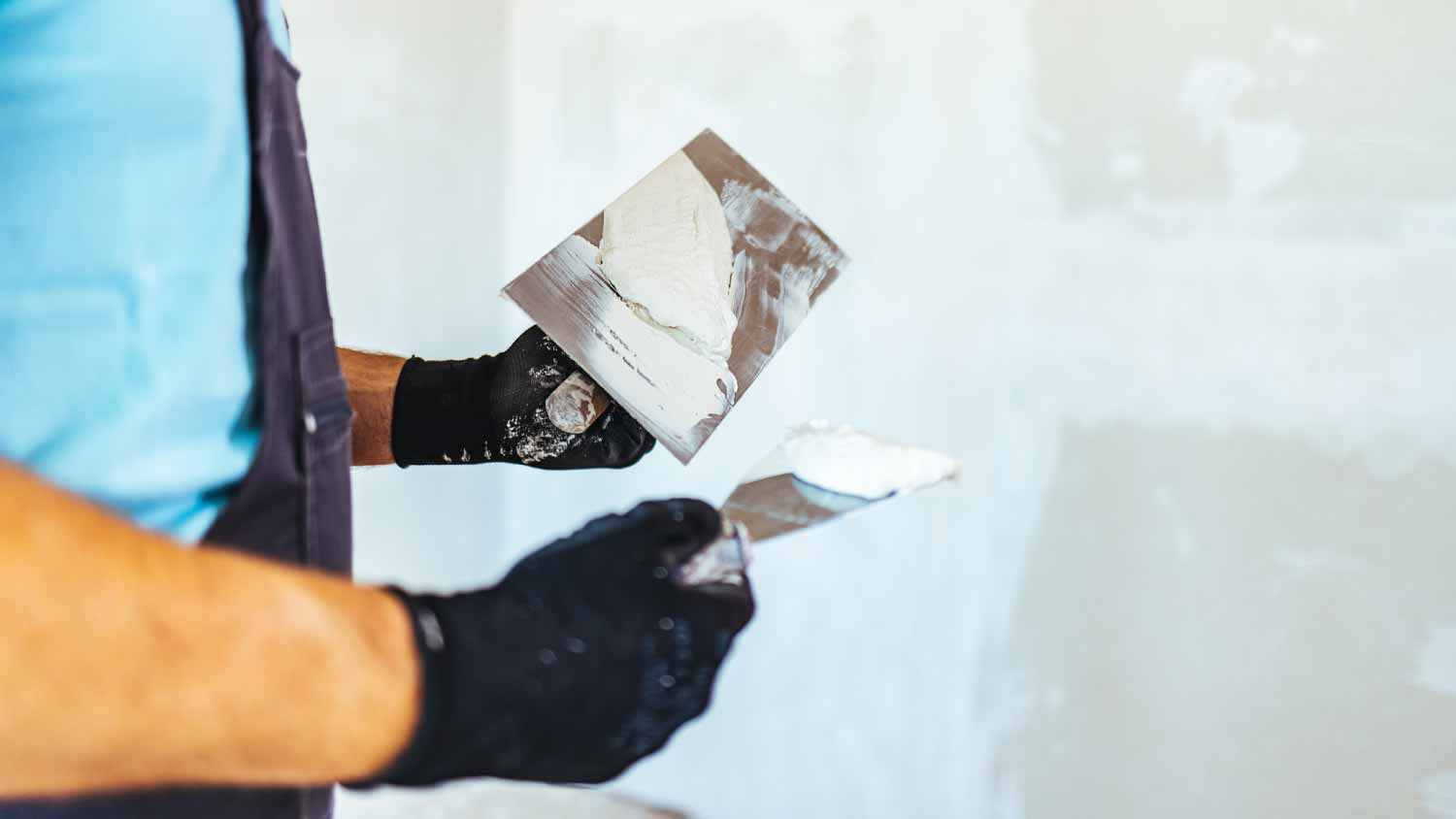
Plaster repair costs are determined by the size and type of damage. Discover why some fixes you can DIY and why some require a pro’s help.
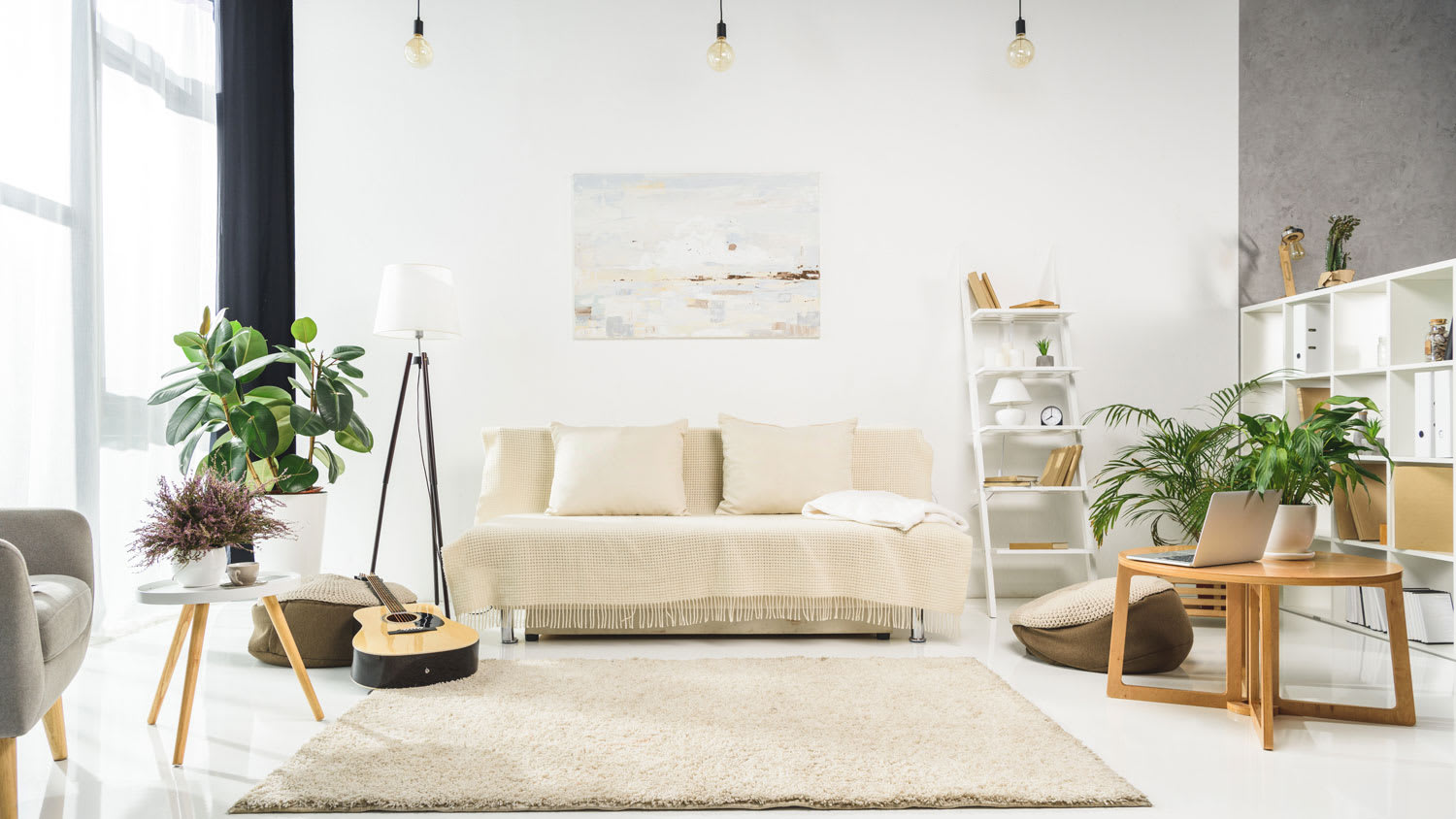
The cost of plastering walls and ceilings depends on the room size and ceiling height. Our tips can help you estimate an accurate cost.
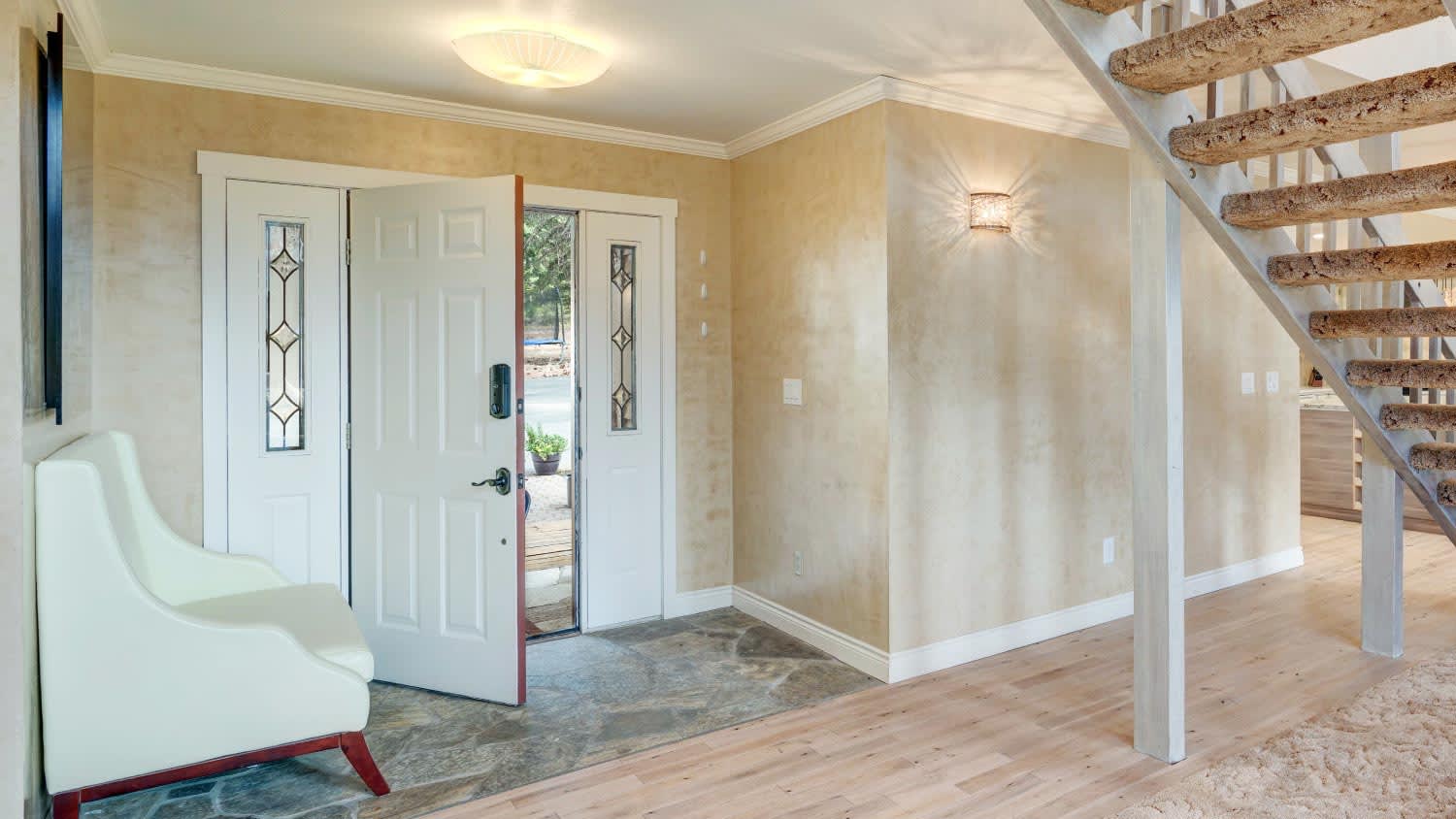
Venetian plaster can add depth and texture to your aesthetic. Learn how much Venetian plaster costs based on factors like square footage and whether you hire a pro to help.
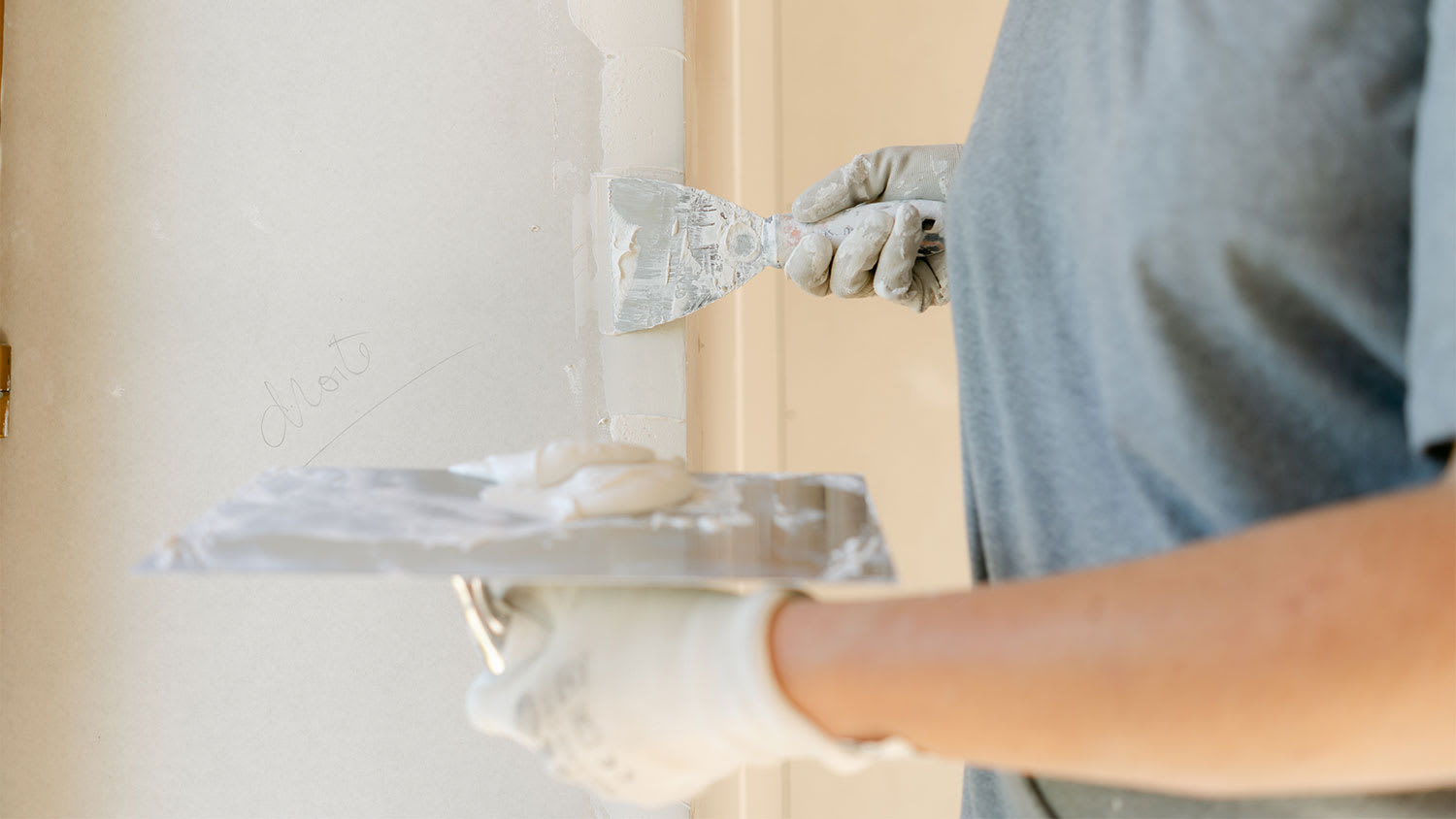
Finding a qualified plaster repair pro? Learn how to hire the right specialist, what questions to ask, and what to expect for your project.
Planning a plaster repair project? Learn about the process, average costs to expect, and how to hire the right local pro to restore your walls.

You can find plaster walls in a lot of older homes. What’s behind these walls—whether that’s lath or calcimine—can have an impact on how long they last. Finding out the age of your house can help you determine what you’re dealing with.