



Top-rated electricians.

Get matched with top electricians in Albany, LA

Enter your zip and get matched with up to 5 pros

Need a pro for your electrical service project in Albany, LA?

Select your specific project to find the pro for you.

TRUSTED BY ALBANY, LA HOMEOWNERS

  • Average homeowner rating star icon4.6
    Average homeowner rating
  • Verified reviews icon220
    Verified electrical services reviews

Find Electricians in Albany

Avatar for Power Cross
Power Cross
4.8(
83
)
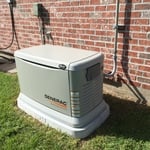
Fixed Generator - RepairGenerator - Repair - For Business

Serving Albany, LA and surrounding areas

Approved

In business since 2005

Emergency services offered

Customers say: True professional

"On time, professional and knowledgable. Could have sold me a top of the line battery but explained to me why a middle of the line for $100 less would be just as good. Keegan will be doing all my generator maintenance from now on. I highly recommend Keegan and Power Cross."
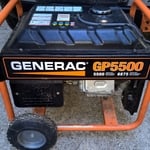
Portable fixed
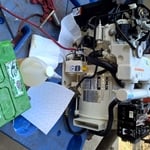
Marine water cool generator
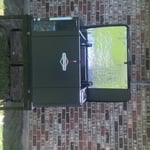
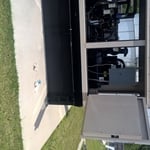
20 15kw home standby generator
Commercial unit
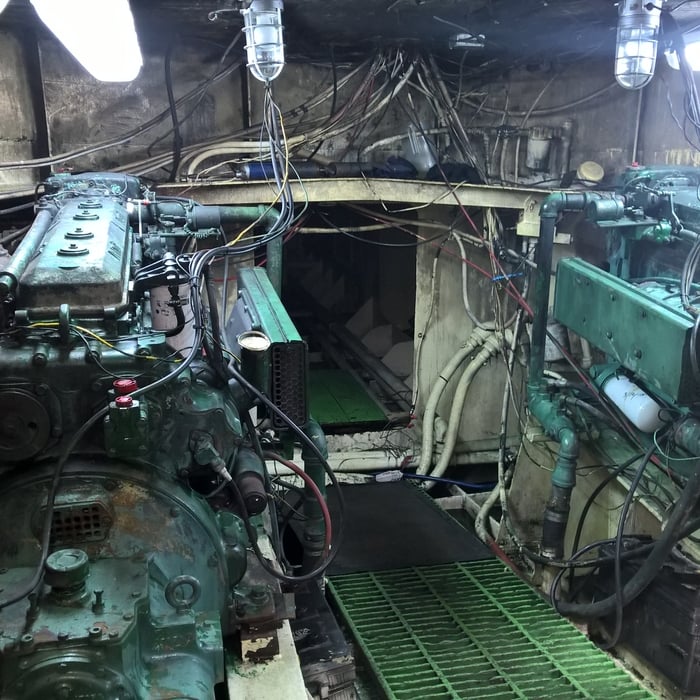
Marine engines

+10

Response time5 hrs
Recommended by97%of homeowners

Avatar for AccuTemp Services, LLC
AccuTemp Services, LLC
4.8(
158
)
Fixed Generator - InstallFixed Generator - Repair

Serving Albany, LA and surrounding areas

Approved (Corporate)

In business since 2005

Free estimates

Emergency services offered

"Mr. Doug Hicks was prompt and professional. He was very pleasant and helpful. He explained everything in detail. The repairs were done in a reasonable amount of time and he was diligent about making sure everything was working properly before leaving. I sincerely appreciate all of the effort he put into fixing/making the repairs. It is such a relief to finally have the work done. Thank you so much, Mr. Hicks. The service you provided was excellent."
Experts you can trust!
Residential Service
Commercial A/C installation
Plumbing & Drain Services
Main Sewer Line

+13

23 neighbors recently requested a quote
Recommended by88%of homeowners

United Lightning Rods
4.9(
64
)
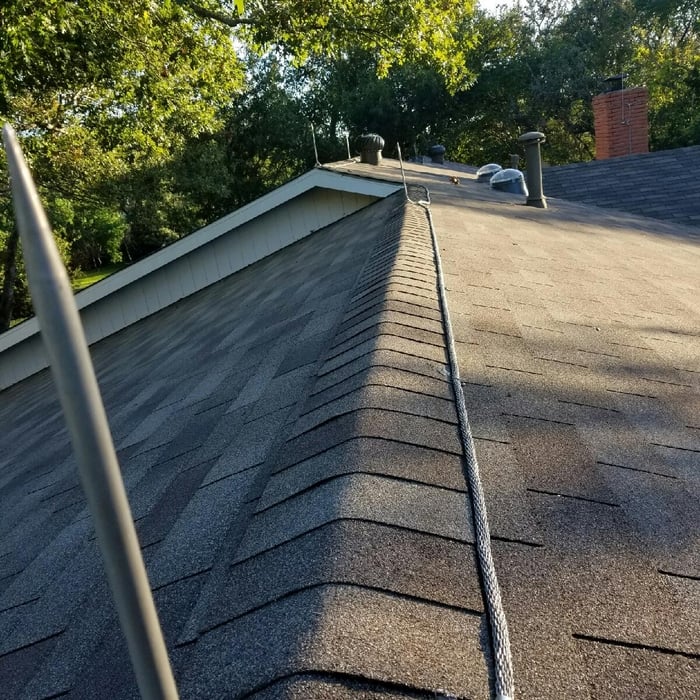
Lightning Protection - Install or Repair

Serving Albany, LA and surrounding areas

Approved

Super Service Award Winner

In business since 1941

Free estimates

Warranties offered

"Ed Riley is extremely knowledgeable about what causes lighting and how to protect from it. He explained to me which and how structures develop static electricity that lead to lighting discharges in a way that the physics made sense to me. They were also reasonably priced and kept their word. Definitely recommend them."
Response time2 days
Response rate99%
73 neighbors recently requested a quote
...
Showing 1-10 of 316
Electrical questions, answered by experts

You can add an electrical outlet outside by sending a wire through the wall from an existing interior outlet. Without having to open up walls, you can thread a new electrical cable from the existing outlet through the wall and to the exterior. You’ll need to cut a hole in the siding to place your new outlet. Ensure that your outdoor outlet is a GFCI outlet (ground fault circuit interrupter outlet) per the National Electrical Code. It’s best to hire an electrician to add an outdoor outlet unless you have previous electrical experience.

According to the National Electrical Code® (NEC®), the electrical code for kitchen outlets states that electrical outlets in a kitchen should be installed no more than 48 inches apart. This ensures that a receptacle is no further away than 24 inches from any place on the countertop. Countertops wider than 12 inches need an outlet on the wall above the countertop.

Multiple wire sizes are used for residential electrical purposes. While the most common sizes used in homes are 14 and 12 gauge, some appliances, such as stoves, electric water heaters, central air units, etc., may use larger gauge wire to accommodate their larger amperage. Typically, larger appliances require 10-, 8-, or 6-gauge wires.

How many string lights can be on one outlet depends on a number of varying factors, including the total wattage of your circuit, the type of lights, the energy needs of the lights, and cord specifications. It’s better to play it safe here to protect your circuit, so figure out the max wattage of your circuit, compare that to the lights, and move on from there. Generally speaking, LED string lights require less energy than incandescent bulbs, translating to a higher number of lights per circuit. 

When converting a standard 120-volt outlet to a 240-volt outlet, the only components you can typically reuse are the existing electrical box and the hole in the wall. Everything else—including the wiring, breaker, and receptacle—should be replaced to ensure both safety and efficiency. Appliances designed for 240 volts have different plug configurations that won’t fit into a standard 120-volt outlet, making it necessary to install a compatible 240-volt receptacle. This design helps prevent overloading or underloading the power available to any one outlet or circuit.

The Albany, LA homeowners’ guide to electrical services

From average costs to expert advice, get all the answers you need to get your job done.