
Top-rated excavation pros.

Best excavation pros near Verona, KY

Enter your zip and get matched with up to 5 pros

Need a pro for your excavation project in Verona, KY?

Select your specific project to find the pro for you.

TRUSTED BY VERONA, KY HOMEOWNERS

  • Average homeowner rating star icon4.7
    Average homeowner rating
  • Verified reviews icon55
    Verified excavation services reviews

Top-Rated Excavation pros in Verona - Updated Nov 2026

Mario's Landscaping of Cincy, LLC
4.9(
76
)
Landscape - Minor Grading or Resloping

Serving Verona, KY and surrounding areas

Approved

In business since 1997

Free estimates

Customers say: True professional

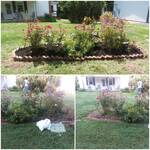
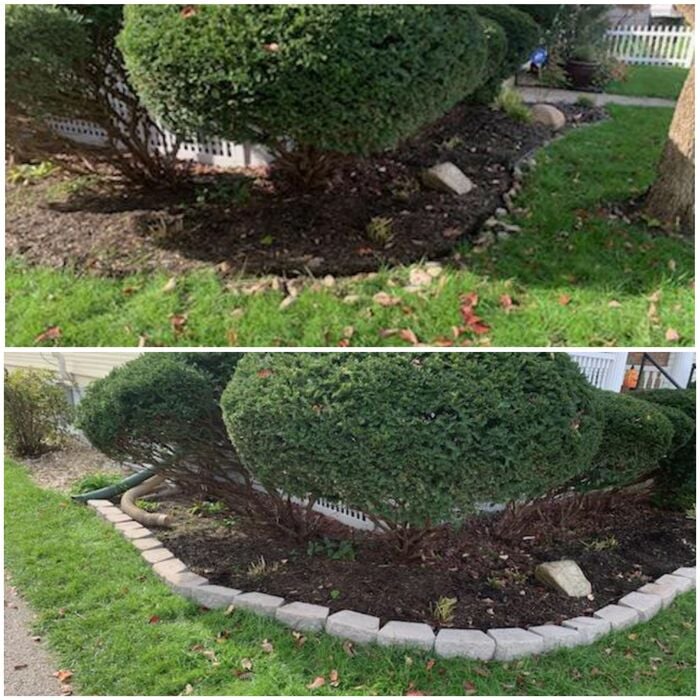
"Wonderful! They did a great job leveling the yard where the heavy equipment left deep gouges. They added topsoil, seed and straw. They also put our flower bed back together. They added mulch and put the stones back in place that were displaced. I would hire this company again in a heartbeat."
12 neighbors recently requested a quote
Recommended by95%of homeowners
Trax Excavating, LLC
4.7(
3
)
Landscape - Minor Grading or ReslopingBuilding Site - Preparation and ClearingBuilding Site - Preparation and Clearing - For Business+1 more

Serving Verona, KY and surrounding areas

Approved

In business since 2023

Free estimates

Credit card accepted

"This company is the only one that showed up to look at the work I needed done in person. Had 4 acres I needed cleared and graded, not only did they do the work but they also showed me a couple other things they could do to really get the most out of my property! I will definitely use them again for future work now that I know that they can run my water and sewage lines for my new house.. Thanks Chad!!"
Response time1 day
11 neighbors recently requested a quote
Recommended by100%of homeowners
...
Showing 1-10 of 151
Excavating FAQs, answered by experts

Depth is not a qualifying component of evacuation. Any human-made cut, cavity, or depression in the earth’s surface is considered excavation. The hole from excavation can be any size, shape, or depth. Excavation is used to create foundations, reservoirs, drainage ditches, and roads. Long, narrow excavations are called trenches and are often used for underground utilities.

Landscape edging is more DIYable than trenching. You can DIY your own digging projects, but proceed carefully and only with proper knowledge of the equipment and appropriate safety measures in place. Keep in mind the project's scope and estimate how long it will take you to do it on your own. While you can certainly save money by DIYing home improvement projects, you can’t exactly hide an unfinished—or worse, ruined— landscaping job from the neighbors. It’s always safer to call an excavation pro near you to get an estimate.

You can dig 60 to 80 linear feet by hand per day depending on the depth. Digging a 100-foot trench by hand will take you two work days, but it can take longer if you have heavy or rocky soil. If you’re digging a deep trench or one that’s over 100 feet, consider renting a mechanical trencher, such as a walk-behind or ride-on, or calling a pro for help. 

There are several methods to hollow out a tree stump, and the best one depends on your tools, experience, and priorities. Common methods include using a chisel and hammer, a chainsaw, or burning.

  • Chisel and Hammer: This is often considered the easiest approach for those with limited tools or experience, though it is the most time-consuming.

  • Chainsaw: Using a chainsaw is the fastest method, but it comes with significant safety risks, especially for inexperienced users.

  • Burning: This can be an effective method, but it is not recommended unless you can first drill holes into the stump. Without holes, the stump will be difficult to light and may not burn completely through.

A power drill with at least a ⅜-inch diameter bit can make the job quicker and easier, regardless of the primary method. While you can use a chisel or chainsaw without a drill, it will require more time and effort. Always wear protective goggles and thick gloves, as splinters are an inevitable risk.

Slab foundations are more affordable than crawl spaces because they require minimal excavation, as the slab sits directly on the ground or on footers that only sink a few feet into the ground. Crawl spaces require excavation of the entire footprint of the home to several feet below the surface. Not only does that mean higher labor costs, but more materials are necessary for the concrete foundation walls.

The Verona, KY homeowners’ guide to excavation services

From average costs to expert advice, get all the answers you need to get your job done.