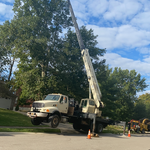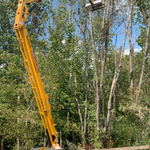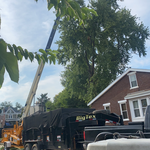







Top-rated excavation pros.

Get matched with top excavation pros in Edgewood, KY

Enter your zip and get matched with up to 5 pros

Need a pro for your excavation project in Edgewood, KY?

Select your specific project to find the pro for you.

TRUSTED BY EDGEWOOD, KY HOMEOWNERS

  • Average homeowner rating star icon4.9
    Average homeowner rating
  • Verified reviews icon33
    Verified excavation services reviews

Find Excavation pros in Edgewood

Avatar for Burton’s Junk Removal And Hauling
Burton’s Junk Removal And Hauling
4.9(
14
)
Landscape - Minor Grading or Resloping

Serving Edgewood, KY and surrounding areas

Approved

Super Service Award Winner

In business since 2023

Free estimates

Small jobs welcome

"I had two guys come out to help with junk removal, and they did an awesome job! They arrived right on time, worked quickly, and were super professional the entire time. They handled everything carefully and made sure the area was completely clean before they left. It was such a smooth and stress-free experience. I’d definitely recommend them to anyone who needs fast, reliable junk removal service."
Roofing
Hauling junk
Hauling junk
Tear up job
Junk haul away

+6

Response time10 hrs
Response rate97%
2 neighbors recently requested a quote
...
Showing 1-10 of 185
Excavating questions, answered by experts

A crawl space can be as little as 42 inches below the grade of your house, but this is not always recommended in flood-prone areas. At a minimum, there must be at least 16 inches of clearance between the ground and the floor joists to access the space in an emergency.

Landscape edging is more DIYable than trenching. You can DIY your own digging projects, but proceed carefully and only with proper knowledge of the equipment and appropriate safety measures in place. Keep in mind the project's scope and estimate how long it will take you to do it on your own. While you can certainly save money by DIYing home improvement projects, you can’t exactly hide an unfinished—or worse, ruined— landscaping job from the neighbors. It’s always safer to call an excavation pro near you to get an estimate.

The digging depth will depend on the size of the trencher you use. Even smaller units can dig up to 4 feet deep, which is plenty for a DIY job. However, much larger trenchers can reach a depth of 18 feet and are better used by a team of pro contractors, not a single DIYer. As with all home improvement projects, use the right tool for the job and proceed with caution.

The best type of soil to build on is a mixture of sand and clay, known as loam soil. Loam soil has the best combination of these soil types to build a foundation on. The clay particles help with water retention, so it won’t erode like sandy soil might, and the sandy particles help with drainage, so you won’t see unsafe soil expansion or have an increased risk of leaks from water sitting against your foundation.

There is no standard depth for burying a septic tank; they are typically buried anywhere from 4 inches to 4 feet underground. The final depth depends on several factors, including the depth of your main sewer line, the height of the bedrock, soil type, local regulations, and the property's landscape. If you plan to grow grass or plants over the tank, a depth of at least 4 to 6 inches is recommended. Deeper tanks can be more difficult to locate, but a septic professional can help find it for you.

The Edgewood, KY homeowners’ guide to excavation services

From average costs to expert advice, get all the answers you need to get your job done.