Top-rated drywall pros.

Best drywall pros near Verona, KY

Enter your zip and get matched with up to 5 pros

Need a pro for your drywall service project in Verona, KY?

Select your specific project to find the pro for you.

TRUSTED BY VERONA, KY HOMEOWNERS

  • Average homeowner rating star icon4.6
    Average homeowner rating
  • Verified reviews icon159
    Verified drywall services reviews

Top-Rated Drywall pros in Verona - Updated Nov 2026

Avatar for Drywall RX
Drywall RX
5.0(
18
)
Drywall - RepairDrywall - Install

Serving Verona, KY and surrounding areas

Approved

Free estimates

Small jobs welcome

Credit card accepted

"Chad at DrywallRX is the only person you should call, polite, kind, respectful, professional, honest. He repaired our drywall and brought it back to new. Very efficient and cleaned up any mess that he made. If you need drywall help this is the only person you should call. Thank you again Chad"
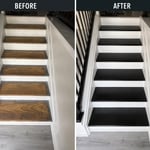
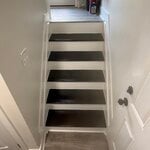
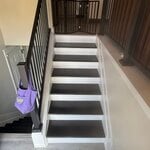
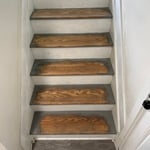
Staircase refinish
Staircase refinish
Staircase refinish
Staircase refinish
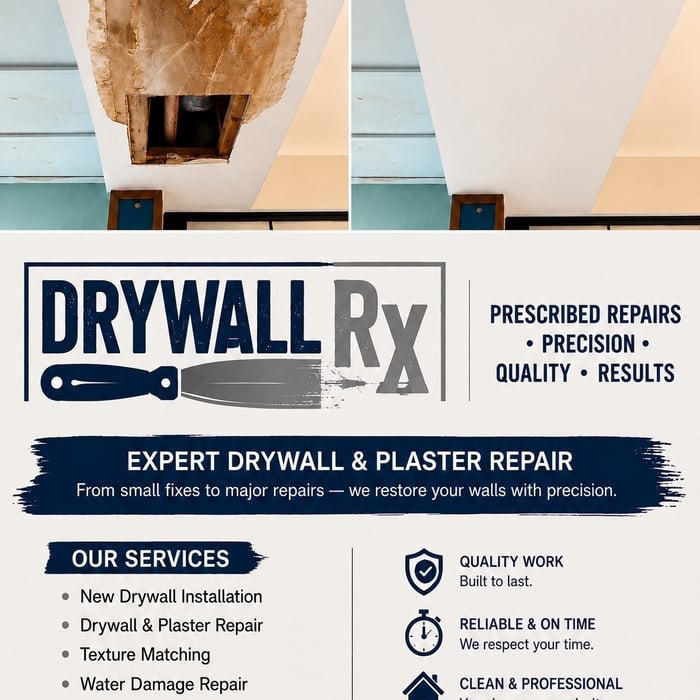
Drywall ceiling repair

+11

69 neighbors recently requested a quote
Avatar for S & S Plastering, LLC
S & S Plastering, LLC
4.7(
56
)
Drywall - InstallDrywall - RepairDrywall - Repair - For Business

Serving Verona, KY and surrounding areas

Approved

In business since 2003

Free estimates

Small jobs welcome

"I would highly recommend this company to anyone needing drywall installation! They were fast and efficient, completing the work is less time than expected. I was highly pleased with the quality of their work and how clean they kept the job site. I would easily hire them again, but hopefully I won't need any drywall work done for a long time. :-)"
Race street project
Front porch
Wide view of front of house
Race Street project
Front porch

+38

Response time2 days
Recommended by89%of homeowners
Avatar for Tri State Complete Home Repair and Maintenance
Tri State Complete Home Repair and Maintenance
4.5(
79
)
Drywall - InstallDrywall - Install - For BusinessDrywall - Repair+1 more

Serving Verona, KY and surrounding areas

Approved

Super Service Award Winner

In business since 1996

Free estimates

Emergency services offered

"I dealt with Tim for the price and project details and then Jeff was the man who came out to do the job. The deck had previously been done by a guy who did not know what he was doing so Jeff power washed the entire deck and let it dry for 24 hours, then he sanded the deck and scrubbed it down with denatured alcohol to help remove any remaining paint from before. When the deck was dry, Jeff taped off everything and proceeded to edge everything before he rolled a nice thick layer of paint on the deck. We waited another 24 hours and Jeff returned to apply a nice second coat of paint on the entire deck. Tim and Jeff are very easy to work with and I will most certainly come back to them for future projects."
Remodeling - General Project
Before ☹️
Remodeling - General Project
After! !
Additional Photos

+5

10 neighbors recently requested a quote
Recommended by50%of homeowners
...
Showing 1-10 of 198
Drywall FAQs, answered by experts

Whether it’s better to screw or glue drywall depends on your specific budget and project timeline. Professional drywall installers are more likely to use screws and fasteners than adhesives, but it takes longer. But if you are DIYing your drywall installation, glue is a perfectly fine choice if you’re willing to pay extra for adhesive.

Although they have similar applications, spackle and joint compound are not the same. Their primary differences lie in their composition, consistency, and ideal use cases.

Spackle is composed of gypsum and binding agents, making it thicker than joint compound. It dries quickly and is easy to sand, which makes it ideal for small wall repair projects like filling nail holes or patching minor damage.

Joint compound, also known as drywall mud, consists of limestone and gypsum. It is primarily used for large-scale projects, such as taping and finishing the seams on newly installed drywall. It tends to shrink more than spackle and can be more difficult to spread.

While both products can be used to fill small depressions and cracks, spackle cannot replace joint compound for taping and mudding new drywall. Conversely, you can often use joint compound for small patching jobs typically done with spackle.

Choose a drill bit that is the size of the screws of the anchors you will use. You aren’t drilling through metal or concrete—hopefully—so any standard twist, wooden or all-purpose drill bit will work fine. It’s also important to have a screwdriver capable of drilling through the drywall and into the stud. The good news is most available drills, even the older ones, can do this with no issue.

A common cause of separation between a wall and the ceiling is truss lift—this can happen to the ceiling of rooms directly under the attic when the seasons change and wood building materials dry out, shrink, and shift. Roof trusses often dry out at different speeds, and if the bottom pieces dry out faster than the top pieces, they can shrink and pull the attached drywall away from ceilings and walls, causing cracks. Fortunately, truss lift is only a cosmetic problem, not a structural problem, and you can fix it by separating the ceiling drywall from the roof trusses, and patching the cracks.

If the holes in the plaster are small, you can fill them with layers of patching plaster until they’re filled. After it dries, you can sand the plaster and paint over it. If the hole is much larger, consider using bonding plaster first and then a layer of patching plaster, completing the process with sanding and a layer of paint.

The Verona, KY homeowners’ guide to drywall services

From average costs to expert advice, get all the answers you need to get your job done.