








Top-rated asphalt driveway pros.

Best asphalt driveway pros near Sturgis, KY

Enter your zip and get matched with up to 5 pros

Need a pro for your asphalt driveway service project in Sturgis, KY?

Select your specific project to find the pro for you.

Top-Rated Asphalt driveway pros in Sturgis - Updated Nov 2026

Avatar for Bo Harrison's Paving
Bo Harrison's Paving
5.0(
2
)
Asphalt Paving - InstallAsphalt Paving - Install- For BusinessAsphalt Paving - Repair or Patch

Serving Sturgis, KY and surrounding areas

Approved

In business since 2013

Free estimates

Credit card accepted

"Super fast call back time! I submitted around 8 pm and within seconds he was calling my phone! Very responsive! I didn’t even have measurements and got on google something and had measurement adequate enough. He gave a quick and fair quote! Even threw in replacing the culvert free if I just bought the culvert."
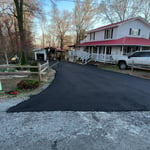
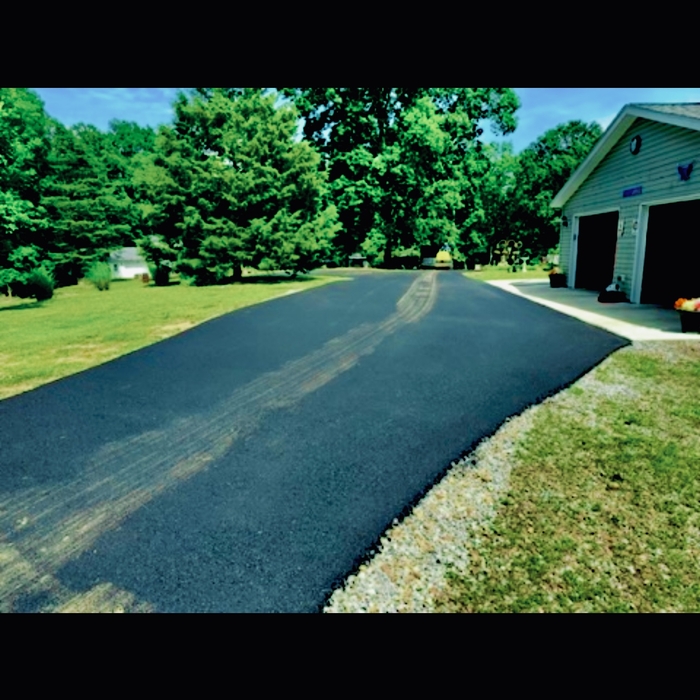
Driveway
Driveway
Driveway
Driveway
Asphalted driveways

+4

Response time3 days
Avatar for Todd Enterprises SLE MBR LLC
Todd Enterprises SLE MBR LLC
4.9(
8
)
Asphalt Paving - Repair or Patch

Serving Sturgis, KY and surrounding areas

In business since 2004

Free estimates

Emergency services offered

"Very hard workers. They went over and above my expectations. The yard work they did for me was labor intensive! I can assure if you have most any kind of yard work. you will not be sorry if you hire them! Their charge for my work was an excellently priced!"
Front Steps
Front Steps
Driveway
Driveway
Happy Clients

+10

Response time2 days
Recommended by85%of homeowners
...
Showing 1-10 of 53
Asphalt Driveways FAQs, answered by experts

Chip seal layers gravel and a liquid bitumen one at a time on-site, while asphalt directly pours a pre-combined mixture. Asphalt must be sealed, but it will last up to four times as long as chip seal driveways. Aesthetically, chip seal has a natural, rustic look compared to the traditional asphalt slab.

When hiring an asphalt paving contractor to install your driveway, ask as many questions up front as possible. Here are a few questions to ask a prospective driveway contractor:

  • How many years of experience do you have?

  • Are you licensed, bonded, and insured?

  • Do you have worker’s compensation?

  • Do you use subcontractors on your projects?

  • Do you clean up after the job is done?

  • Who is responsible for any damage to lawn or landscaping?

  • Do you provide a guarantee or warranty on your work?

  • Do you give free estimates?

  • What is the timeline for completion?

  • How do you handle change orders?

  • Can you provide at least three references?

  • Can I see some of the work you’ve done?

Asphalt and tarmac are not the same thing. Traditional tarmac, short for tarmacadam, uses tar as a binder to hold crushed stone together. Asphalt uses bitumen—a byproduct of crude oil—to bind aggregate. Though tarmac was once a go-to for roads, asphalt has become the modern standard. And these days, most surfaces referred to as “tarmac” are actually asphalt. So, while the names may overlap, the key distinction lies in the binder—tar for tarmac and bitumen for asphalt.

New asphalt goes through two stages: drying and curing. Drying typically takes 24 to 72 hours, after which the surface is solid enough for light use like walking or careful driving. While you may be able to park on it after 72 hours, the surface is still soft and should be treated gently. Full curing is a much longer process, taking anywhere from 30 days to a full year for the asphalt to reach maximum strength. During this extended curing period, the asphalt is susceptible to damage from heavy vehicles, sharp objects, and high temperatures. Factors like weather, the specific asphalt mix, and application thickness all influence drying and curing times. For the most accurate timeline and to ensure the longevity of your new asphalt, it is always best to consult with your installation contractor for their specific recommendations.

While blacktop is a type of asphalt, the terms should not be used interchangeably, as not all asphalt qualifies as blacktop. The primary differences are in their composition, production process, and ideal applications. Blacktop contains more stone than other types of asphalt and is heated to a higher temperature during production—300°F or more—while hot-mix asphalt is heated to between 275°F and 300°F. The ratio of bitumen (a tar-like crude oil) is a key differentiator, though sources vary: some state blacktop has less bitumen, making it less durable, while others claim it has a higher ratio. Due to these differences, asphalt is generally more durable and better for high-traffic areas like highways and streets, while blacktop is more suitable for playgrounds and residential driveways. For a driveway project, it is best to consult a professional to determine the most appropriate material.

The Sturgis, KY homeowners’ guide to asphalt driveway services

From average costs to expert advice, get all the answers you need to get your job done.