




Top-rated asphalt driveway pros.

Get matched with top asphalt driveway pros in Princeton, KY

Enter your zip and get matched with up to 5 pros

Need a pro for your asphalt driveway service project in Princeton, KY?

Select your specific project to find the pro for you.

Find Asphalt driveway pros in Princeton

Avatar for Bo Harrison's Paving
Bo Harrison's Paving
5.0(
2
)
Asphalt Paving - InstallAsphalt Paving - Install- For BusinessAsphalt Paving - Repair or Patch

Serving Princeton, KY and surrounding areas

Approved

In business since 2013

Free estimates

Credit card accepted

"Super fast call back time! I submitted around 8 pm and within seconds he was calling my phone! Very responsive! I didn’t even have measurements and got on google something and had measurement adequate enough. He gave a quick and fair quote! Even threw in replacing the culvert free if I just bought the culvert."
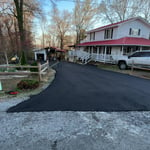
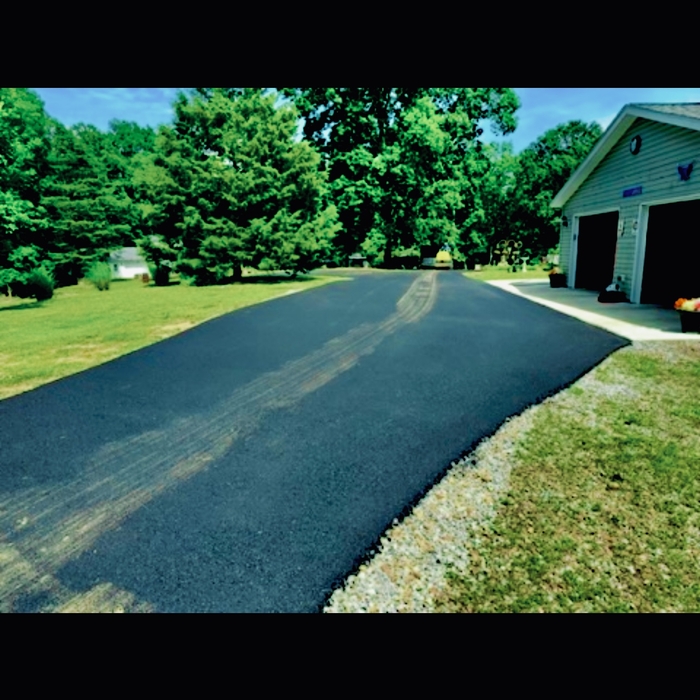
Driveway
Driveway
Driveway
Driveway
Asphalted driveways

+4

Response time3 days
Precision Landscape & Remodeling
3.7(
13
)
Asphalt Paving - InstallAsphalt Paving - Install- For BusinessAsphalt Paving - Repair or Patch+7 more

Serving Princeton, KY and surrounding areas

In business since 2012

Free estimates

Emergency services offered

"Everything this company did from the initial point of contact to the finalization of the project we were happy me and my wife had a 35ft wide by 20 ft long and bout 4ft deep center pond put in on our property. From the price of the pond it's self to the way they ran there skidsteers they did an amazing job they handle there's self in a professional and great manner the whole time I would these guys every time matter of fact I have them coming out to do siding."
Front of house
Side of house
Front bed
Front house bed with fence and custom brick
Custom 8x8 grill platform

+12

Response time2 days
Recommended by62%of homeowners
...
Showing 1-10 of 52
Asphalt Driveways questions, answered by experts

Several materials are suitable for steep driveways. Gravel and crushed stone are affordable options that provide good traction. Permeable pavers—such as plastic, rubber, or concrete—filled with gravel or crushed stones are also excellent, as they allow water to drain without causing erosion and perform well in ice and snow. Another option is resin, which can be coated with an anti-slip finish and helps prevent puddles. For added stability, you can install a retaining wall to prevent pavers and gravel from shifting over time.

You should contact your driveway installer before winterizing a newly installed driveway. Winterizing it before the asphalt or concrete has fully cured can damage the driveway. But in many cases, you don't need to winterize a newly installed driveway anyway since it's likely freshly sealed and won't have much damage yet. 

Asphalt dries and cures best between 50 and 85 degrees Fahrenheit. This range allows moisture to evaporate quickly without causing the asphalt to cool too fast, which can negatively affect the drying process. However, keep in mind that other weather conditions can also affect curing and drying times, such as precipitation and humidity.

The choice between asphalt and concrete depends on your priorities, budget, and climate.

Concrete is generally more durable, lasting up to 50 years with minimal upkeep, and offers more customization options like staining and stamping, which can add more to a home's value. However, it is more expensive upfront and can be prone to cracking in cold climates where water can freeze and expand.

Asphalt is typically cheaper and quicker to install and is easier to repair. It performs better in colder climates. However, it requires more maintenance, including regular resealing, has a shorter lifespan, and can get hot and sticky in intense sunlight.

Ultimately, if durability and long-term value are key, concrete is often the better choice. If upfront cost and performance in cold weather are more important, asphalt may be preferable.

New asphalt goes through two stages: drying and curing. Drying typically takes 24 to 72 hours, after which the surface is solid enough for light use like walking or careful driving. While you may be able to park on it after 72 hours, the surface is still soft and should be treated gently. Full curing is a much longer process, taking anywhere from 30 days to a full year for the asphalt to reach maximum strength. During this extended curing period, the asphalt is susceptible to damage from heavy vehicles, sharp objects, and high temperatures. Factors like weather, the specific asphalt mix, and application thickness all influence drying and curing times. For the most accurate timeline and to ensure the longevity of your new asphalt, it is always best to consult with your installation contractor for their specific recommendations.

The Princeton, KY homeowners’ guide to asphalt driveway services

From average costs to expert advice, get all the answers you need to get your job done.