


Top-rated radon detection and reduction specialists.

Get matched with top radon detection and reduction specialists in Pippa Passes, KY

Enter your zip and get matched with up to 5 pros

Need a pro for your radon detection and reduction project in Pippa Passes, KY?

Select your specific project to find the pro for you.

Find Radon detection and reduction specialists in Pippa Passes

Avatar for Avert Radon LLC
Avert Radon LLC
5.0(
5
)
Radon Gas - AbatementRadon Gas - Testing

Serving Pippa Passes, KY and surrounding areas

Approved

In business since 2023

Free estimates

Credit card accepted

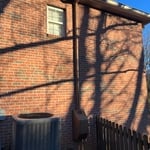
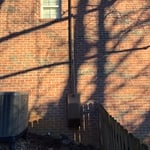
"Avert Radon LLC , specifically Chance, recently completed radon mitigation work at my residence, installing two systems. I typically refrain from writing reviews, but felt compelled to share my experience with Avert Radon LLC . I'm extremely satisfied with the results, as the radon levels are now virtually undetectable. Chance demonstrated exceptional professionalism throughout the process. The communication was excellent, and their meticulous attention to detail was also outstanding. Furthermore, their post-installation follow-up has been consistently excellent. I highly recommend this company without reservation. They are among the best service providers I've encountered. if I could give it more than five stars, I certainly would!"
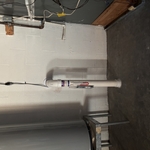
Mitigation Install
Mitigation Install
Radon Mitigation
Radon Measurement
5 neighbors recently requested a quote

Radon Detection and Reduction questions, answered by experts

If high radon levels are detected, steps include sealing entry points, installing a mitigation system, and retesting the air regularly to ensure reduced levels.

Options include sub-slab depressurization, crawlspace ventilation, and sealing cracks. Choose based on home construction and radon levels.

The soil beneath your house is most likely what’s causing an increased level of radon. This is because soil holds radioactivity for a long time and it’s also what most buildings are built on. Another common source of radon is water from a source that hasn’t been through periodic radon tests, such as well water. Over time, the radon from the soil can inhabit other parts of your house like the foundation or plumbing.

Radon enters your home when warm air begins to rise and exits through the roof, creating a vacuum that pulls cooler air from under the foundation. Part of that air is radon, which is an invisible, odorless gas that develops naturally when radioactive particles are deep within the ground. Those particles usually come from decaying matter in soil and rocks.

Keeping radon from getting into your home is much better than having to get rid of it once it's already indoors. While there may not be a way to fully prevent radon from getting into your home, there are things you can do to reduce the gas's ability to enter. 

Sealing foundation cracks and openings can help keep the gas from seeping inside. Improving air flow, such as by opening windows, can also be helpful. If you're building your home from scratch, talk to your contractor about using radon-resistant construction to keep the gas out.

The Pippa Passes, KY homeowners’ guide to radon detection and reduction services

From average costs to expert advice, get all the answers you need to get your job done.