




Top-rated radon detection and reduction specialists.

Get matched with top radon detection and reduction specialists in Jenkins, KY

Enter your zip and get matched with up to 5 pros

Need a pro for your radon detection and reduction project in Jenkins, KY?

Select your specific project to find the pro for you.

Find Radon detection and reduction specialists in Jenkins

Avatar for Home Edge Inspection
Home Edge Inspection
5.0(
3
)

Serving Jenkins, KY and surrounding areas

Approved

In business since 2024

Free estimates

Small jobs welcome

We take great pride in our experience, expertise, quality and customer service that we provide to meet the consumer's needs. It is our mission to provide excellent workmanship, and complete customer satisfaction, from start to completion of a project. In order to understand the needs and expectations of our customers, we take great care to work and communicate with every customer in a professional manner. Our reputation is based on service, safety and quality, regardless of how large, or small the job. Call us today! \n

27 neighbors recently requested a quote

Radon Detection and Reduction questions, answered by experts

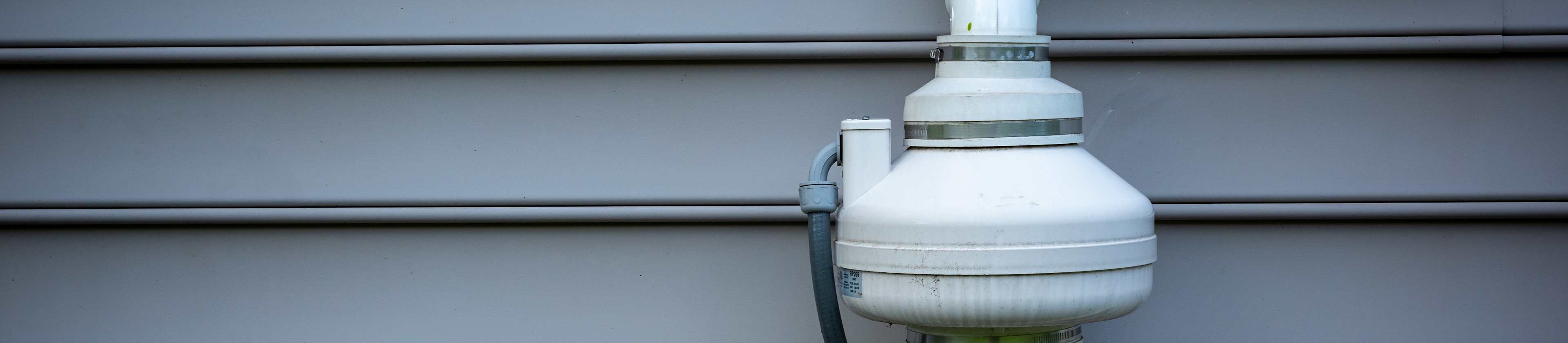
Your radon fan needs to operate 24/7 to be effective. The only time the fan isn't operating is during its replacement. Radon levels in the home can increase within hours if the fan stops working or something obstructs the stack vent. Fortunately, radon systems require no downtime maintenance between fan changes.

The fan that pulls the radon out of the air needs to run continuously, so you may see an increase in your electric bill once you install the mitigation system. Additionally, you may see an increase in your heating or cooling bills, as the fan can cause some loss of hot or cool air.

Abatement includes sealing entry points and venting with systems that reduce radon levels below recommended EPA limits. It is handled by certified professionals.

Ideally, no one will live in a house with elevated radon levels, as prolonged exposure increases the risk of serious health issues like lung cancer. However, homes with radon can be made safe through mitigation systems, such as active soil depressurization. Testing for radon regularly and addressing high levels helps ensure a safe living environment.

No level of radon is technically safe, but since it is present everywhere, complete avoidance is impossible. The average radon level in homes across the United States is 1.3 picocuries per liter (pCi/L). The Environmental Protection Agency (EPA) recommends taking preventative measures if your home's radon levels are between 2 and 4 pCi/L or higher.

The Jenkins, KY homeowners’ guide to radon detection and reduction services

From average costs to expert advice, get all the answers you need to get your job done.