
Top-rated concrete resurfacing pros.

Best concrete resurfacing pros near Murray, KY

Enter your zip and get matched with up to 5 pros

Need a pro for your concrete resurfacing project in Murray, KY?

Select your specific project to find the pro for you.

TRUSTED BY MURRAY, KY HOMEOWNERS

  • Average homeowner rating star icon4.6
    Average homeowner rating
  • Verified reviews icon11
    Verified concrete resurfacing reviews

Top-Rated Concrete resurfacing pros in Murray - Updated Nov 2026

Avatar for General Waterproofing
General Waterproofing
4.3(
8
)
Concrete Flatwork - Repair & ResurfaceConcrete Flatwork - Repair & Resurface- For Business

Serving Murray, KY and surrounding areas

In business since 1967

Free estimates

Emergency services offered

"They were great guys and did the work. They did what they were supposed to do. There were a few minor things. They did a great job and I have not had any more problems with leaking in my basement. Their price was reasonable compared to everyone else."
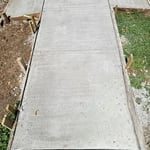
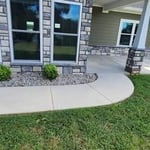
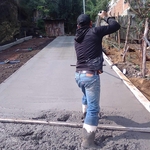
Additional Photos
Recommended by75%of homeowners
Showing 1-10 of 19
Concrete Resurfacing FAQs, answered by experts

Yes, all basement floors crack in response to the natural settlement of the soil around them and from concrete shrinkage as it cures, and you’ll see hairline cracks as a result. However, you should keep an eye on your basement floor to see if cracks continue to lengthen or widen or show signs of water intrusion. In any of these cases, the problem is likely not settling or shrinkage, and a professional repair is necessary.

Properly maintained, resurfacing typically lasts 5-10 years. Factors like surface usage and exposure to chemicals affect longevity.

A concrete overlay on an existing slab can range from 1/4 of an inch to 2 inches thick, though a minimum of 2 inches is often recommended to ensure stability and quality. The ideal thickness depends on the condition of the existing concrete and the depth of any planned designs or imprints. Before applying the overlay, it's important to repair and clean the surface, then apply a primer. For specialized work like a stamped concrete overlay, hiring an experienced contractor is recommended to determine the correct thickness and ensure the new layer isn't too high or heavy. For context, most standard concrete slabs are between 4 and 6 inches thick.

Pervious concrete should be between 4 and 8 inches thick to drain water properly. Surfaces like parking lots and driveways should be at least 6 inches thick to accommodate the weight of vehicles, while patios and walkways may be poured between 4 and 6 inches thick. There’s no standard for pervious concrete thickness, but in most cases, the more weight the surface will need to hold, the thicker it should be.

No, wet concrete will not bond to dry concrete without an additional bonding agent. The common alternative is adding a sand or gravel layer under a concrete slab to enhance bonding and create a stable foundation. The right choice depends on the height and thickness of your two slabs, local laws, and the use of the specific concrete slab.

The Murray, KY homeowners’ guide to concrete resurfacing

From average costs to expert advice, get all the answers you need to get your job done.