

Top-rated landscapers.

Get matched with top landscapers in Ledbetter, KY

Enter your zip and get matched with up to 5 pros

Need a pro for your landscaping project in Ledbetter, KY?

Select your specific project to find the pro for you.

TRUSTED BY LEDBETTER, KY HOMEOWNERS

  • Average homeowner rating star icon4.4
    Average homeowner rating
  • Verified reviews icon48
    Verified landscaping services reviews

Find Landscapers in Ledbetter

Avatar for Gourley's Forming & Concrete, LLC
Gourley's Forming & Concrete, LLC
5.0(
30
)
Landscape - Minor Grading or Resloping

Serving Ledbetter, KY and surrounding areas

Approved

In business since 2000

Free estimates

Small jobs welcome

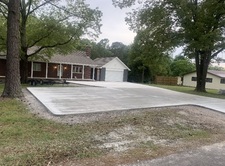
"My driveway and patio area is all and more than I expected. Gourley Forming and Concrete made sure that I was getting what I wanted and graciously discussed and implemented any changes with professional advice that I requested. My project including removing considerable amount of old concrete and installing new large driveway and a patio that drained well during the first rain. True to his word and professional work by all employees, I would certainly use Gourley's again if I should need any concrete work again."
Response time4 days
12 neighbors recently requested a quote
Recommended by93%of homeowners

Avatar for Freshline mowing company LLC
Freshline mowing company LLC
5.0(
2
)
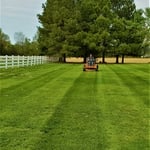
Lawn Care - Maintain and Mow a LawnLawn & Yard Waste Clean Up

Serving Ledbetter, KY and surrounding areas

Approved

Free estimates

Small jobs welcome

"I couldn't be happier with Freshline mowing. He is very quick to get back to you with answers to your questions. The price is very reasonable. He always makes it a point to check if you are happy with the lawn care service that is provided. I highly recommend them."
Grass trimmings
Lawn mowing service
Lawn maintenance
Shrub trimming
Lawn maintenance

+1

4 neighbors recently requested a quote
...
Showing 1-10 of 141
Landscaping questions, answered by experts

Many ways to landscape a steep slope on a budget exist. Avoiding expensive retaining wall construction is the first step. Consider creating a rocky slope with boulders or large stones, or think about planting perennials that return every year with a single investment. Transplanting small trees from elsewhere on your property is also possible and can help to stabilize steep slopes without purchasing new ones. 

In most cases, wait three to five days to repot or relocate a plant from a greenhouse or nursery. That way, your plant has time to recover from any shock during the move and adapt to the conditions in and around your home. Some hearty plants may not need as long, and delicate plants might need several weeks. You should ask the professional at your nursery for a recommended timeline. Consider asking about an initial watering schedule to help stimulate root growth and promote a healthy plant.

The average cost for landscaping is around $3,500, but prices can range from as low as $200 for simple DIY projects to $14,000 or more for extensive work. Several factors influence the final price, including your geographic location, yard size, project scope, chosen materials, site preparation, and the type of landscaping involved. Professional landscaper labor costs typically range from $50 to $100 per hour.

For a smaller budget, you can focus on softscaping projects like adding mulch, flowers, and shrubs, which might only cost a few hundred dollars if you do the work yourself. A budget of around $5,000 could cover projects like a simple patio, new plants and tree trimming, or a water feature. More extensive hardscaping projects, such as pergolas, patios, and walkways, can push the budget to $14,000 or more. For example, a flower bed installation averages between $800 and $3,000, while landscape lighting installation can cost from $2,000 to $6,000.

As much as you might try to keep a healthy, nutrient-rich lawn, you still may notice signs of St. Augustine decline (SAD)—a viral disease that discolors your grass blades. St. Augustine decline looks like:

  • Discoloration in the leaves (chlorosis)—leaves appear yellow and splotchy

  • Decline in growth

  • Leaves turn black within 3 years

  • Grass appears less vibrant

  • Grass begins to thin

  • Root rot

  • Grass takes longer to recover

While you can leave roots in the ground, if you don’t want the shrub to regrow again over time, it’s best not to leave any roots behind. Ensure you remove as much of the shrub as possible, including the root ball and any main roots you can see, to prevent new growth. Some gardeners opt for using a chemical treatment to prevent the stump from growing back, but this can kill beneficial microorganisms living in your soil.

The Ledbetter, KY homeowners’ guide to landscaping services

From average costs to expert advice, get all the answers you need to get your job done.