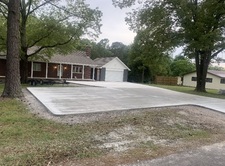
"Mr. Gourley explained what needed to be done and how he would do the concrete project (driveway area extension, breeze way walk, sidewalks & landscape borders, along with how much it would cost). He did exactly what was to be done and more to make it turn out great. He committed and communicate with me over the time, along with fitting my project in to get it done before winter and bad weather delays. Gourley’s staff works hard and great together with a feeling of family. He put faith back in some contractors for me with his efforts and abilities. I will recommend him to all my friends family and coworkers. Professional in a family way."
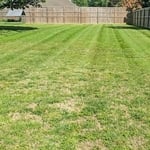
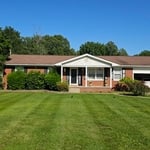
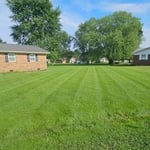
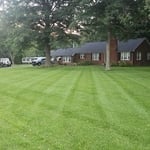
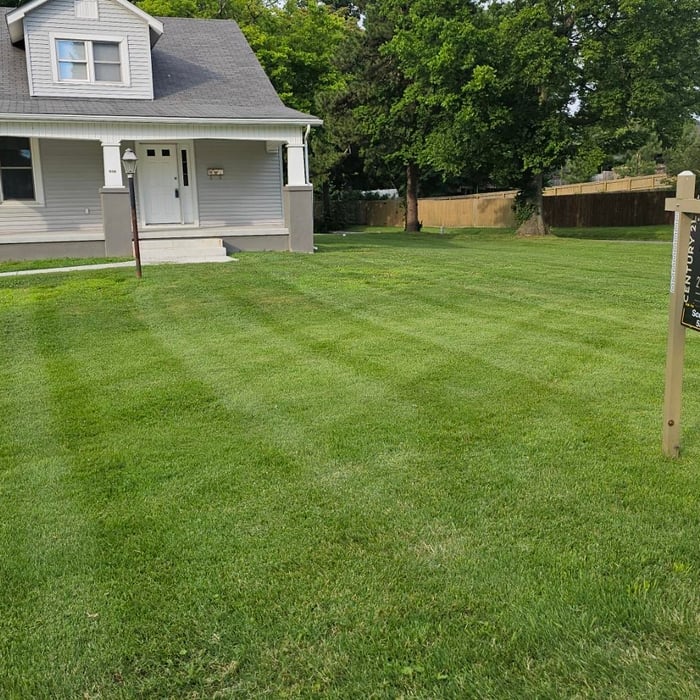
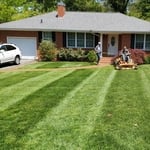
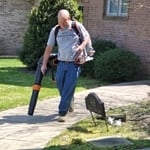
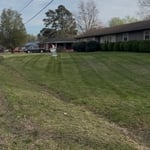
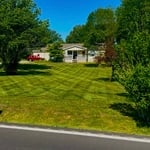
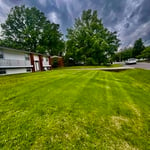
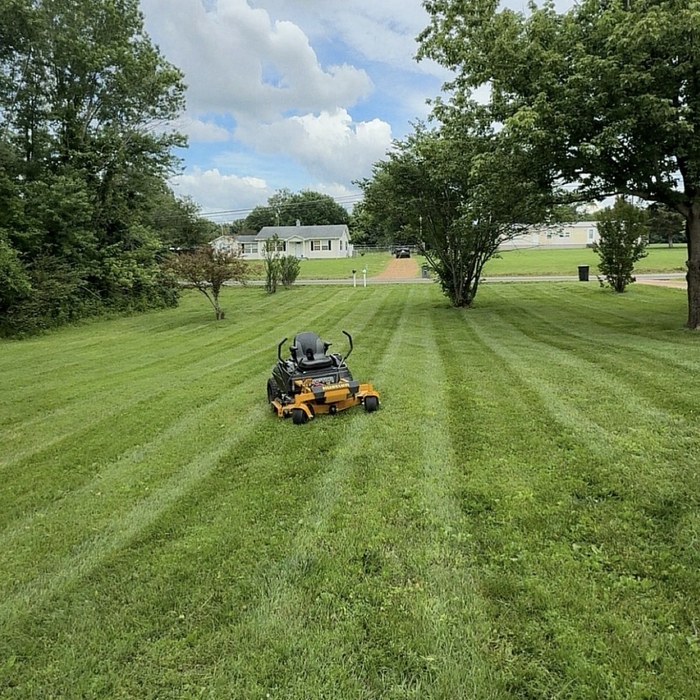
"I’m very happy with the job they did on my yard! They were professional, friendly, and did a great job mowing and cleaning everything up. My yard looks neat and well taken care of. I would definitely recommend them to anyone looking for someone dependable and who takes pride in their work!"
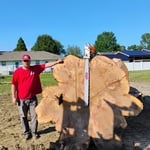
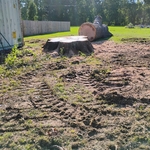
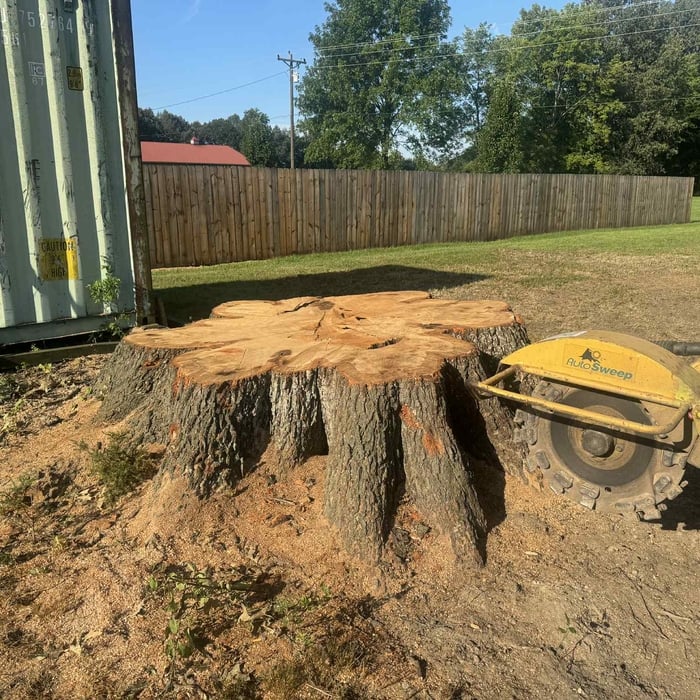
"Needed a ton of trees and overgrown bushes removed around our farm and property. Tanner did an excellent job cleaning everything up and making our property look good and spacious again!"
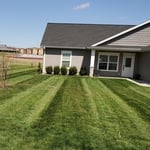
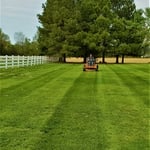
"I couldn't be happier with Freshline mowing. He is very quick to get back to you with answers to your questions. The price is very reasonable. He always makes it a point to check if you are happy with the lawn care service that is provided. I highly recommend them."
Yes, such as sod installation and erosion control for comprehensive site improvement.
Many ways to landscape a steep slope on a budget exist. Avoiding expensive retaining wall construction is the first step. Consider creating a rocky slope with boulders or large stones, or think about planting perennials that return every year with a single investment. Transplanting small trees from elsewhere on your property is also possible and can help to stabilize steep slopes without purchasing new ones.
The best landscaping for a septic drain field is shallow-rooted grass or native vegetation that helps prevent soil erosion while allowing water to evaporate efficiently. Avoid planting trees, shrubs, or deep-rooted plants near the drain field because the roots can infiltrate pipes and cause blockages. Using mulch or gravel sparingly can also help retain moisture and protect the system without restricting airflow.
While you can leave roots in the ground, if you don’t want the shrub to regrow again over time, it’s best not to leave any roots behind. Ensure you remove as much of the shrub as possible, including the root ball and any main roots you can see, to prevent new growth. Some gardeners opt for using a chemical treatment to prevent the stump from growing back, but this can kill beneficial microorganisms living in your soil.
It depends. Smaller, younger trees take longer to mature, but they're more resilient, their roots don't get as damaged during transplanting, and they recover faster. Plus, they're much more affordable to plant, and it's possible to DIY the planting.
On the other hand, mature trees produce fruit faster and provide more shade and privacy immediately. Ideally, a small or medium tree is the better choice if you can wait a few years for it to mature. But if you need immediate maturity, a larger tree is the only option.
The Hendron, KY homeowners’ guide to landscaping services
From average costs to expert advice, get all the answers you need to get your job done.
A landscape designer can elevate your outdoor space and bring your vision to life. Use this landscape design cost guide to budget for your next project.
A good landscaping website can help you land more sales and build your credibility. Read our list of must-have pages and ideas for your website to help potential clients find you and drive more business for your lawn care company.