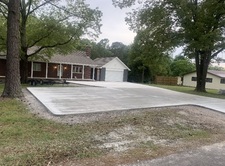
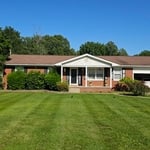
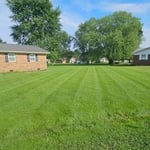
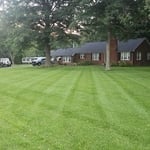
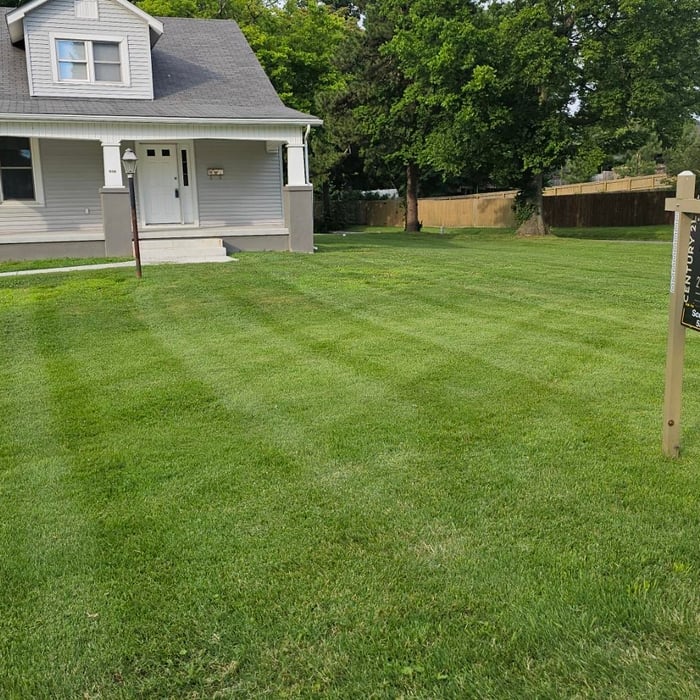
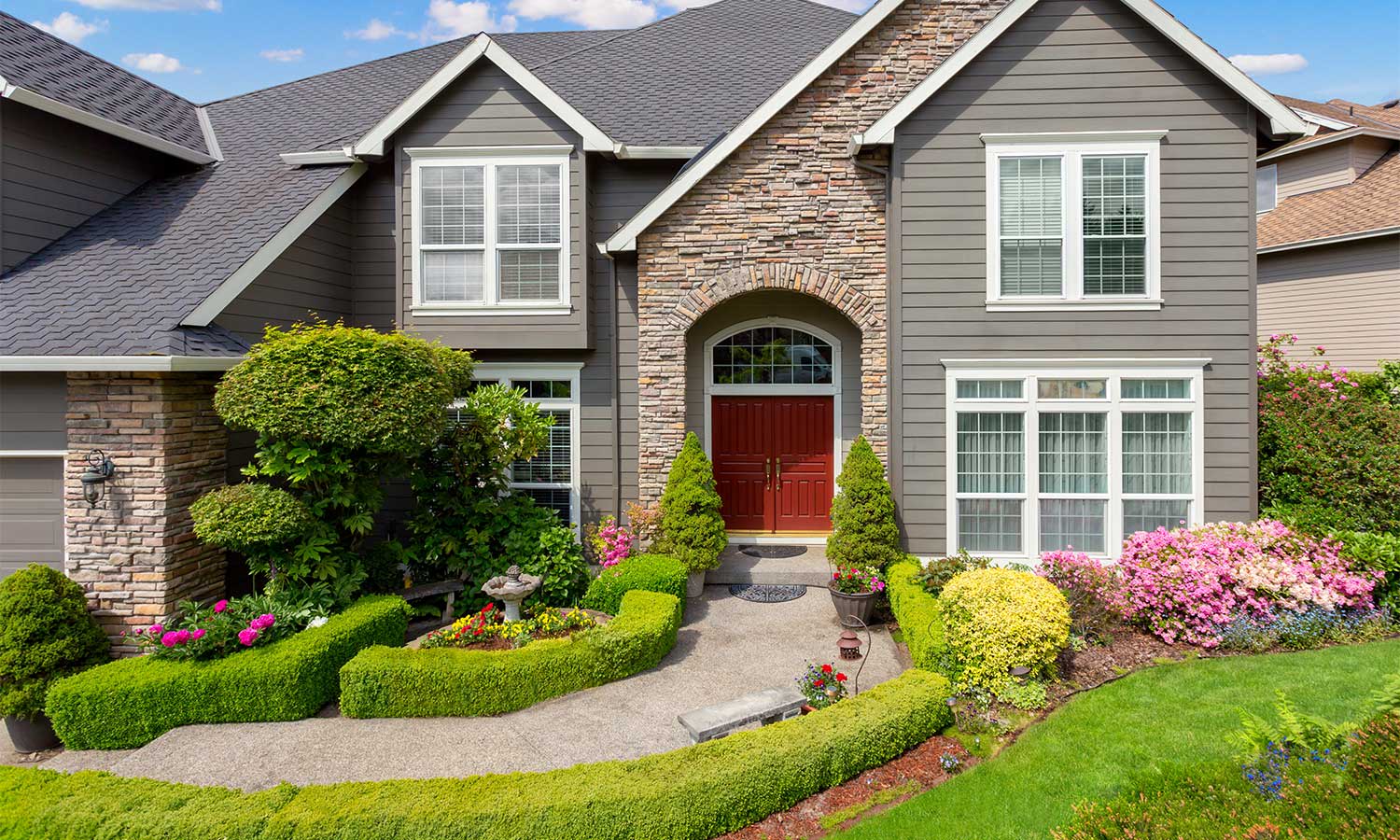
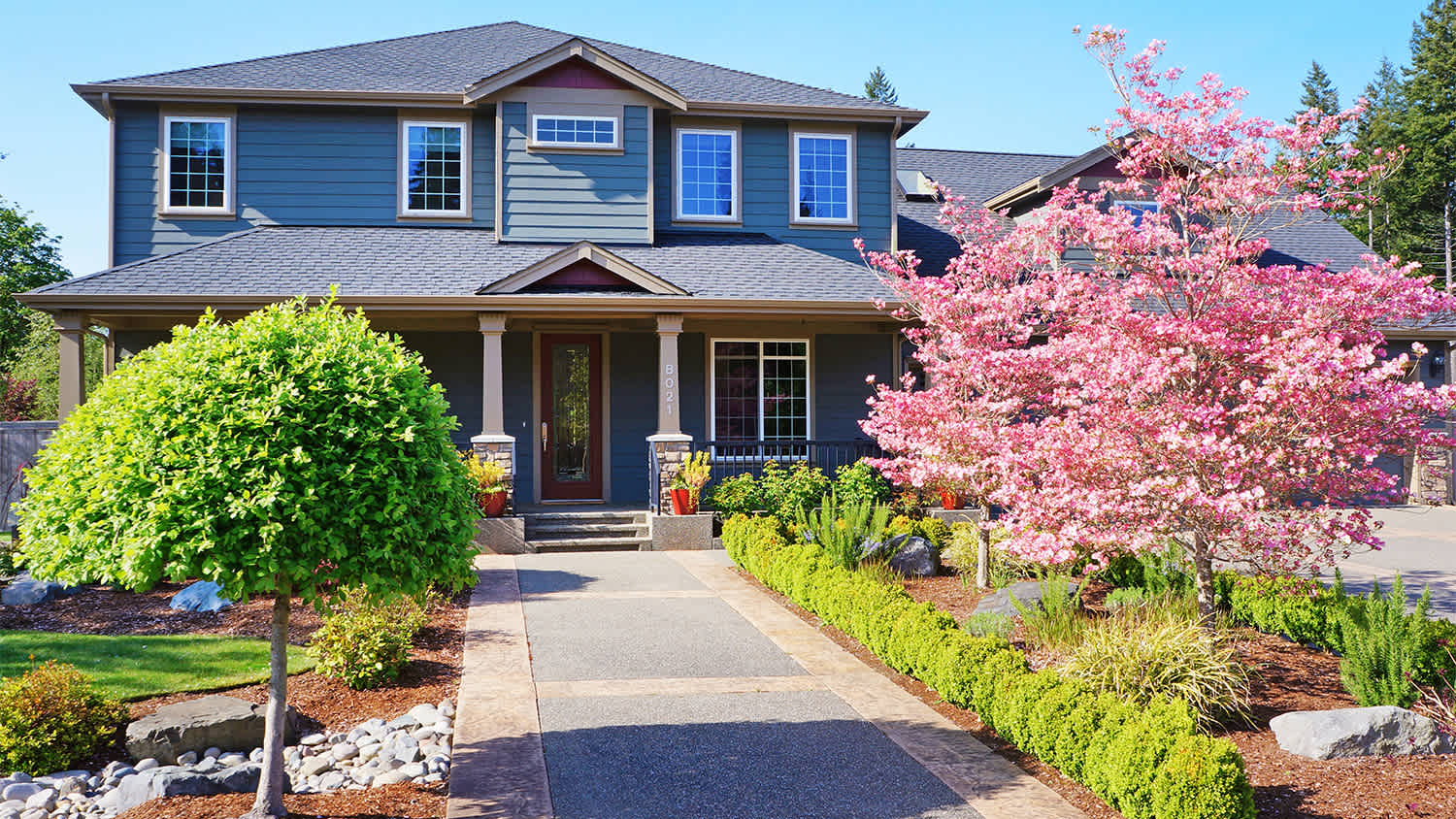
"Mr. Gourley explained what needed to be done and how he would do the concrete project (driveway area extension, breeze way walk, sidewalks & landscape borders, along with how much it would cost). He did exactly what was to be done and more to make it turn out great. He committed and communicate with me over the time, along with fitting my project in to get it done before winter and bad weather delays. Gourley’s staff works hard and great together with a feeling of family. He put faith back in some contractors for me with his efforts and abilities. I will recommend him to all my friends family and coworkers. Professional in a family way."
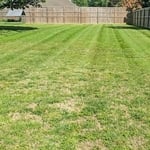
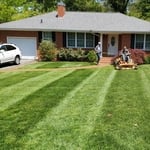
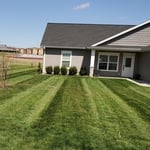
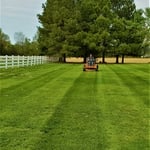
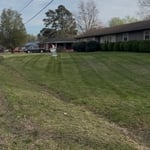
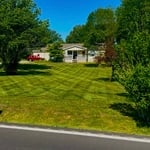
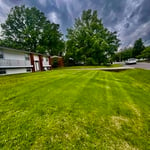
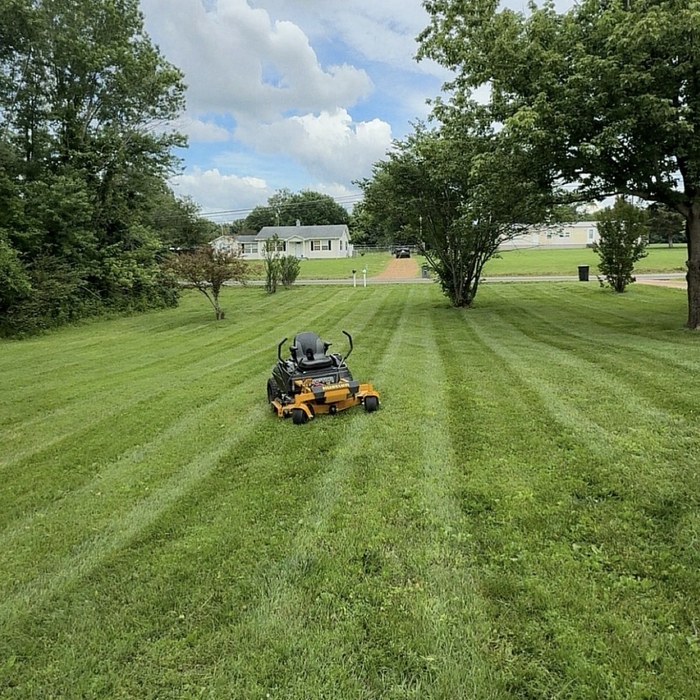
"I’m very happy with the job they did on my yard! They were professional, friendly, and did a great job mowing and cleaning everything up. My yard looks neat and well taken care of. I would definitely recommend them to anyone looking for someone dependable and who takes pride in their work!"
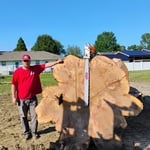
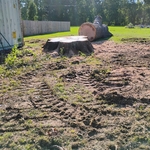
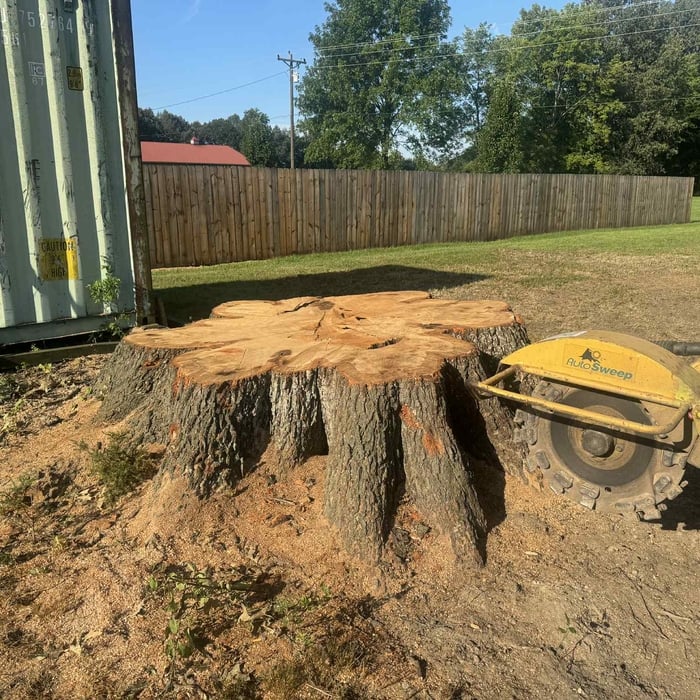
"Needed a ton of trees and overgrown bushes removed around our farm and property. Tanner did an excellent job cleaning everything up and making our property look good and spacious again!"
"If you as a customer have any comments, questions, or concerns about this business they will personally fix the issue. I recommend there service because of the quality and overall performance completed."
"I couldn't be happier with Freshline mowing. He is very quick to get back to you with answers to your questions. The price is very reasonable. He always makes it a point to check if you are happy with the lawn care service that is provided. I highly recommend them."
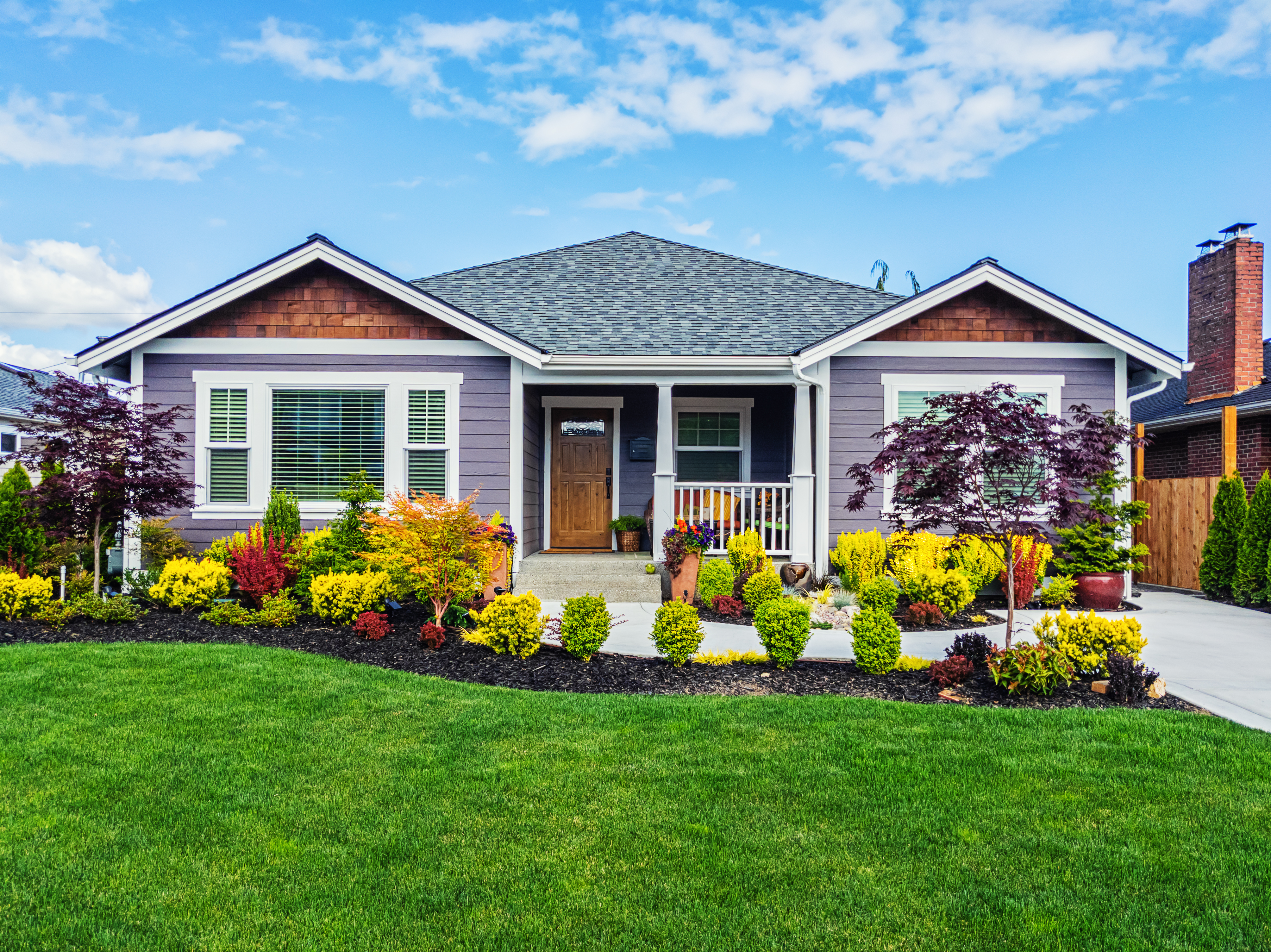
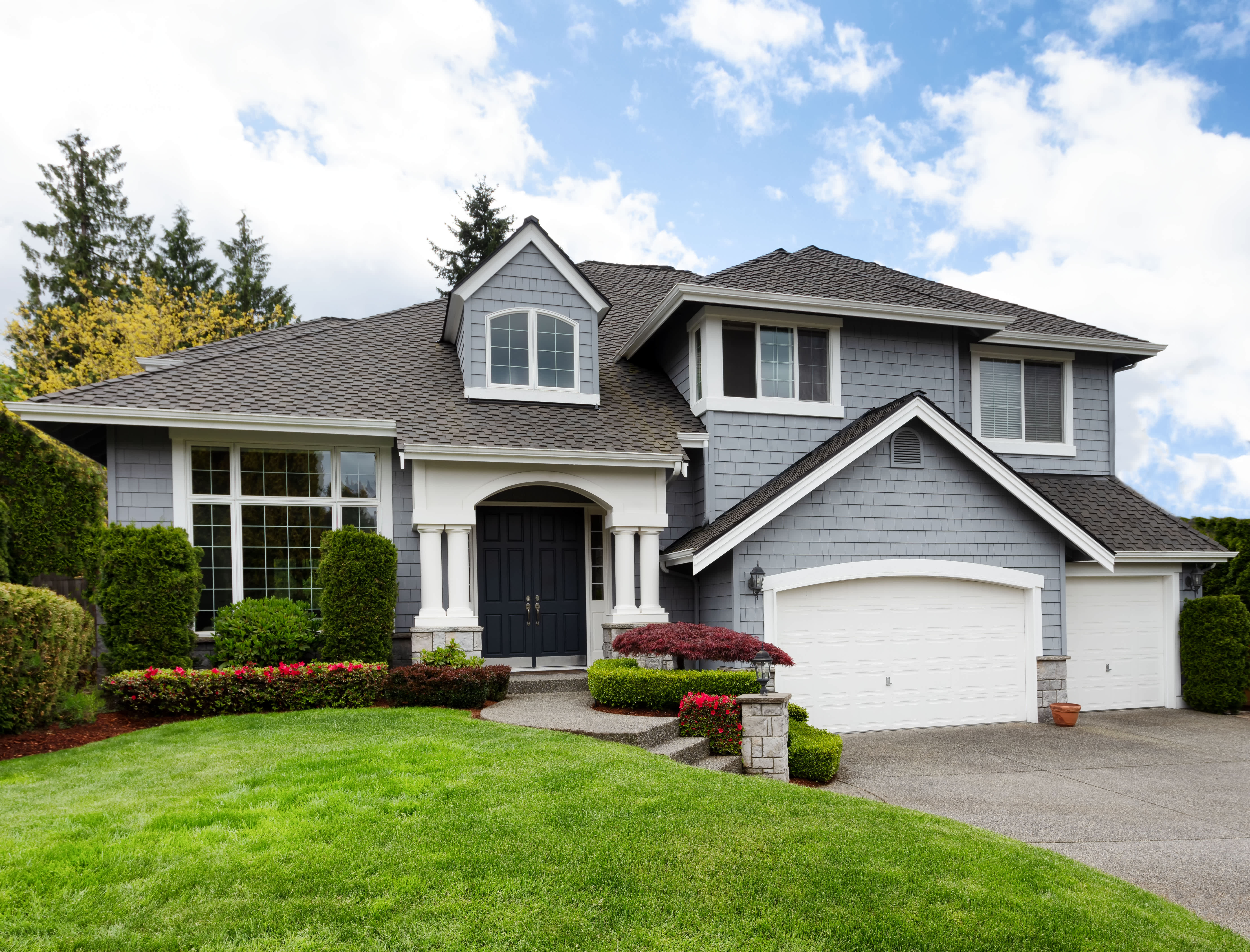
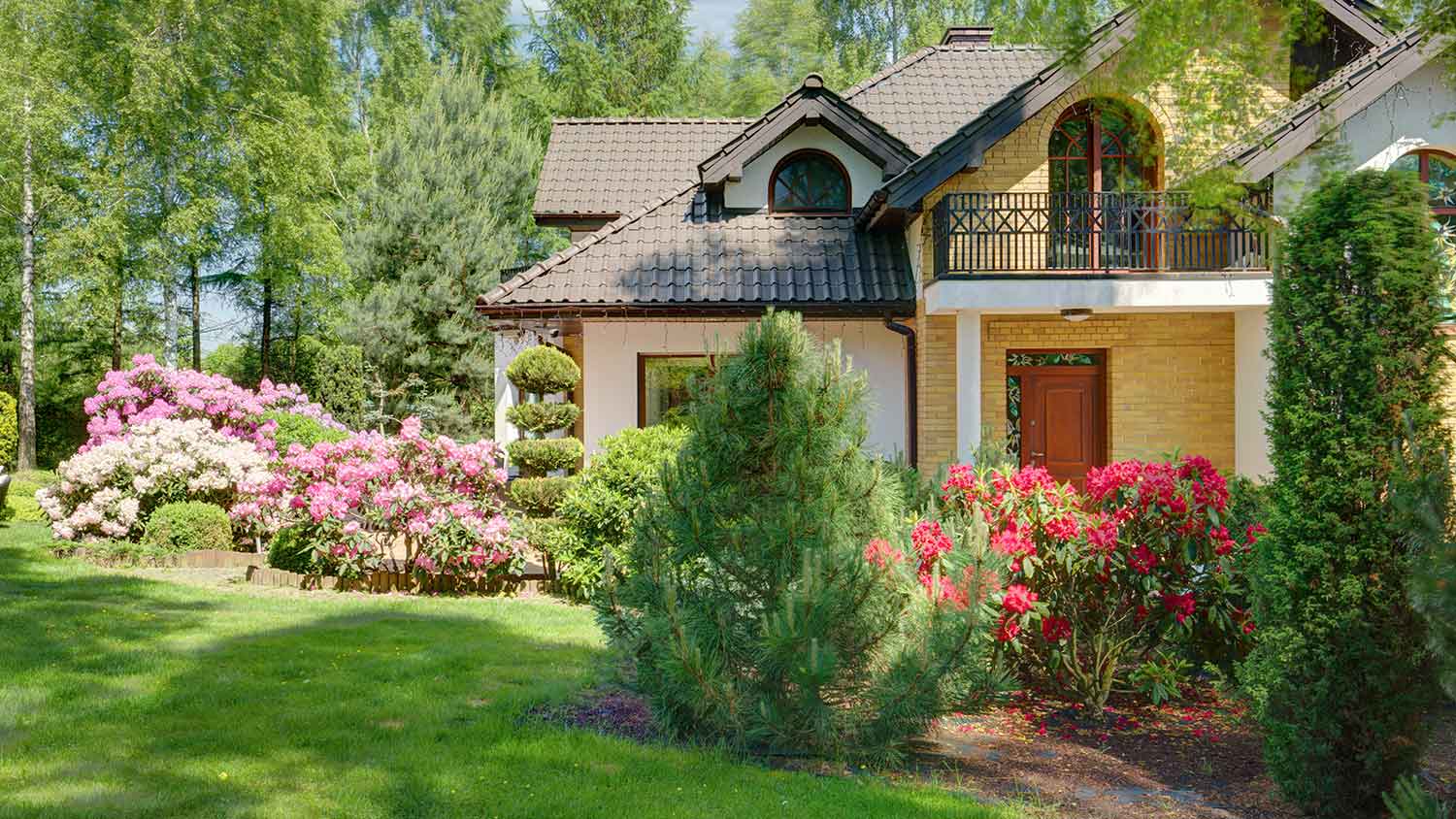
Yes, backyard landscaping and total-home landscaping add value to your home. According to the American Society of Landscape Architects (ASLA), high-quality landscape design has a 20 to 30 percent return on investment. So, when it comes time to sell your home, having a beautiful backyard landscaping oasis will increase your home’s value.
Plant privet hedges at least 1 foot apart in a trench about 2 feet wide and 2 feet deep. It’s important to space privet hedges relatively far apart due to how quickly they grow to significant sizes and heights. You don’t want to crowd privet plants, or they could overcrowd each other, causing unwanted damage.
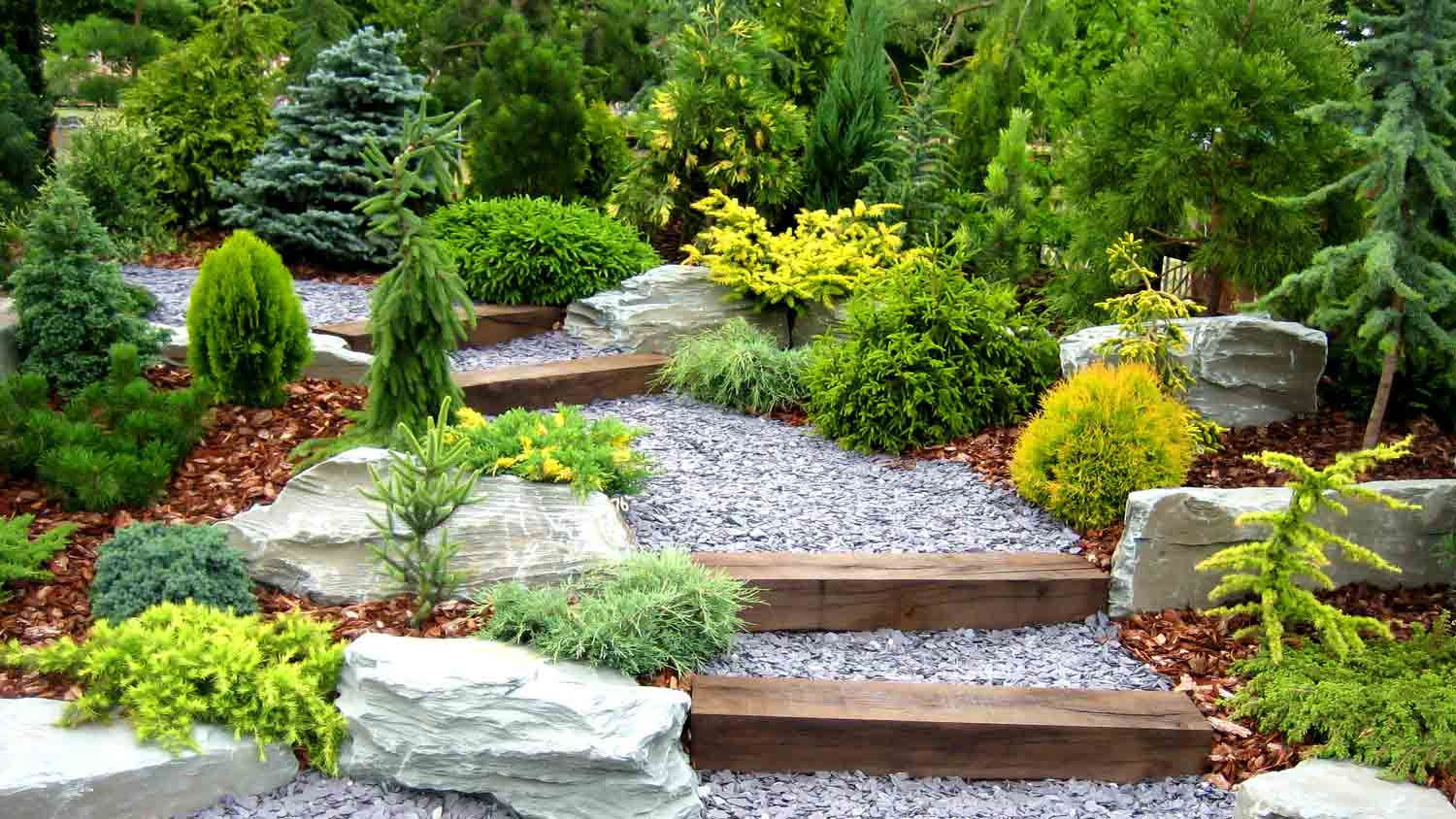
Yes, rock gardens do need water. That said, they typically require less regular watering and, instead, more occasional, deep watering since the rocks trap moisture for longer than mulch. Make sure you don’t water your rock garden too much during the winter.
How much 4 yards of dirt will cover depends on how deep you want the soil to be. In general, a yard of dirt will cover 324 square feet for a 1-inch depth or 100 square feet for a 3-inch depth. Therefore, you can expect 4 yards to cover between 400 and 1,296 square feet if you keep your soil depth between 1 and 3 inches.
The best type of rock for landscaping depends on your specific project and needs, as different rocks are suited for different applications. For covering large areas or creating an affordable driveway, consider gravel, but note that it can wash away in flowing water. For water features, river rocks are a good option. Flagstone and cobblestone are ideal for aesthetically pleasing patios and walkways. If you are building a stone wall, fieldstone or small boulders are up to the task. Large boulders and landscape rocks work well as statement pieces, to fill empty space, or to indicate boundaries, but be mindful that they can overwhelm smaller gardens. The best approach is to first define your landscaping project and then select the rock type that best fits that purpose.
The Massac, KY homeowners’ guide to landscaping services
From average costs to expert advice, get all the answers you need to get your job done.
A landscape designer can elevate your outdoor space and bring your vision to life. Use this landscape design cost guide to budget for your next project.
You've heard of landscape designers and landscape architects, but what's the difference? Here's when to hire each pro to bring new life to your landscape.