



Top-rated excavation pros.

Get matched with top excavation pros in Junction City, KY

Enter your zip and get matched with up to 5 pros

Need a pro for your excavation project in Junction City, KY?

Select your specific project to find the pro for you.

TRUSTED BY JUNCTION CITY, KY HOMEOWNERS

  • Average homeowner rating star icon4.3
    Average homeowner rating
  • Verified reviews icon12
    Verified excavation services reviews

Find Excavation pros in Junction City

Avatar for Goch Quality Construction, LLC
Goch Quality Construction, LLC
5.0(
14
)
Building Site - Preparation and ClearingBuilding Site - Preparation and Clearing - For Business

Serving Junction City, KY and surrounding areas

Approved

Super Service Award Winner

In business since 2025

Free estimates

Emergency services offered

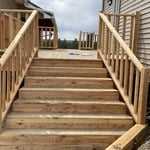
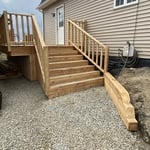
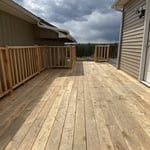
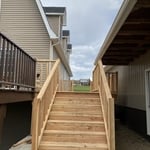
"Dylan, John and Aiden were friendly, but professional. The quote for the project was very reasonable and they finished in a timely manner. They always let me know in advance when they would arrive. Even though it was a smaller project (new steps and railings from my screened in back deck to the yard), they treated it with the same care as a larger construction. They made appropriate suggestions and answered any questions I had. I would use Goch Construction again and will recommend them to friends and neighbors."
Response time10 hrs
Response rate90%
37 neighbors recently requested a quote
Avatar for Thickett-B-Gone
Thickett-B-Gone
5.0(
10
)
Building Site - Preparation and Clearing

Serving Junction City, KY and surrounding areas

Approved

In business since 2023

Free estimates

Credit card accepted

"Ron and his team did a very good job removing the trees, and they even cleaned our gutters out for us- no extra charge! I would DEFINITELY recommend these pros. 5 stars!"
Response time4 hrs
Response rate96%
15 neighbors recently requested a quote
...
Showing 1-10 of 72
Excavating questions, answered by experts

You can dig 60 to 80 linear feet by hand per day depending on the depth. Digging a 100-foot trench by hand will take you two work days, but it can take longer if you have heavy or rocky soil. If you’re digging a deep trench or one that’s over 100 feet, consider renting a mechanical trencher, such as a walk-behind or ride-on, or calling a pro for help. 

To drill a shallow well, you may be able to use a drive well point. This is a tapered point that is driven into the ground. A drill bit at the end of PVC pipe may be another option to consider. A lot of the cost depends on what tools are available near you.

Sewer lines can be buried anywhere from 18 inches to 8 feet deep, with a common average depth between 18 and 30 inches. The exact depth depends on local factors like climate and soil type. In colder regions, pipes must be buried deeper (below the frost line) to prevent freezing, sometimes as deep as 8 feet. The digging depth can also impact the cost of sewer line replacement. To find the specific depth for your property, you can check the building plans for your system, which should be on file with your city or local sanitation department since permits are required for installation.

There are several methods to hollow out a tree stump, and the best one depends on your tools, experience, and priorities. Common methods include using a chisel and hammer, a chainsaw, or burning.

  • Chisel and Hammer: This is often considered the easiest approach for those with limited tools or experience, though it is the most time-consuming.

  • Chainsaw: Using a chainsaw is the fastest method, but it comes with significant safety risks, especially for inexperienced users.

  • Burning: This can be an effective method, but it is not recommended unless you can first drill holes into the stump. Without holes, the stump will be difficult to light and may not burn completely through.

A power drill with at least a ⅜-inch diameter bit can make the job quicker and easier, regardless of the primary method. While you can use a chisel or chainsaw without a drill, it will require more time and effort. Always wear protective goggles and thick gloves, as splinters are an inevitable risk.

You do not have to dig footers for a deck as long as it meets local code and holds up to weather in your area. If you live somewhere that experiences high winds and earthquakes, you may need to dig for your deck posts. Deck blocks, post anchors with base plates, and helical pile systems are the three no-dig deck post options you can choose from if local code permits.

The Junction City, KY homeowners’ guide to excavation services

From average costs to expert advice, get all the answers you need to get your job done.