






Top-rated generator install pros.

Get matched with top generator install pros in Hazard, KY

Enter your zip and get matched with up to 5 pros

Need a pro for your generator install project in Hazard, KY?

Select your specific project to find the pro for you.

Find Generator install pros in Hazard

Avatar for Rebuilders
Rebuilders
4.5(
2
)
Fixed Generator - InstallFixed Generator - RepairGenerator - Install+4 more

Serving Hazard, KY and surrounding areas

In business since 1993

Emergency services offered

Credit card accepted

"Judd and his team are responsive and reliable. We are very pleased with the quality of work as well as the time needed to finish the job. Their online portal and punctuality are added bonuses that separates them from other area providers. We will definitely hire them again."
Mountaineer Field-house
After restoration of this charming bungalow!
Mountaineer Field-house

+13

Recommended by100%of homeowners
Slone's Electrical
New to Angi
Portable Generator - Repair

Serving Hazard, KY and surrounding areas

In business since 2020

Free estimates

Slone's Electrical is committed to excellence in every aspect of our business. We uphold a standard of integrity bound by fairness, honesty and personal responsibility. Our distinction is the quality of service we bring to our customers. Accurate knowledge of our trade, combined with ability, is what makes us true professionals. Above all, we are watchful of our customers' interests and make their concerns the basis of our business.

Generator Install questions, answered by experts

If you’re deciding between a solar battery versus a generator for the best backup power solution, you can take a few factors into consideration. Solar batteries are quiet while generators can be quite loud. Generators have a lower up-front cost, but they require fuel and ongoing maintenance while solar batteries are more expensive but don’t have many ongoing costs.

No, you should never plug a generator directly into a wall outlet in your house. This practice is extremely dangerous, often illegal, and can cause "back-feeding," where power from the generator flows back into utility lines, creating a life-threatening hazard for utility workers. It can also damage your home's electrical system, including appliances like pumps and HVAC fans. If the main power is restored while the generator is connected, it can destroy the generator and cause an electrical fire. To safely connect a generator, you must use a professionally installed transfer switch or an interlocking kit, which prevents back-feeding by disconnecting your home from the utility grid before the generator provides power.

The cost to install a whole-house generator averages $5,200, with a typical price range of $1,500 to $8,900. However, total costs can vary from $400 for a small portable unit to over $18,000 for a large-capacity system. The most significant cost factor is the generator's size and capacity, but other variables include the brand, fuel type, and labor for assembly and installation.

Generator costs can be broken down by type:

  • Portable or Emergency Backup Generators (1kW–7.5kW): $500 to $2,000

  • Partial-Home Generators (9kW–20kW): $2,000 to $6,500

  • Whole-House Generators (22kW–48kW): $5,000 to $18,000

To avoid paying for more power than you need, consider hiring an electrician to calculate the electrical load for your essential appliances. It is also recommended to get at least three quotes to find the best deal for your specific needs and budget.

Here’s what you can run with different wattages and types of generators:

Portable generator:

  • 2,000 watts can handle a large appliance like a freezer or refrigerator, plus a few smaller items like phones or computer chargers. 

  • 4,000 watts will keep two large appliances operating and a few smaller devices.

  • 8,000 watts should power most essential appliances and other devices, including a sump pump, well pump, or your dishwasher.

Partial to whole-house generator:

  • 20,000 watts and above will make it seem like your home’s power is still on.

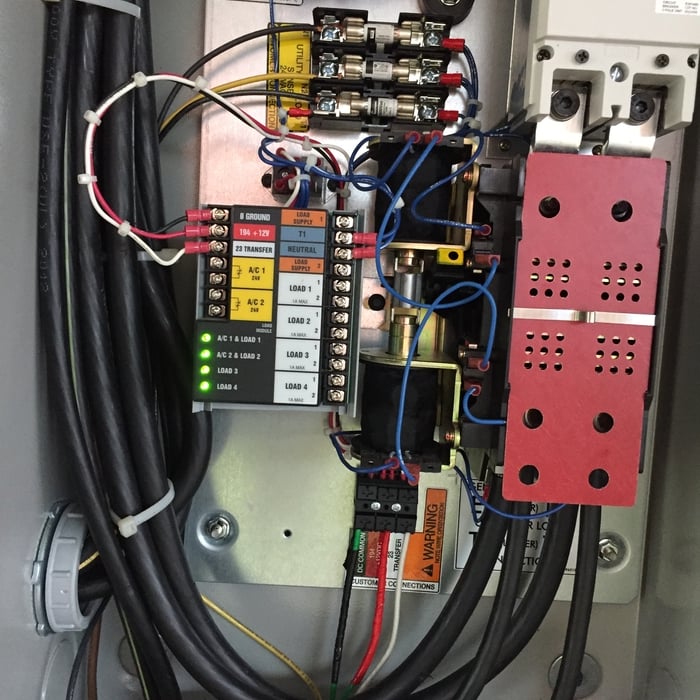
Yes, natural gas generators can work without electricity. Natural gas generators are a common type of backup or whole-house generator that operates when the electrical grid isn’t working. The trick is using a transfer switch (which usually needs to be installed with the generator) that safely switches the home electrical system from the power grid to generator power when needed.

The Hazard, KY homeowners’ guide to generator installs

From average costs to expert advice, get all the answers you need to get your job done.