



Top-rated septic tank pros.

Best septic tank pros near Fulton, KY

Enter your zip and get matched with up to 5 pros

Need a pro for your septic tank service project in Fulton, KY?

Select your specific project to find the pro for you.

Top-Rated Septic tank pros in Fulton - Updated Nov 2026

Brent Allen Septech
5.0(
3
)
Septic System - Install or Replace

Serving Fulton, KY and surrounding areas

In business since 1987

We are a locally owned and operated company that values honesty and integrity and treats your home as if it were our own. We have over 35 years of experience to give you confidence that we are your number one choice for your next home project. You will find us to be competitively priced with close attention to the details. We look forward to building a lasting relationship and guarantee your satisfaction!

Response time1 day
Response rate96%
Recommended by100%of homeowners

Avatar for Taylor Contractors
Taylor Contractors
4.6(
7
)
Septic System - Install or ReplaceSeptic System - Install or Replace - For BusinessSeptic System - Repair+3 more

Serving Fulton, KY and surrounding areas

In business since 2021

Free estimates

Emergency services offered

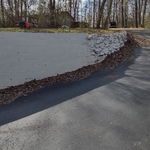
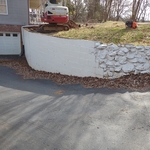
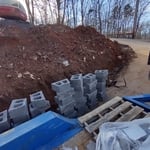
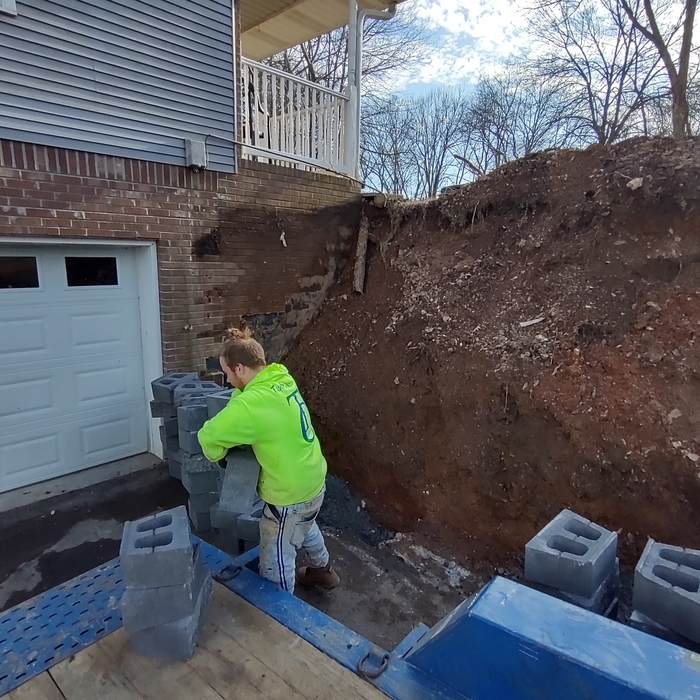
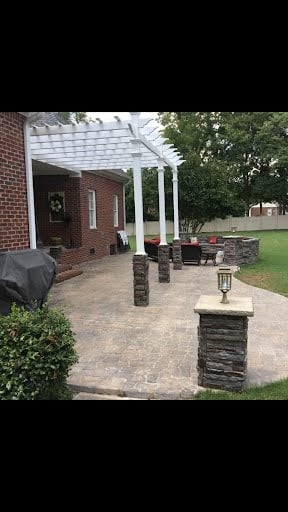
We offer full service excavation, land and lot clearing, septic system install and repair, french drains, trench drains, storm drains, site work, driveway installation, demolition, pond digging, basement digging, retainer wall installation and more. With over 20 years of experience and a keen eye for detail, we offer top of the line services with unmatched quality at a fair price. Allow us to make suggestions or to simply make your vision become a reality.

Before
Retaining Wall
Before
Retaining Wall
Retaining Wall

+17

Recommended by85%of homeowners
Avatar for American Home Shield – Home Warranty
American Home Shield – Home Warranty
3.5(
5,689
)
Septic System - Install or ReplaceSeptic System - Install or Replace - For BusinessSeptic System - Repair+3 more

Serving Fulton, KY and surrounding areas

In business since 1971

Credit card accepted

"The technician emptied the freezer, which was in the basement, to work on the part that needed repair. Then he neglected to put anything back into the freezer, including a turkey I had bought for Christmas and a rack of ribs. Two days after he left, I went out of town for two weeks. The turkey actually exploded and spewed its liquid all over everything, which had to be discarded. I let AHS know and they couldn't even bother to call me or follow up on this. I'm considering not renewing my contract with them because of the quality (or lack thereof) of many of the providers they send."
Additional Photos
Additional Photos
Additional Photos
Additional Photos
Additional Photos

+2

Recommended by65%of homeowners
Septic Tanks FAQs, answered by experts

Most shallow residential wells are somewhere between 25 and 50 feet deep. They are among the simplest well systems. Deeper wells usually involve drilling to a much greater depth. Water wells for household use are typically 100 to 500 feet deep, depending on local groundwater conditions. Some may be up to 1,000 feet deep or more. 

The size of your septic tank plays a role in determining the proper size of the drain or leach field. As a general rule, you should have 1 square foot of drain field size per gallon of septic tank capacity. However, you could install a leach field that’s as much as 2.5 square feet per gallon of septic tank capacity. Most professionals determine the right septic tank size and drain field size by the number of bedrooms in the house. A three-bedroom house needs a minimum 1,000-gallon septic tank, for example.

Although cesspits may be necessary depending on your main sewage system access or nearby soil quality, they carry a few drawbacks. Cesspools require regular emptying and have relatively high maintenance and pumping costs. Certain areas also disallow the use of cesspools and may require you to cover the cost of existing cesspools to be converted into septic tanks.

Drilled wells have a pipe sticking up that’s covered in a plastic or metal casing. On the other hand, a dug well will look like a big hole in the ground and is more similar to what you’d see in a fantasy or Western movie. If you want to be sure, contact the city for documentation on your property’s construction and excavation history. 

A mound septic system, when properly maintained, can last between 20 and 25 years on average—though some last longer or malfunction sooner than that. The most important part of maintenance is getting an annual inspection of the vital parts of the system to ensure they’re in proper working order and not too backed up with sewage.

The Fulton, KY homeowners’ guide to septic tank services

From average costs to expert advice, get all the answers you need to get your job done.