We are a locally owned and operated company that values honesty and integrity and treats your home as if it were our own. We have over 35 years of experience to give you confidence that we are your number one choice for your next home project. You will find us to be competitively priced with close attention to the details. We look forward to building a lasting relationship and guarantee your satisfaction!
"I just pay $75 you never know who's going to come out. They do everything electrical. Just about everything is covered except the septic tank. I had an air conditioner replaced. It went great, all I had to do was pay for the freon. He didn't charge e more than what was needed."
I pride myself on my professionalism, as well as my ability to complete
\nevery job to the homeowner's total satisfaction. I never leave a job
\nunfinished, or a homeowner not 100% satisfied with my level of service -
\n Call today!
French drains, sump pumps, and exterior waterproofing systems are common options. Choose one that best suits your property’s needs.
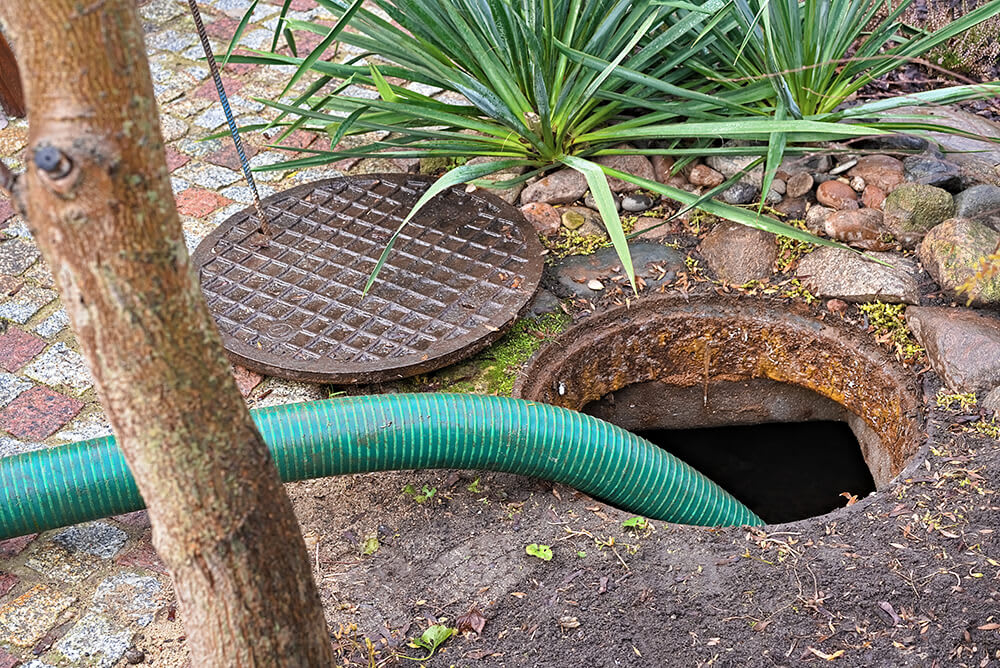
It only takes a few days for a septic tank to fill with water after a pro has pumped it. This is completely normal, and the water is a vital part of your septic system’s wastewater treatment process. The water that fills your tank days after pumping is not the same as the tank being filled with waste. You shouldn’t have to pump your septic system more than once every three to five years unless you have a tank that’s too small for your home’s water output or there’s a problem with your leach field.
Mound systems can fail if foreign objects are flushed into the septic tank, the septic tank is backed up with solid waste (sludge), if wastewater floods or seeps from the mound, or if any part of the system is clogged. To prevent this, only flush toilet paper and your normal “business” down toilets, and get a septic inspection at least yearly.
The pressure in a well pressure tank should be set 2 to 3 PSI below the pump's cut-on pressure. The cut-on pressure is the lower number in the pressure setting (e.g., the '30' in 30/50 PSI) and is the point at which the pump starts. The cut-out pressure is the higher number, where the pump stops.
For example:
If your pressure switch is set to 30/50 PSI, the tank pressure should be 27-28 PSI.
If your pressure switch is set to 40/60 PSI, the tank pressure should be 38 PSI.
Common pressure settings for household applications include 20/40, 30/50, and 40/60 PSI. The difference between the cut-on and cut-out pressure is typically 20 PSI.
To determine the right size for your submersible well pump, find your well depth, water demand, and well casing diameter. The pump should match your well's specifications and meet or exceed your drawdown and pressure requirements.
For precise sizing, make sure to research the different well pump sizes, consult the manufacturer's recommendations, or seek guidance from a professional well pump installer.
The Clinton, KY homeowners’ guide to septic tank services
From average costs to expert advice, get all the answers you need to get your job done.
Caring for your septic system is crucial to ensuring its long life. But how much does it cost to pump a septic tank? We explore the different cost factors.
A damaged septic system can leak odors and sewage, so repairs are urgent. Find out how much septic tank repair costs based on repair type, tank size, and more.
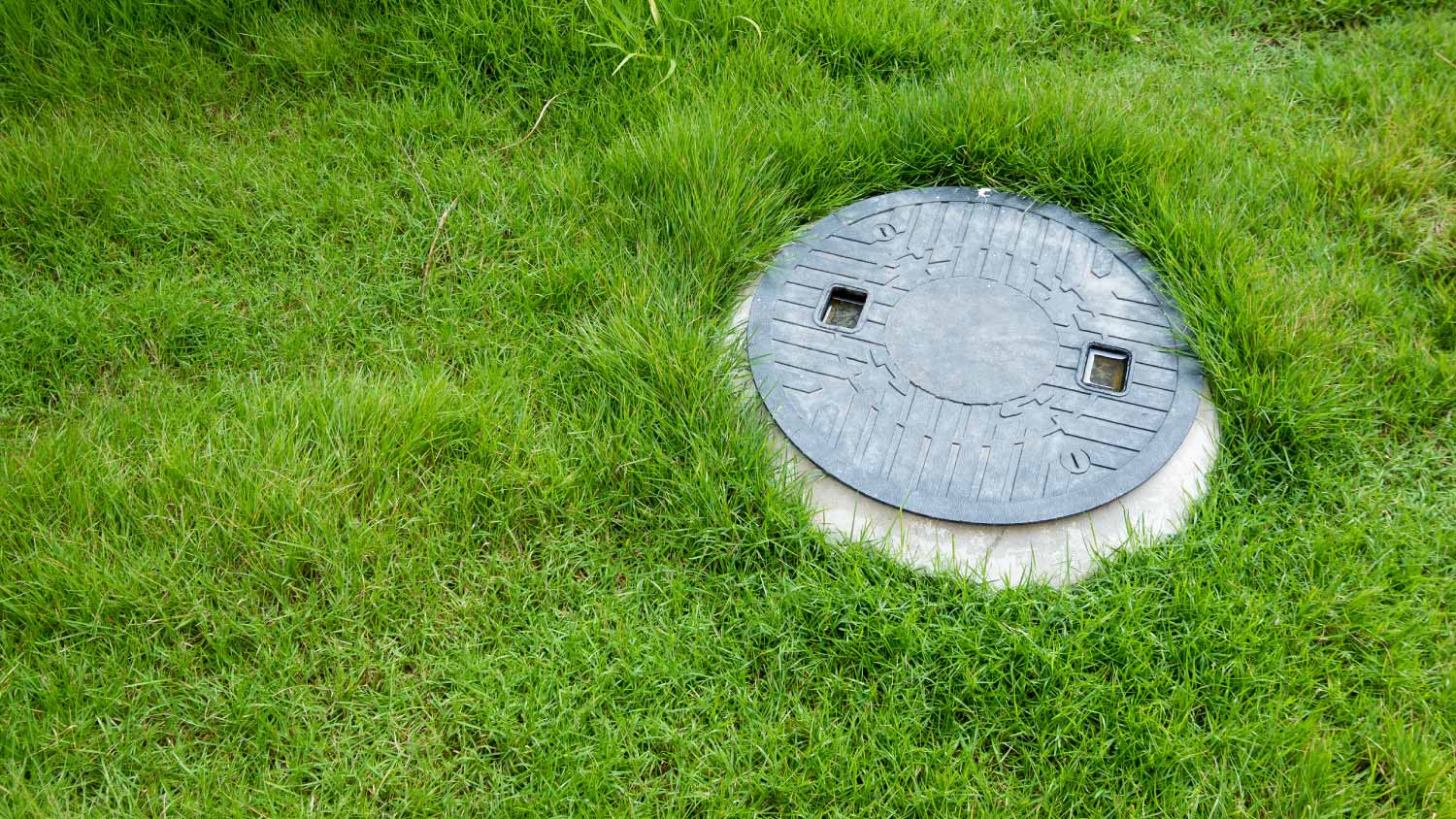
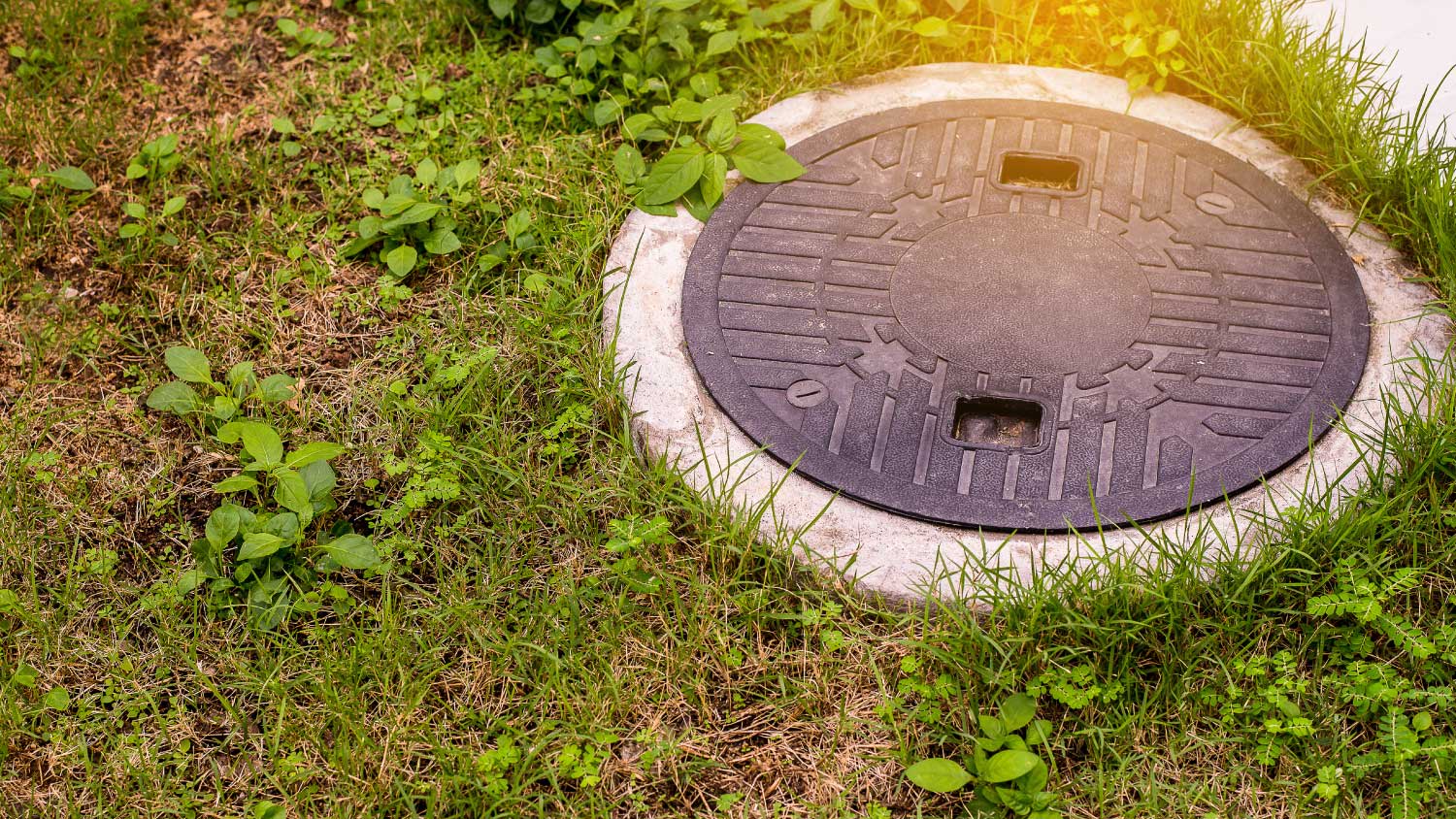
Septic tank risers make it easy to access your septic tank when it’s time for routine inspection, maintenance, and pumping, saving you precious time and labor costs.
Septic tank sizes vary depending on the size of your home, how many people live there, how much water you use, and more. Read on to learn how to determine the right size for you.