


Top-rated plaster repair specialists.

Get matched with top plaster repair specialists in Cunningham, KY

Enter your zip and get matched with up to 5 pros

Need a pro for your plaster repair project in Cunningham, KY?

Select your specific project to find the pro for you.

Find Plaster repair specialists in Cunningham

Avatar for Perkins And Sons Drywall
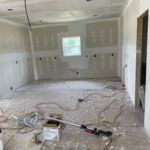
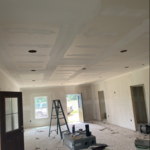
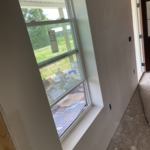
Perkins And Sons Drywall
3.4(
9
)

Serving Cunningham, KY and surrounding areas

In business since 2021

Free estimates

Small jobs welcome

"they did the interior repairs of a leaking roof of mine, the plaster work and paint was completed in a timely manner with no imperfections. couldnà ¢à  à  t have been happier with their work"
Drywall Install
Drywall Install
Drywall Install
Drywall Install
Drywall Install

+4

Response time1 day
Response rate94%
Recommended by80%of homeowners
Mid South Painting
New to Angi

Serving Cunningham, KY and surrounding areas

In business since 1992

Free estimates

Small jobs welcome

We're a locally owned and operated company with 30+ years of industry experience. We value honesty and integrity, and stand behind our work. We specialize in both interior and exterior residential and commercial painting projects. We pride ourselves on the quality of our work as well as our commitment to outstanding results. We look forward to building long-term relationships with our clients and guarantee your satisfaction!\n\n

Response time9 hrs
Kingins Drywall - Facebook
New to Angi

Serving Cunningham, KY and surrounding areas

In business since 2018

Free estimates

Credit card accepted

Kingins Drywall is committed to excellence in every aspect of our business. We uphold a standard of integrity bound by fairness, honesty, and personal responsibility. Our distinction is the quality of service we bring to our customers. Accurate knowledge of our trade combined with ability is what makes us true professionals. Above all, we are watchful of our customers' interests and make their concerns the basis of our business.

Showing 1-10 of 16
Plaster Repair questions, answered by experts

Although they have similar applications, spackle and joint compound are not the same. Their primary differences lie in their composition, consistency, and ideal use cases.

Spackle is composed of gypsum and binding agents, making it thicker than joint compound. It dries quickly and is easy to sand, which makes it ideal for small wall repair projects like filling nail holes or patching minor damage.

Joint compound, also known as drywall mud, consists of limestone and gypsum. It is primarily used for large-scale projects, such as taping and finishing the seams on newly installed drywall. It tends to shrink more than spackle and can be more difficult to spread.

While both products can be used to fill small depressions and cracks, spackle cannot replace joint compound for taping and mudding new drywall. Conversely, you can often use joint compound for small patching jobs typically done with spackle.

Plaster ceilings can sag for several reasons. In some cases, the plaster and other building materials shift and come apart over time, which is why you’ll commonly find drooping plaster ceilings in older homes. Improper installation, foot traffic, and water damage—often from a leaky roof or a broken pipe—can also cause plaster ceilings to sag.

Common causes include water leaks, settling, and impact. Address underlying issues to prevent recurring damage.

Your walls are likely cracking due to fluctuations in the temperature outside. Drywall tends to expand and contract when temperatures and humidity levels change, and this repeated movement can lead to cracks in your walls, particularly around door frames. If you have multiple diagonal cracks, you may want to have your foundation inspected, as cracks can also be a sign of a bigger issue.

Plastering and skimming are two different techniques for finishing walls. Plastering involves applying a thick layer of a plaster mixture—typically containing gypsum, lime, cement, sand, and water—to create a new surface. This process often requires multiple coats and is used for repairing significant damage or creating decorative textures. Skimming, on the other hand, is a technique that involves applying a thin layer of drywall compound or joint compound over an existing surface to smooth it out, covering minor imperfections, small cracks, or uneven textures for a polished look. Plastering is generally more costly and labor-intensive than skimming. Although some people use the terms interchangeably, they refer to different processes and materials.

The Cunningham, KY homeowners’ guide to plaster repairs

From average costs to expert advice, get all the answers you need to get your job done.