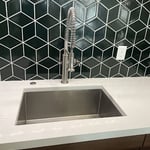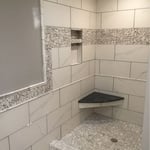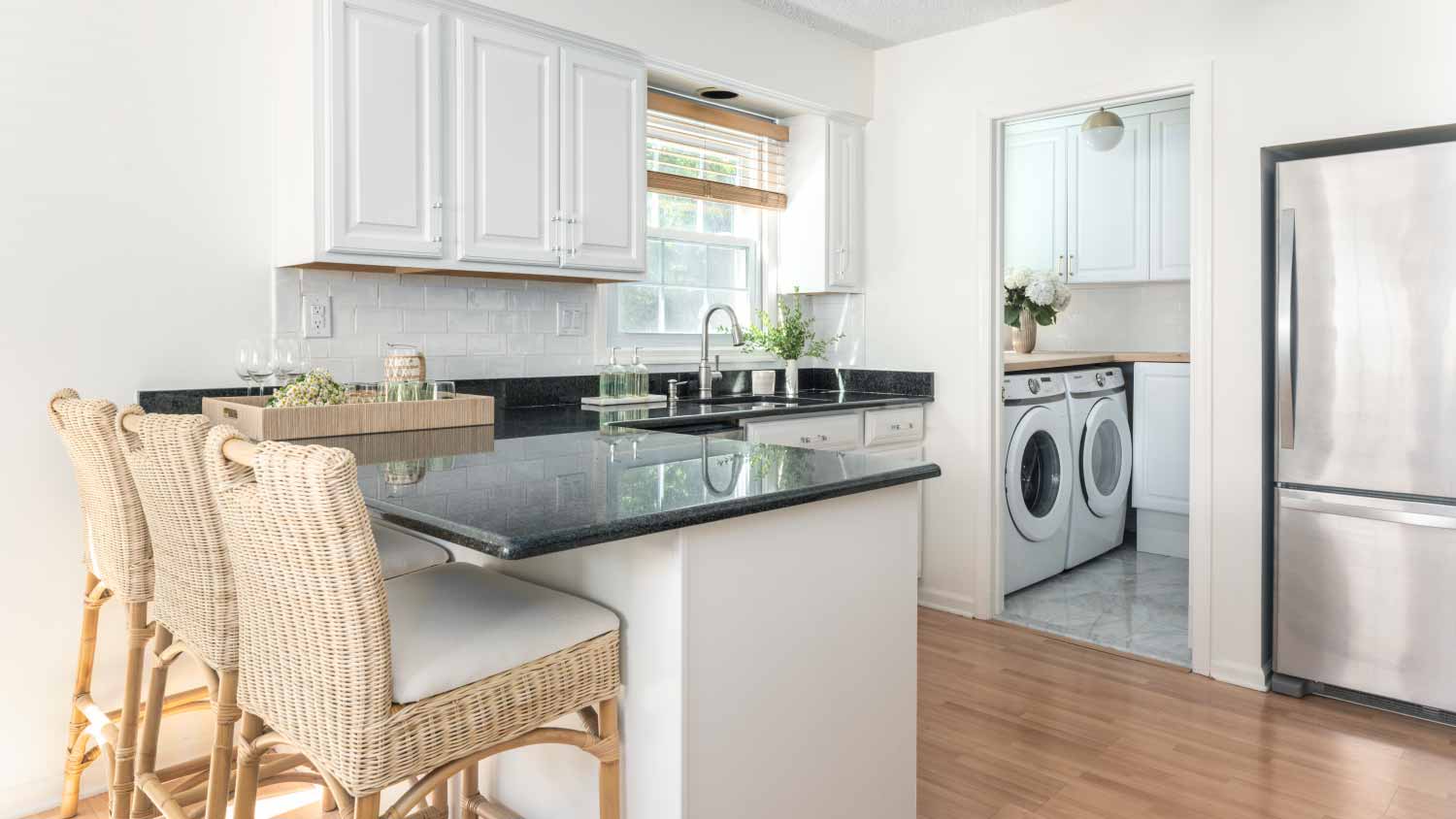





Top-rated backsplash installation pros.

Get matched with top backsplash installation pros in Olpe, KS

Enter your zip and get matched with up to 5 pros

Need a pro for your backsplash installation project in Olpe, KS?

Select your specific project to find the pro for you.

Find Backsplash installation pros in Olpe

Avatar for Birk Flooring
Birk Flooring
New to Angi
Tile: Ceramic and Porcelain - InstallTile: Ceramic and Porcelain - Install - For BusinessTile: Natural Stone (Granite, Marble, Slate, Quartz, etc) - Install+1 more

Serving Olpe, KS and surrounding areas

In business since 2001

Free estimates

Small jobs welcome

With 20+ years experience Birk Flooring is a local family owned and operated company that values honesty, integrity, and treats your home as if it were our own. You will find us to be competitively priced, while still paying close attention to the details of each and every project that we are involved with. We look forward to building lasting relationships, and guarantee your satisfaction. Give us a call today to get your project started!

Response time2 days
Showing 1-10 of 18
Backsplash Installation questions, answered by experts

On average, tiling a bathroom involves about 12 hours of labor, usually spread over two to three days to accommodate prep work and curing times. A professional tiler can often complete the installation in 6 to 8 hours, whereas a DIYer might take 10 to 16 hours. The total project time is influenced by factors like the bathroom layout, tile type, and necessary prep work, such as removing old tile. The process includes specific timelines for different areas; for example, tiling a floor takes about six hours, while a shower area can take six to ten hours. It is essential to allow for adequate curing time—typically 24 hours each—for the mortar, grout, and caulk, which is why the project extends over several days.

It’s best to start with tiling the shower floor before moving on to the walls for the most visually-pleasing results. When taking on any tiling project, you’ll want the wall tiles to “sit” neatly on the floor tiles rather than overlapping them. Finishing your floor tiles first will allow you to place your wall tiles without any gaps, holes, or awkward intersections.

The tile trim you use will depend on a few factors, including design preferences, budget, and whether the project is DIY or not. You might choose plastic trim if you want an easier DIY job that is more budget-friendly. There are also more color options available in plastic. On the other hand, you might choose metal to match your fixtures or for areas with heavy use.

You can attach tiles to a wall using thin-set mortar. You’ll also need a notched trowel to create grooves within the adhesive so it flattens completely when pressed in and securely holds the wall tiles. Finally, you’ll need grout to smooth the gaps between the tiles and, ideally, a grout sealer to prevent mold. While it sounds simple enough, proper planning and execution are crucial, so carefully review the steps in this guide or hire a pro tile installer to complete this project.

Mortar and thinset both serve the same purpose—tile adhesion—but have different compositions and use-cases. Thinset is heatproof and presents a wide range of possibilities due to the added polymers. Mortar is typically used for bonding stones and brick. Thinset is rarely used outside, while mortar is rarely used inside.

The Olpe, KS homeowners’ guide to backsplash installation services

From average costs to expert advice, get all the answers you need to get your job done.