


Top-rated tree service pros.

Get matched with top tree service pros in Howard, KS

Enter your zip and get matched with up to 5 pros

Need a pro for your tree service project in Howard, KS?

Select your specific project to find the pro for you.

Find Tree service pros in Howard

Avatar for K&K Tree Service
K&K Tree Service
4.5(
6
)

Serving Howard, KS and surrounding areas

In business since 2016

Free estimates

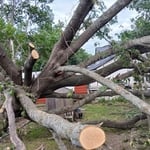
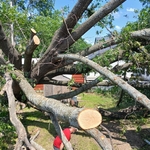
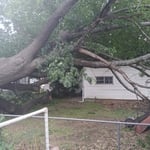
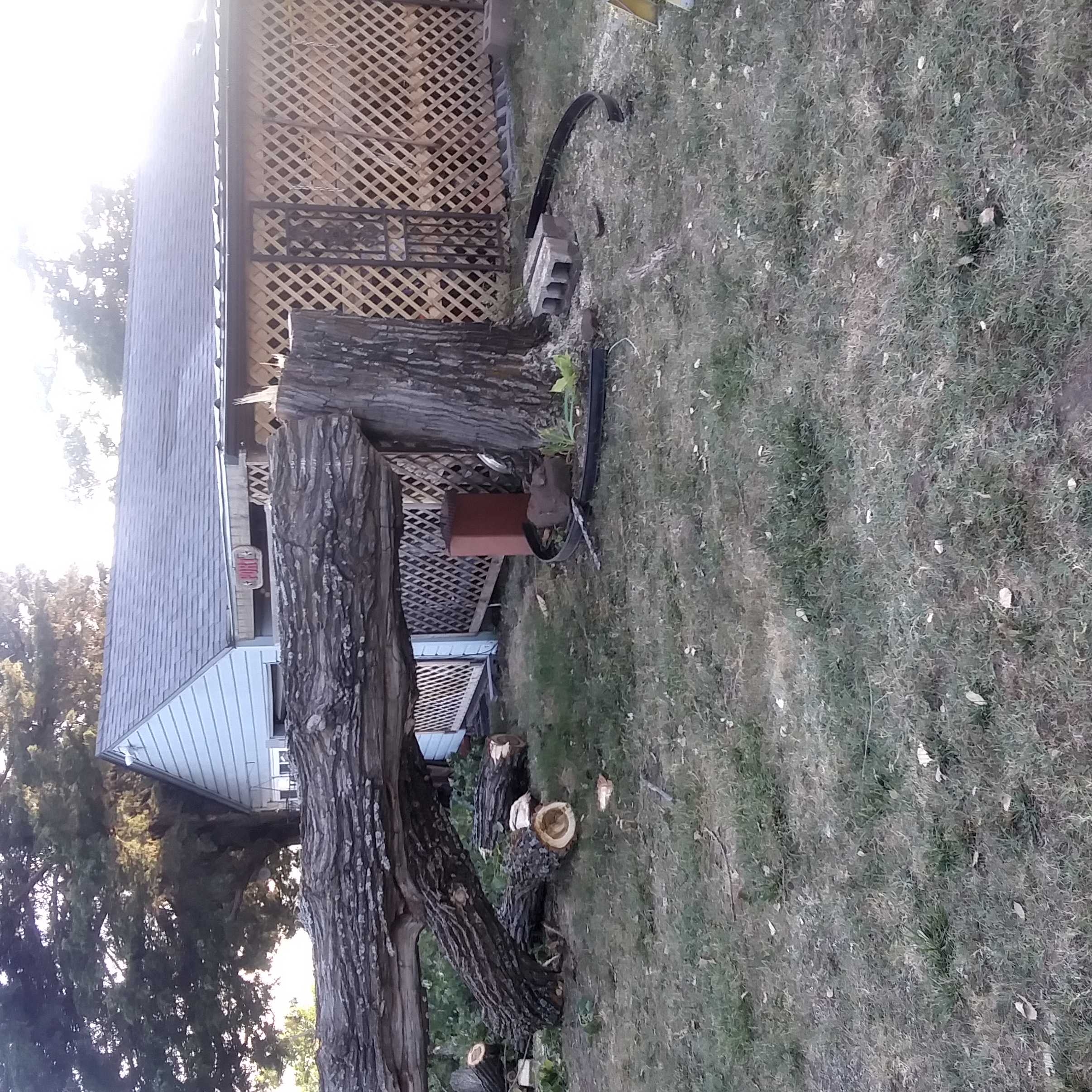
"Some service was performed. I was quoted for two trees at a total of $500. They took care of the one that was on our house. But they said they would be back to pick up the stump and to finish the other tree. that was about Three weeks ago."
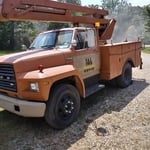
Additional Photos
Additional Photos
Recommended by83%of homeowners
O'Hara Tree Service
New to Angi

Serving Howard, KS and surrounding areas

In business since 2017

Free estimates

Offers commercial services

O'Hara Tree Service is committed to excellence in every aspect of our business. We uphold a standard of integrity bound by fairness, honesty and personal responsibility. Our distinction is the quality of service we bring to our customers. Accurate knowledge of our trade combined with ability is what makes us true professionals. Above all, we are watchful of our customers interests, and make their concerns the basis of our business.

Tyler Morgan's Tree Trimming Services
New to Angi

Serving Howard, KS and surrounding areas

In business since 2008

Free estimates

Credit card accepted

Tyler Morgan's Tree Trimming Services is a locally owned and operated company that values honesty and integrity and treats your property with respect and care. We offer tree trimming and removal services that are customizable to the needs of the home owner. We pride ourselves on the quality of our work as well as our commitment to outstanding results and look forward to building lasting relationships with each of our clients and guarantee your satisfaction!

Showing 1-10 of 21
Tree Service questions, answered by experts

There are several methods to hollow out a tree stump, and the best one depends on your tools, experience, and priorities. Common methods include using a chisel and hammer, a chainsaw, or burning.

  • Chisel and Hammer: This is often considered the easiest approach for those with limited tools or experience, though it is the most time-consuming.

  • Chainsaw: Using a chainsaw is the fastest method, but it comes with significant safety risks, especially for inexperienced users.

  • Burning: This can be an effective method, but it is not recommended unless you can first drill holes into the stump. Without holes, the stump will be difficult to light and may not burn completely through.

A power drill with at least a ⅜-inch diameter bit can make the job quicker and easier, regardless of the primary method. While you can use a chisel or chainsaw without a drill, it will require more time and effort. Always wear protective goggles and thick gloves, as splinters are an inevitable risk.

Some people prefer to leave or even carve a leftover stump, but we recommend removing it if possible. You can often dig out smaller trunks with a shovel once they have died and dried out. You can have stumps professionally removed, or request a service to grind them down to ground level so they can be replaced with other landscaping or objects.

While it’s best to have access to large, healthy, strong trees in a safe position, treehouse living is still possible without them. Contractors can fit tree posts to build the structure onto or use posts as additional support alongside the trees themselves. If you’re in doubt about the suitability of the trees on your land, consult with a local treehouse builder before you start the project.

The best time to prune Japanese flowering cherry trees depends on where you live and the type of flowering cherry tree. Some trees benefit from being pruned toward the end of winter or early spring, after the last freeze. Meanwhile, other trees do well after blooming, in late spring or early summer. Avoid pruning your flowering cherry tree in the early winter, as this encourages open wounds that can lead to infections or infestations. 

You should avoid cutting off the top of mature cherry trees. This process is called tree topping, and it’s not recommended for cherry trees—or any trees, for that matter. Tree topping removes between one-third to half of the length of the tree trunk, resulting in structurally unsound, fruitless suckers. The only exception is for saplings. Young pie, sour, and tart cherry trees that are over 30 inches tall in the fall or winter before the tree blooms can benefit from heading cuts.

The Howard, KS homeowners’ guide to tree services

From average costs to expert advice, get all the answers you need to get your job done.