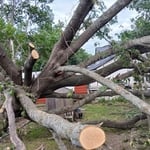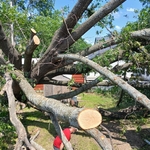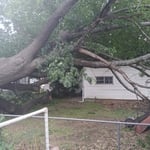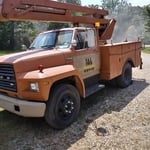







Top-rated arborists.

Get matched with top arborists in Howard, KS

Enter your zip and get matched with up to 5 pros

Need a pro for your arboricultural service project in Howard, KS?

Select your specific project to find the pro for you.

Find Arborists in Howard

Avatar for Cut and Clear Tree
Cut and Clear Tree
New to Angi

Serving Howard, KS and surrounding areas

In business since 2015

Free estimates

Offers commercial services

We pride our company on reliability, great communication, integrity and quality work. We are experts in our Tree Removal and Trimming and will do our best to keep you as educated as we can on your particular task or project. We look forward to working with you.

Showing 1-10 of 21
Arborists questions, answered by experts

Whether tree roots will continue to grow after a tree has been cut down depends on the species. Some tree roots will eventually die because they can no longer get nutrients through photosynthesis. However, other species that reproduce through root sprouts can continue to grow and produce new sprouts for seven years or more. For example, the roots of elms, ficus, and willows tend to regrow aggressively, while the roots of pines, oaks, and maples will typically die. To determine if a root system is still active, look for new sprouts on the old trunk, stump, or any exposed roots.

Hiring an arborist costs around $900 on average, with prices ranging from $250 to $2,500 or more. Some arborists charge an hourly rate, typically between $100 and $350 per hour. The final cost depends on several factors, including the type of work, the number of trees, accessibility, and whether you hire an independent arborist or a larger tree service company. When hiring, you should also consider their experience and insurance coverage.

Below are some estimated costs for common arborist jobs:

  • Small tree removal: $300 to $500

  • Large tree removal: $500 to $2,000 or more

  • Tree health assessment: $150

  • Trimming a small tree: $75 to $200

  • Trimming a large tree: $150 to $400

  • Dealing with invasive species: $150 to $1,000 or more

It can be bad to leave a dead stump in the ground. A stump becomes a hefty piece of dead wood in time and eventually (especially with the help of rain) starts to rot. That makes it a locus point for diseases and pesky insects, as well as a bit of an eyesore. It’s best to remove a tree stump completely before it starts to decay, especially before it starts to fall apart. If the tree was removed because of disease, it’s even more important to fully remove the stump if possible.

Late winter is ideal, but if you’re pruning apple trees in the spring, prune them as early as possible in the season. You want to ensure your tree is just creeping out of dormancy and hasn’t started pushing out new growth. If you prune your tree too late into spring, you generally won’t see results until the following year.

That said, there’s no pruning season for unhealthy growth. Remove dead, dying, or diseased branches as soon as you notice them, regardless of the time of year.

A tree branch should start to form roots in about three months. It can take about a year for a tree branch to develop roots strong enough to go in the ground. For best results, start several branches because, no matter how closely you follow instructions, they won’t all form roots. Compost any that aren’t thriving.

The Howard, KS homeowners’ guide to arboricultural services

From average costs to expert advice, get all the answers you need to get your job done.