






Top-rated tree service pros.

Get matched with top tree service pros in Enterprise, KS

Enter your zip and get matched with up to 5 pros

Need a pro for your tree service project in Enterprise, KS?

Select your specific project to find the pro for you.

TRUSTED BY ENTERPRISE, KS HOMEOWNERS

  • Average homeowner rating star icon4.2
    Average homeowner rating
  • Verified reviews icon10
    Verified tree services reviews

Find Tree service pros in Enterprise

Avatar for Jack's Stump Be Gone
Jack's Stump Be Gone
New to Angi

Serving Enterprise, KS and surrounding areas

Approved

In business since 2022

Free estimates

Offers commercial services

Jacks Stump Be Gone is committed to excellence in every aspect of our business. We uphold a standard of integrity bound by fairness, honesty, and personal responsibility. Our distinction is the quality of service we bring to our customers. Accurate knowledge of our trade combined with ability is what makes us true professionals. Above all, we are watchful of our customers' interests and make their concerns the basis of our business.

Response time2 days
Avatar for Lakeside Construction, LLC
Lakeside Construction, LLC
5.0(
2
)

Serving Enterprise, KS and surrounding areas

In business since 2021

Free estimates

Credit card accepted

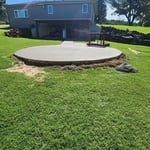
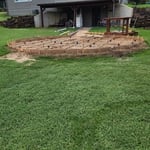
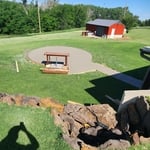
"Jeff and his entire team knocked out our large back patio in no time. The completed work is best in class. If you are looking for a trustworthy company to do some dirt work or concrete work, look no further because Lakeside Construction is the best."
Recommended by100%of homeowners
Showing 1-10 of 32
Tree Service questions, answered by experts

Rock salt or Epsom salt can damage and kill tree roots over several weeks and can even assist in removing the tree's stump. However, you need to drill holes or cut into the stump and surface tree roots to inject them properly with the salt. Repeat the process every two weeks until the roots visibly rot away.

Using vinegar to kill tree roots is just one of the clever ways to use vinegar around the house. The method works best when you apply vinegar as directly to the root system as possible. For example, if the old tree roots and stump are currently exposed, drill holes in the tops of the roots and pour undiluted white vinegar into the holes to soak into the plant. Remember that vinegar can kill the surrounding grass and plants should it pour over the edge.

It is possible to cut down a tree on your property yourself, but it is generally not recommended unless specific conditions are met. You should only consider this project if the tree is small (e.g., under 4-5 inches in diameter and short enough that you don't need a ladder to reach the branches), and you are experienced in handling a chainsaw. The tree must also be located far from any power lines, fences, homes, or other structures. Even for small trees, the work can be dangerous, and it's always advisable to have a spotter to ensure the tree falls correctly and no branches fall on you.

For any tree that is large, requires a ladder to access, or is near electrical lines or structures, you should always hire a professional. Attempting to remove a large tree yourself is extremely dangerous, poses a risk of serious injury, and could result in significant damage to your property.

Before any tree removal, it's also important to check your local and state regulations to ensure the tree is not historic or otherwise protected by your city.

If you’re wondering whether you can plant a tree where the stump was removed, know that the soil conditions won’t be ideal, so you should avoid it. The soil beneath the previous tree will likely be depleted of nutrients, plus there may be roots left behind that will seriously hinder the growth of a new tree. Also, if you use salt or other chemical solutions to kill the stump, these can linger in the soil for months or even years and prevent healthy growth. It’s best to choose a different spot that’s at least three feet away for a new tree, or wait at least a year and thoroughly amend the soil before you plant.

There are many signs that a tree is diseased or dying, and if you suspect that’s the case, you should call an arborist immediately. You might notice rot or fungus on the trunk or that the tree is beginning to lean to one side. Brittle branches or signs of root damage are other indicators that a tree is in trouble. If the tree is dying, it might be time to cut the tree down so it doesn’t fall.

The Enterprise, KS homeowners’ guide to tree services

From average costs to expert advice, get all the answers you need to get your job done.